
Lotes Nelson, Clark D. Ausloos, Kirsis A. Dipre
This special issue of The Professional Counselor (TPC) celebrates the enduring legacy of the NBCC Foundation’s Minority Fellowship Program (MFP) and the remarkable contributions of its Fellows to the counseling profession. Guided by the overarching theme Bridging Gaps, Building Futures, this issue reflects how MFP scholars continue to advance equity, belonging, and healing across diverse communities through research, practice, and advocacy. Each article in this collection represents both an individual and collective commitment to closing the gap between awareness and action, transforming knowledge into meaningful and sustainable change. Building upon this collective vision, the selected works in this special issue are organized around two interwoven subthemes: Threads of Transformation and Scholarship as Bridgework. Together, these sections illuminate the dynamic ways in which counselors, counselor educators, and researchers are bridging identity, belonging, and access while advancing scholarship that heals, connects, and transforms. Collectively, these themes invite readers to consider how transformation and bridgework function as inseparable elements of professional identity—threads woven through practice, teaching, and research. In this spirit, the articles in this issue form a tapestry of insight and inspiration, reminding us that meaningful change emerges through the ongoing continuum of reflection, action, and connection that lies at the heart of the counseling profession.
Threads of Transformation
This first theme, Threads of Transformation, captures how MFP Fellows weave identity, belonging, and access into their research, teaching, and clinical practice. Across schools, families, and communities, these scholars actively transform systems of care into more inclusive, culturally responsive, and healing-centered practices. Their work reflects the commitment of MFP Fellows to bridge awareness with action and to ensure that nondominant populations are supported in spaces that have too often excluded them, including within helping professions. The studies that comprise this theme speak to the transformative power of belonging, connection, celebrating cultural identity, and fostering resilience and growth across generations and communities.
In “A Pilot Study Examining Xinachtli: A Gender-Based Culturally Responsive Group Curriculum for Chicana, Latina, and Indigenous Secondary Students,” Vanessa Placeres and colleagues explore how culturally grounded interventions can serve as restorative spaces for Chicana, Latina, and Indigenous (CLI) youth. Guided by a healing-informed and gender-responsive framework, Xinachtli—meaning “germinating seed” in Nahuatl—nurtures identity development, life skills, and a sense of belonging among middle and high school students. The study’s preliminary outcomes underscore the feasibility of implementing culturally responsive group counseling within K–12 schools and affirm the importance of integrating feminist traditions in CLI youth development.
In “Parenting Across Racial Lines: The Lived Experiences of Transracially Adoptive Parents of Black Children,” Charmaine Conner and Natalya Lindo explore transformation within the family system itself. Using a transcendental phenomenological approach grounded in the Cultural-Racial Identity Model, the authors explore how White parents raising Black children navigate cultural humility, trauma, and identity development. Participants’ reflections reveal both the challenges of transracial parenting and the transformative potential of intentional cultural socialization, advocacy, and learning. Through their process of “becoming,” these parents model transformation through love, humility, and accountability.
In “See the Girl: Girls’ Perceptions of Listening and Helpfulness in a Relational–Cultural Theory Grounded School-Based Counseling Program,” Ne’Shaun Borden and colleagues extend this theme by centering the lived experiences of African American girls in elementary school. Drawing on years of program data from See the Girl: In Elementary, findings reveal that authentic presence, empathy, and support were key to the girls’ sense of being heard and valued. Through the lens of Relational–Cultural Theory, this study reminds us that relational connection is itself a pathway to belonging and healing.
In “‘Deep in the Hollers’: LGBTQ+ Narratives of Addiction and Recovery in Appalachia,” Jacob Perkins and Harley Locklear amplify voices from rural queer communities navigating addiction and recovery. Through narrative inquiry, Perkins captures stories of resilience, chosen family, and the reimagining of wellness amid systemic and cultural marginalization. Participants’ narratives illuminate how isolation, stigma, and restrictive norms around identity and substance use intersect in rural regions. The article also demonstrates that recovery can emerge from solidarity and creative redefinitions of care. By positioning queer Appalachian experiences as central rather than peripheral, this work transforms dominant understandings of addiction recovery and challenges counselors to consider how regional identity, sexuality, and belonging intersect within the healing process.
Scholarship as Bridgework
The second theme, Scholarship as Bridgework, highlights how each article contributes to collective equity and healing in our profession, inviting us to center those in the margins and amplify their voices through our privileged positions as counselors, educators, supervisors and scholars.
In “Associations Between Coping and Suicide Risk Among Emerging Adults of Asian Descent,” Afroze Shaikh and colleagues use research as a tool to bridge the lack of knowledge and amplify the invisible fight with suicidality among emerging adults of Asian descent. Grounded in the Interpersonal Theory of Suicide, this quantitative study examines the associations between coping orientations (e.g., problem-focused, emotion-focused, and avoidant) and strategies (e.g., gratitude, self-compassion, and search for meaning in life) and suicide risk (e.g., perceived burdensomeness and thwarted belongingness). The findings underscore the importance of culturally responsive coping interventions as bridges toward understanding and addressing suicide risk factors, urging us to center and uplift the voices of those made invisible by dominant societal norms and expectations.
Finally, Shadin Atiyeh examines the challenges and strategies employed by counselor educators in training students to work effectively with refugee populations in “Preparing Counseling Students to Work With Refugees: A Descriptive Analysis.” Utilizing a qualitative descriptive analysis, Atiyeh has identified several barriers to effective training in CACREP-accredited master’s programs across the United States. These include (a) perceived limited relevance of the topic, (b) time constraints within courses, and (c) the complexity of addressing refugee issues. The findings call us to embrace our collective responsibility to re-envision the counseling curriculum and implement creative, forward-thinking teaching practices that transcend institutional barriers, ensuring that students are well prepared to address the distinctive mental health needs of refugee populations.
Conclusion
Collectively, MFP Fellows demonstrate that culturally responsive practice is an active reimagining of what it means to belong, to heal, and to thrive. The Threads of Transformation woven throughout these studies remind us that when counselors and educators engage with identity and belonging as foundations of wellness, they reshape the systems that define who is seen, valued, and supported in our profession. Through the lens of Scholarship as Bridgework, these articles extend that vision by building bridges between knowledge, practice, and purpose. Our shared purpose is to prepare future counselors with the knowledge and skills to support marginalized and underserved communities while integrating equity-focused content across counseling curricula to promote social justice and collective healing. As you explore this special issue, we invite you to reflect on how these perspectives can inspire your own practice, teaching, and advocacy. What bridges can you build to move from awareness to action, and how can your work contribute to the elimination of mental health disparities? Our hope is that this collection not only informs but also inspires continued commitment to equity, belonging, and transformation within the counseling profession. Together, these works remind us that by bridging gaps and building worlds, we collectively transform the future of counseling.
_________________________________________________________________________________________________________________
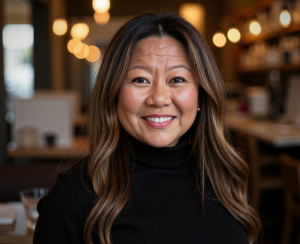 Lotes Nelson (she/her/siya), PhD, NCC, ACS, LCMHC-S, is an associate professor in the counselor education and supervision program at the University of the Cumberlands and was proud to be a 2015 Mental Health Counseling Doctoral Fellow with the NBCCF Minority Fellowship Program. She remains deeply connected to the NBCC Foundation as a mentor, scholarship reviewer, journal guest co-editor, and contributor to Foundation initiatives, and she is honored to continue giving back to the program that shaped her. Dr. Nelson is co-editor of Multicultural Counseling: Responding with Cultural Humility, Empathy, & Advocacy and brings a strong commitment to uplifting marginalized and underserved communities through culturally responsive counseling, social justice advocacy, and leadership development. Her work focuses on counselor resilience, identity formation, and preparing future counselors and counselor educators to lead with equity, compassion, and purpose.
 Clark D. Ausloos (he/him), PhD, NCC, LPC, LPCC, LSC, is an assistant professor in the counseling department at Oakland University, an NBCCF MFP Alumnus (2019 Mental Health Counseling Doctoral Fellow), and Past- Chairperson of the NBCCF MFP Advisory Council. His research interests center on supporting nondominant populations, particularly queer and trans youth, and enhancing cultural responsivity in counselor education preparation. Dr. Ausloos has authored numerous peer-reviewed manuscripts and delivered extensive conference presentations. He serves in multiple professional leadership roles, including as President-Elect of the Society for Sexual, Affectional, Intersex, and Gender Expansive Identities (SAIGE), in addition to maintaining an active clinical practice serving clients in Ohio and Michigan.
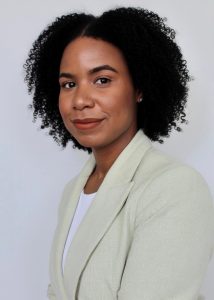 Kirsis A. Dipre (she/her/ella), PhD, NCC, LPC (IL), is an assistant professor in the counselor education department at Northeastern Illinois University and a licensed professional counselor. Dr. Dipre is dedicated to supporting the development and training of culturally responsive counselors while providing mental health services to underserved populations, centering advocacy and social justice throughout the process. Her scholarly, teaching, service, mentoring, and supervisory work is collectively aimed at increasing access to mental health care, challenging structural barriers within and outside the counseling profession, and creating healing spaces that honor the intersections each of us inhabits. Grounded in liberation-focused and culturally affirming practices, Dr. Dipre’s work amplifies the voices and experiences of racialized and systemically excluded communities, particularly Latine immigrants and Afro-Latine individuals and families. Dr. Dipre was a 2020 Mental Health Counseling Doctoral Fellow with the NBCCF Minority Fellowship Program and is currently serving a second term as an Advisory Council member for the MFP–CMHC program.