Jul 17, 2015 | Book Reviews
 Counseling is as much an art as it is a science. Effective practitioners continuously evaluate their approach to providing ethical and efficacious mental health care. Moreover, effectual practitioners keep abreast of current trends and promising evidenced-based practices to inform their own approach to working with clients. After reviewing this volume, it became clear to me that the author is motivated to continuously improve his work with clients in the tradition of the wise artisan. In this book, John T. Blackledge adds to the literature by sharing his expertise with a useful and accessible clinician’s guide that incorporates cognitive defusion, a way of thinking about thoughts in acceptance and commitment therapy (ACT), into mindfulness-based therapies, as well as a variety of other types of counseling. The chapters are arranged in a thoughtful fashion such that cognitive defusion is defined in chapter 1, and in chapters 1 through 4, the author describes the usefulness of cognitive defusion for different contexts. In chapters 5 through 10, the author provides a detailed description of how to incorporate cognitive defusion in therapy sessions with clients.
The book has many strengths. For example, in Chapter 1 the author describes the history of cognitive defusion and situates the construct in terms of its Buddhist origin. In addition, he describes cognitive defusion’s usefulness in mindfulness-based therapies. Dr. Blackledge also discusses how thoughts can have tremendous influence over a client’s feeling state, with the client’s emotions being fused to those thoughts. The author then introduces techniques that are designed to defuse the client’s emotions from the thoughts, which ultimately lessens client emotional discomfort and leads to positive and measurable therapeutic change.
The author’s central premise—that thoughts in the form of words may not be able to capture the richness of in-the-moment experience—may liberate clients struggling with irrational thinking or cognitive distortions such as negative self-evaluations. The author states that thoughts are not necessarily holistically accurate. One cognitive defusion technique the author describes is teaching the client to conduct a nonjudgmental review of the negative self-talk, as a bystander, which allows the client to defuse from these negative self-evaluations, lessening emotional distress. The author discusses the similarities and differences between these cognitive constructs and techniques and those of Cognitive Behavioral Therapy (CBT). Specifically, CBT posits that thinking changes emotions (i.e., cognitive restructuring), whereas cognitive defusion posits that words and thoughts do not necessarily hold power over emotional change. The author discusses the movement in metacognitive therapy, which emphasizes thinking about and relating to thoughts in different ways. He points out that the change element in metacognitive therapy is for the client to learn to tolerate or sit with problematic thoughts, a construct well researched in dialectical behavior therapy. Another strength of this text is that the author includes many therapist–client dialogues, in the form of transcripts, to allow the reader to see how the author introduces and incorporates the various techniques into therapy sessions with clients.
In addition to its strengths, the book has a couple of limitations. The author provides an excellent review of the literature regarding empirical support for cognitive defusion as a therapeutic technique. I would have preferred this section be introduced earlier in the book, perhaps after the first two chapters. Scholars tend to want to critically review the research and support for the proposed model of therapy prior to delving into the suggested method of applying the model (i.e., the clinician’s guide portion). Additionally, a graphical representation of the different views of thinking in the various therapeutic models (e.g., CBT, ACT) would have facilitated an easier comparison of the important differences.
The author has provided a helpful guide for clinicians at all levels of expertise to learn about and integrate cognitive defusion techniques into their therapeutic practice. Experts have predicted movement toward mindfulness-based therapies in the 21st century, which makes this text a particularly timely and valuable contribution. I recommend this clinician’s guide for any therapist or counselor interested in mindfulness-based counseling.
Blackledge, J. T. (2015). Cognitive defusion in practice: A clinician’s guide to assessing, observing, & supporting change in your client. Oakland, CA: New Harbinger.
Reviewed by: Donald “Rick” Froyd, Jr., NCC, University of Phoenix, Tempe, AZ.
The Professional Counselor
https://tpcwordpress.azurewebsites.net/
Jul 17, 2015 | Book Reviews
Counseling Psychology is a third-edition textbook by Charles J. Gelso, Elizabeth Nutt Williams and Bruce R. Fretz that surveys the field of counseling psychology, emphasizing the blending of the rich traditions of research, clinical practice and theory for which the field is known. As the authors note in their preface, some have “confused counseling, the activity, with counseling psychology, the profession” (Gelso, Nutt Williams, & Fretz, 2014, p. xiii), essentially overlooking counseling psychology’s emphasis on an empirical psychology scientist–practitioner base, a broad range of activities, and unique training and career paths. The authors are prominent counseling psychologists themselves, and continue to elucidate how counseling is related to and part of the many professional activities present in the field of counseling psychology.
What is counseling psychology? Counseling psychology can be defined by the profession’s focus on the scientist–practitioner model, blending what we learn via research and applying it to clinical practice (and vice versa) and incorporating what we know about how people develop and change within their cultural and environmental frameworks. Central values include an emphasis on utilizing people’s strengths and helping them move toward optimal functioning, enhancing life-span development and vocational growth, advocating for social justice and cultivating multicultural awareness, incorporating brief preventive interventions when appropriate, and embracing a scientist–practitioner professional identity and set of skills. Counseling psychologists utilize these values in their work as psychotherapists, researchers, clinical supervisors, educators, consultants, administrators and so forth. Therefore, counseling psychologists are trained as counselors and psychotherapists as well as competent researchers, and their science-based skills and values can be used in myriad roles.
Counseling Psychology provides an overview of this professional field. Part I examines counseling psychology as a profession, focusing on its central values, ethics and history, and explaining how the field overlaps with other fields both within and apart from psychology. Part II expands on the empirical base of the field, with chapters that provide detail on topics such as research methods, vocational theory and research, diversity and social justice, positive psychology, and the process and outcome research that supports the work of counselors and psychotherapists. Part III provides thorough coverage of the practice of counseling psychology. The therapeutic relationship, psychological assessment, major theories of psychotherapy, career theories and interventions, and group and other systems theories and interventions are presented. Part IV provides readers with more information about how they may pursue a career in counseling psychology, with emphasis on graduate school training, job settings and work activities.
Counseling Psychology provides a balance of breadth and depth in the topics covered, successfully presenting readers with a wonderful overview of the field that is appropriately complex and sophisticated. Similar to its previous editions, it also is the only identifiable book written solely about the profession of counseling psychology, as opposed to the numerous books written about parts of the field (e.g., counseling, psychotherapy). These reasons likely contribute to why the text is on the required study reading list in some counseling psychology doctoral graduate programs in preparing doctoral candidates for their comprehensive examinations. The authors discuss multifaceted concepts, dynamics and professional challenges in a clear and concise yet thorough style. However, one weakness of the text is that it cannot provide the same amount of depth as a text that focuses on just one of these many areas (e.g., vocational psychology, research methodology, theories of counseling and psychotherapy). Clearly, a text on theories of counseling and psychotherapy can devote much more space and attention to such a topic.
In conclusion, Counseling Psychology is a highly recommended read. The book is suitable for undergraduate college students in upper level courses, counseling and counseling psychology graduate students, professionals in fields such as counseling and psychology, and anyone who desires to learn more about this rewarding, complex and important professional field.
Gelso, C. J., Williams, E. N., & Fretz, B. R. (2014). Counseling psychology (3rd ed.). Washington, DC: American Psychological Association.
Reviewed by: Courtney E. Gasser, NCC, University of Baltimore, Baltimore, MD.
The Professional Counselor
https://tpcwordpress.azurewebsites.net/
Jul 14, 2015 | Book Reviews
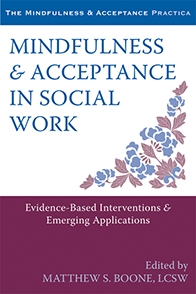 Mindfulness and Acceptance in Social Work: Evidence-Based Interventions and Emerging Applications is a thorough primer for mental health practitioners interested in adopting a more holistic approach to serving their clients while increasing their own self-awareness and growth across the life span. The editor has compiled and coauthored thoughtful essays on a variety of modalities, from behavioral activation to acceptance and commitment therapy, dialectical behavioral therapy to mindfulness-based stress reduction. The evidence-based interventions and emerging applications address the ongoing development of cultural competence, best practices for at-risk children’s groups, and self-regulatory practices that enhance one’s healing presence. Social workers, counselors and therapists who have searched for a deeply humanistic way to apply cognitive interventions will find inspiration in these pages.
Of particular interest to the more spiritually oriented reader will be the exploration of Zen roots in mindfulness practices and how functional contextualism takes on deeper meaning when we consider our shared interdependence. Expanding on our understanding of person-in-environment, an Eastern framework for person-as-environment bridges modern social work with ancient practices for the reduction of suffering, both in oneself and others. Those invested in working toward global well-being will be reignited with encouragement for the ways in which one individual’s healing and expanding realizations can spark necessary changes at the micro, mezzo and macro levels.
The variety of approaches reviewed helpfully represents the “technical eclecticism” required to effectively serve a broad array of clients from a mindfulness perspective, while allowing humanistic practitioners to stay firmly rooted in their theoretical center. The modalities discussed integrate differing levels of emphasis on thought, feeling and behavior, giving the practitioner beginning assessment and treatment tools to adjust for clients’ more evident processing pathways and efforts at wellness. Those who need more concrete structure are likely to respond to behavioral activation or dialectical behavioral therapy, while those who benefit more from insight-oriented, moment-to-moment self-regulation practices may respond more to acceptance and commitment therapy, or mindfulness-based stress reduction.
Since Mindfulness and Acceptance in Social Work is a primer, it does not address the amount of time and training that are necessary to become proficient in facilitating any of these approaches with any given population or clinical concern. Mental health practitioners committed to ethical practice would be wise to seek out training and supervision to develop adequate skills to serve a broad spectrum of clients, and particularly those with the most need. This primer focuses primarily on the needs of individual young to middle-aged adult clients, rather than families, couples, children, the elderly or many types of groups; practitioners serving multiple clients together, or clients not of middle adulthood, may wish to further research articles addressing their client populations and the best use of mindfulness practices for them. Knowing how to apply mindfulness and acceptance in crisis management requires further training and supervision.
Professional counselors who work in community-based agencies, public health clinics, field-based settings and private practices may all find a thread to follow from Mindfulness and Acceptance in Social Work: Evidence-Based Interventions and Emerging Applications. The authors have written from each of these work experiences, addressing respectful integration of the mindfulness tradition into their modern social work. Given the movement that mindfulness has seen in these managed care settings, there is likely to be increasing evidence for its application with a wider variety of clients across the life span and from around the world in the coming years. For the counselors who wish to be a part of that movement, Mindfulness and Acceptance in Social Work: Evidence-Based Interventions and Emerging Applications is a well-written springboard from which to launch.
Boone, M. S. (Ed.). (2014). Mindfulness and acceptance in social work: Evidence-Based interventions and emerging applications. Oakland, CA: New Harbinger.
Reviewed by: Karen Roller, Palo Alto University, Palo Alto, CA.
The Professional Counselor
https://tpcwordpress.azurewebsites.net/
Jun 26, 2015 | Book Reviews
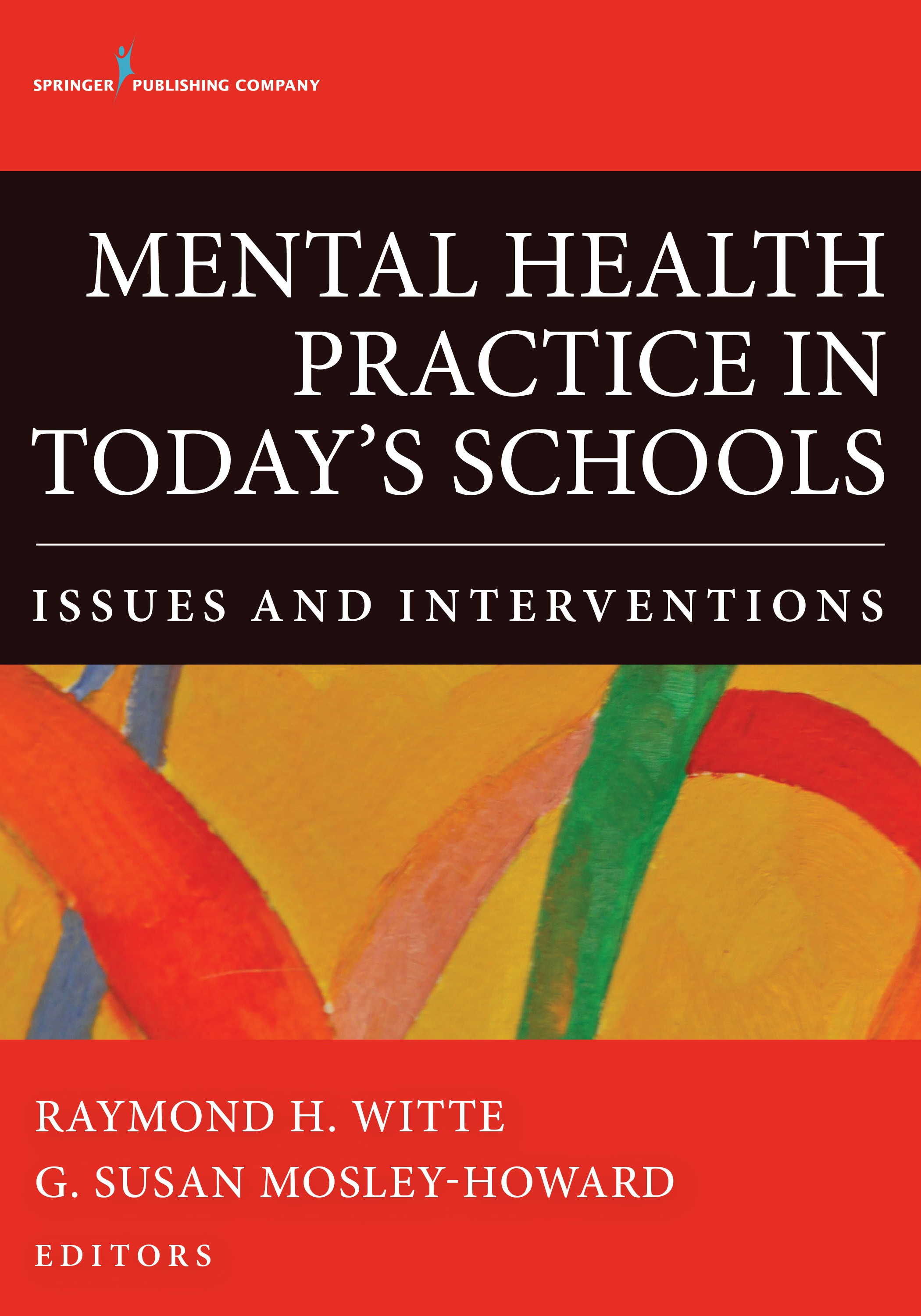
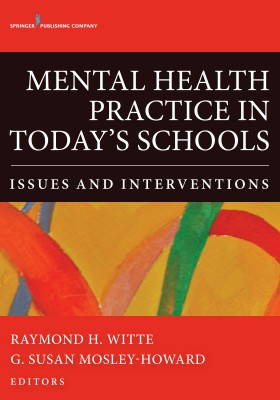 Public schools today face an ever-increasing array of issues that impact both the school climate and the overall mental health of students at all levels—elementary, middle and high. In order to identify these issues and provide successful, research-based interventions, Raymond H. Witte and G. Susan Mosley-Howard have brought together practitioners and experts in the field to present a concise yet comprehensive resource to assist both school support professionals and clinical mental health practitioners who work with school-age children. Mental Health Practice in Today’s Schools: Issues and Interventions provides essential guidance in serving the mental health needs of all students.
The first part of the book focuses on core professional topics that help facilitate the role of mental health practitioners in schools’ student support services. Because Response to Intervention has become a focal point for the identification of special-needs populations and of students with chronic behavioral challenges, procedures are presented for screening at-risk students for mental health intervention, as well as for integrating mental health programs within the school community. Authors also discuss how to use counseling microskills more effectively with children of varying developmental levels. In addition, two of the more widely-used and successful theoretical approaches in working with school-age populations, reality therapy and solution-focused brief therapy, are presented by acknowledged experts in the field—Robert Wubbolding and Cynthia Franklin, respectively.
As many educators working in the schools may not be familiar with disorders commonly diagnosed in the school-age population, authors identify these disorders and provide strategies for presenting this information effectively to teachers, administrators and other student support personnel. Likewise, authors offer guidance on legal and ethical considerations when providing mental health services to children and adolescents within the school environment.
Specific issues encountered by educators and mental health professionals working in the schools are addressed in the second part of the book. Bullying is an international phenomenon, and this text provides interventions for assisting both the aggressor and the target of the bullying behavior. School staff members often have a particularly difficult time in developing effective strategies to combat cyberbullying, which is bullying by means of electronic devices and social media. This behavior can cross school boundaries, making it difficult to pursue due to students’ rights to privacy and free speech, and to the extent of the school’s authority to legally intervene. However, bullying can be linked to other issues such as physical or sexual abuse, substance abuse, and suicide, and as such, authors provide suggestions for addressing each of these challenges for school crisis prevention and intervention by mental health professionals working in the schools.
Although some of the information presented by the various authors is more technical in nature, I found this book to be informative, novel in its choice of subjects, and a user-friendly read for practitioners and educators alike. Such topics as student threat assessment and psychopharmacology are necessary but seldom included in mental health practice texts relative to the public schools, making this book a much more comprehensive text for use not only by practitioners but also in the preparation of students in training for the mental health professions. A particular strength of this book is that the authors are drawn from various fields and professional perspectives—psychology, psychiatry, social work, mental health counseling and public education. The text’s only limitation is that I would have liked to see a more prominent emphasis on collaboration with existing student services members, such as school counselors, in support of mental health interventions within the school environment.
Overall, Mental Health Practice in Today’s Schools: Issues and Interventions provides a comprehensive guide to the mental health issues of students in our schools and practical school-wide prevention and intervention strategies to address these challenges. This text will likely serve as an essential resource for mental health practitioners and educators working in the schools for years to come.
Witte, R. H., & Mosley-Howard, G. S. (Eds.). (2015). Mental health practice in today’s schools: Issues and interventions. New York, NY: Springer.
Reviewed by: Michael A. Keim, NCC, Columbus State University, Columbus, GA.
The Professional Counselor
https://tpcwordpress.azurewebsites.net/
Jun 26, 2015 | Book Reviews
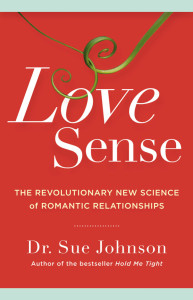 Dr. Sue Johnson, creator of emotionally focused therapy and bestselling author of Hold Me Tight: Seven Conversations for a Lifetime of Love, explores the science of love in her latest book Love Sense: The Revolutionary New Science of Romantic Relationships. In this day and age, we have the knowledge to “split the atom and soar into space,” yet we lack a clear and rigorous understanding of the instinct and connection that drives the human life. Dr. Johnson states that love is “far from being unfathomable;” it is “logical and understandable.” Dr. Johnson wrote Love Sense as a guide for finding the way to more fulfilling, lasting love.
In part one of Love Sense, Dr. Johnson starts with an explanation of the emotional bond of love, covering John Bowlby’s attachment theory. In part two, she describes emotion, the brain and the body, weaving in years of scientific research ranging from Freud to genetic research. She normalizes the common and relatable experiences that are difficult parts of love, claiming, “Love relationships aren’t meant only to be joyrides; they’re also restorative and balancing meeting places where negative emotions are calmed and regulated.” Dr. Johnson covers the neurochemistry of love, including a detailed account of hormones and the brain. The context of the information relates to emotional bonding between parent and infant and between adult lovers.
After describing the science of love, or the physiological reactions, Dr. Johnson describes love in action in part three of Love Sense. She shares how love moves and evolves over time, stating that “relationships are not static, frozen-in-time unions; they are living, breathing organisms.” Dr. Johnson covers how bonds become unraveled and renewed. In part four, Dr. Johnson concludes with two chapters about the application of the new science on attachment and love. Providing a love story example, Dr. Johnson shows how one couple—Andre and Cleo—move from a breakup to bonding. This is a “down-to-earth story of love made possible by the love sense that is now available to us all.”
In addition to factual material, Love Sense includes experiment sections at the end of chapters, which give readers an opportunity to apply the material. Readers can utilize the scientific information presented to gain emotional understanding in the present moment. Counselors can expand their understanding of the driving force in relationships, hopefully improving their clinical effectiveness. Laypersons can read scientific information in a digestible form and apply the new information in their relationships, a task that is made easy through the book’s experiment sections. Whether the reader is a professional or not, Love Sense provides new insight on what is so “vital to our existence”—love.
Johnson, S. (2013). Love sense: The revolutionary new science of romantic relationships. New York, NY: Little, Brown.
Reviewed by: Traci P. Collins, NCC, doctoral student in counselor education at North Carolina State University and Managing Editor of The Professional Counselor.
The Professional Counselor
https://tpcwordpress.azurewebsites.net
Jun 26, 2015 | Book Reviews
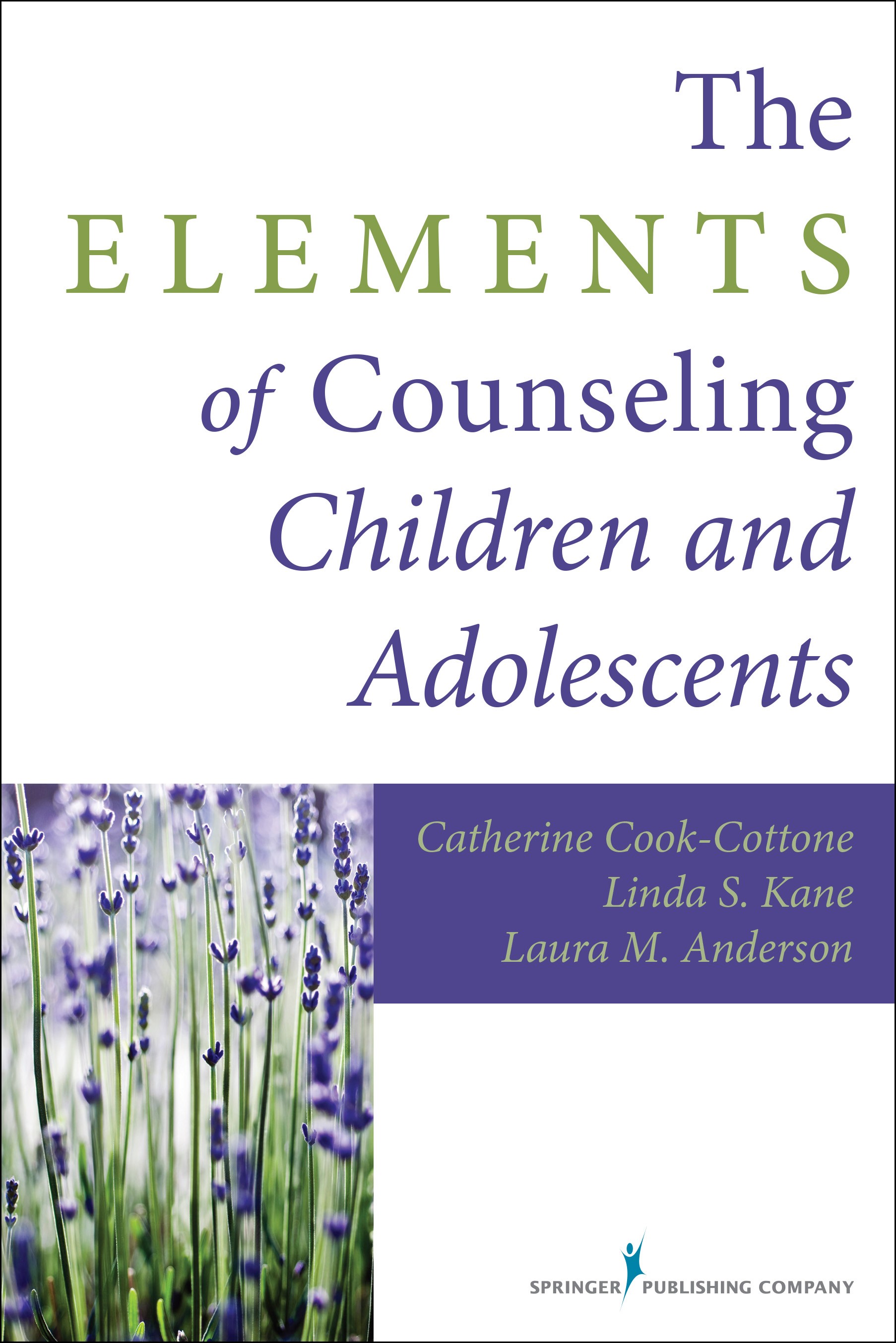
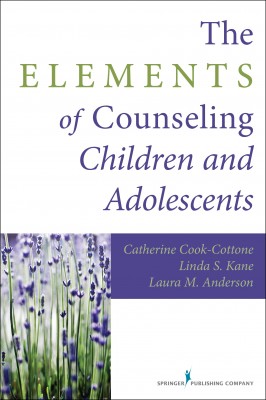 The Elements of Counseling Children and Adolescents is a brief, yet beneficial, text that offers an introduction to anyone exploring developmentally appropriate strategies for addressing the problems of children and adolescents. As is, the text may be useful for students in all branches of mental health.
The authors begin the book by reviewing the concepts of setting the stage for counseling (Chapter 1), the process of counseling (Chapter 2), and self-awareness and growth (Chapter 3). Though these topics are covered in many introductory counseling books, here the authors focus on what counseling can look like when working with children and adolescents. Likewise, the authors discuss setting the stage, the process of counseling, and self-awareness and growth from a developmental perspective for working with non-adult clients. One might also conceptualize Chapters 2 and 3 as concerning the fundamental skills used in counseling tailored for children and adolescents. Within these chapters, as the authors explore each skill, they provide mini-transcript examples to demonstrate each skill.
In Chapter 4, misconceptions and assumptions are examined. The authors remind readers that children and adolescents are not adults, and that progress and growth may not occur in the same fashion or resemble that of adults. This chapter, as a prelude to Chapter 5, warns of cookie-cutter approaches and emphasizes the importance of the client’s individuality.
Chapter 5 provides a brief description of evidence-based and contemporary practices that are useful when working with non-adult populations. The chapter covers the more conventional modalities (e.g., brief, solution-focused, cognitive behavioral and behavioral) as well as the less conventional (e.g., play therapy and creative techniques). Both individual and systemic counseling models are described. Chapters 6 and 7 end the book’s coverage of topics by discussing crisis intervention, mandated reporting, grief and counselor self-care.
The book is easy to read and the chapters flow in a succinct manner. Its greatest strength is the use of the “elements of” format to highlight specific topics that are important for all to consider, regardless of whether the reader is a novice or educator. In total, 59 elements are described. Also, as previously noted, each chapter includes mini-session transcripts as well as summary and discussion questions. These aspects allow for further discussion within educational settings or reflection by individual readers. Finally, the appendix provides a “how to” section for use in educational settings.
In addition to its strengths, The Elements of Counseling Children and Adolescents also has some limitations. The text is only introductory and does not provide enough depth to be used as the primary text for a class on counseling children and adolescents. At only 126 pages, the book lacks information on the application of evidence-based practices to specific disorders. The authors mention the tenets of each modality as well as some of the disorders that each modality may be used to treat; however, there is no exploration or description of, for example, what “Modality A” looks like when used with “Disorder A.” The text frequently and appropriately describes the importance of individual differences and integrative practice; however, it fails to explore cultural differences within child and adolescent populations.
The best application of the text for counseling professionals would be as a supplemental text in a class on counseling skills and techniques. The average skills class covers the basic counseling microskills from the perspective of working with adults. With this said, this text would make an excellent companion to apply basic skills to working with non-adult populations.
Cook-Cottone, C. P., Kane, L. S., & Anderson, L. M. (2015). The elements of counseling children and adolescents. New York, NY: Springer.
Reviewed by: E. Franc Hudspeth, NCC, Henderson State University, Arkadelphia, AR.
The Professional Counselor
https://tpcwordpress.azurewebsites.net/