Jun 18, 2015 | TPC Outstanding Scholar
Lisa D. Hawley, Todd W. Leibert, and Joel A. Lane

Lisa D. Hawley, Todd W. Leibert, and Joel A. Lane received the 2014 Outstanding Scholar Award for Quantitative or Qualitative Research for their article “The Relationship Between Socioeconomic Status and Counseling Outcomes.”
Dr. Hawley is an associate professor and department chair at Oakland University, in Rochester, Michigan. Her research includes socioeconomic status and counseling implications, clinical training, and professional identity issues. In addition, she advocates for counselors on equity issues.
Dr. Leibert is an associate professor and coordinator of the doctoral program at Oakland University, in Rochester, Michigan. His research and scholarly passion center on factors that facilitate or impede change in counseling among adult clients.
Dr. Lane is an assistant professor at Portland State University, in Portland, Oregon, where he also serves as coordinator of the clinical mental health counseling program. His research and scholarly agenda focus on emerging adult life transitions and their impact on mental health and well-being.
All three authors are National Certified Counselors (NCCs).
Read more about the TPC scholarship awards here.
Jun 17, 2015 | Book Reviews
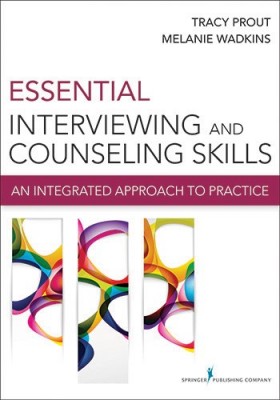 Essential Interviewing and Counseling Skills is a helpful resource for facilitating an understanding of integrative counseling methods. Moving beyond theory, this book not only explains the relevance of integrative methods, but also fosters the application of an integrative approach. The book is divided into four sections which incrementally guide the learner in developing essential knowledge and skills. Titled “Building the Foundation,” the aptly named first section provides important aspects of interviewing, ethics, case conceptualization, selecting interventions and diversity issues. After acquiring foundational skills, the reader is prepared to transition to learning the importance of developing a counseling relationship. In this segment, the reader learns core counseling concepts such as reflecting, conveying empathy and strengthening the therapeutic alliance. The third section assists the learner in connecting with the client and promoting change. Within the areas of assessment, diagnosis and treatment planning, the authors provide the reader with expansive insight into goal setting, wellness, emotionality, the nature of the therapeutic relationship and helpful techniques. The final section concludes with termination considerations for a variety of counseling modalities such as group, school, career, family and forensic counseling. Additionally, the authors highlight methods of crisis intervention and suicide prevention.
In accordance with integrative practice, the writers provide a distinctive section that assists the learner in developing a unique counseling style. The format of the book emphasizes the essentiality of continued education and notes the importance of professional development via conferences, workshops, seminars, certifications, networking, supervision and self-care. The seamless progression of this book from chapter to chapter is helpful in utilizing a developmental teaching perspective in counselor education. The authors provide case examples and multicultural perspectives throughout the text to assist in the learning process. In addition, skill boxes with learning exercises, resources and reflections are sprinkled throughout the book, which aid in threading the learned material into practice. Furthermore, several of these skill boxes include web applications through which the reader can venture beyond the text.
The authors certainly achieve their intention of providing knowledge in a manner that is easily accessible to a beginning audience. The range of information from acquiring basic skills to integrating methods makes this book suitable for the counseling trainee, novice counselor or clinician seeking guidance in expanding and integrating practice. The skills-focused, reflective style of this text may also be helpful to the experienced counselor looking for fresh approaches to counseling. Chapters are equipped with reviews, personal reflections, keywords and suggestions for further reading that may assist the counselor educator in developing or facilitating training courses. On the other hand, due to the skills-focused approach, this text may be insufficient for training courses that aim to encompass the depth of counseling theories. Overall, the authors provide a wealth of information to assist in counseling training. Students in counseling training programs will find Essential Interviewing and Counseling Skills a helpful guide in expanding their clinical toolbox.
Prout, T., & Wadkins, M. (2014). Essential interviewing and counseling skills: An integrated approach to practice. New York, NY: Springer.
Reviewed by: Shainna Ali, doctoral student in counselor education, University of Central Florida, Orlando, FL.
The Professional Counselor
https://tpcwordpress.azurewebsites.net
May 6, 2015 | Video Reviews
In their comprehensive and user-friendly video, Evidence-Based Treatment Planning for Generalized Anxiety Disorder, Drs. Arthur Jongsma and Timothy Bruce provide a core foundation for understanding as well as treating generalized anxiety disorder—all within 70 minutes. Additionally, the authors adequately demonstrate how research can be translated into practice by using an evidence-based framework to treat symptoms consistent with generalized anxiety disorder. Other benefits include the transcript provided with the video because it enables viewers to follow along with ease, as well as provides the variety of learning methods included in the video, such as the dialogue throughout the interview, PowerPoint slides, and case vignettes that include exchanges between a practitioner and client.
In order to provide their audience with an organized, step-by-step guide for counseling an individual presenting with generalized anxiety disorder, Bruce and Jongsma (2012) incorporate six modules and four clinical vignettes to best illustrate their treatment practices. Specifically, the authors address DSM criteria and related clinical features, provide a historical framework that highlights the movement towards empirically supported treatments, emphasize key elements for treatment planning, target relapse prevention, and utilize a six-step treatment planning process grounded in evidence-based practices. Throughout the video, terms are clearly and explicitly defined.
In addition to highly educational information, Bruce and Jongsma (2012) include a multitude of clinical references, online resources, and concise yet extremely applicable case vignettes. In this video, the four various vignettes provide specific examples for how behavioral definitions, long-term goals and short-term objectives are used when working with clients, all while meeting the standards for empirically supported treatments. For example, in the first vignette, relaxation is demonstrated by using a guided imagery procedure that also incorporates body scanning and cue words to help the active and tense mind experience relief. In the second and third vignettes, stimulus control and worry time are targeted, with examples that can be applied to daily life. Similarly, the authors clearly show how evaluating the evidence, predicting the likelihood, and exploring best- and worst-case scenarios can help reduce generalized anxiety. In the final vignette, a role play is used while working through a sample treatment plan. Relapse prevention is also included.
The strengths of this video are clearly evident, yet it is also important to note several limitations and growth opportunities for future videos and related resources. First, it would be helpful to include a vignette before the 30-minute mark, as a vignette truly captures the attention of the audience and also makes it easier to translate theory into practice. Second, while discussing short- and long-term goals, it would be helpful to describe measurement and strategies for evaluation. Third, the client in the vignette seemed highly receptive, willing and ready to change. For at least one vignette, the therapist(s) may consider working with a client who feels stuck or who exhibits some resistance or hesitation in using imagery or postponing worry.
In summary, Evidence-Based Treatment Planning for Generalized Anxiety Disorder is an excellent resource for practitioners counseling clients presenting with anxiety. It is a hands-on resource and provides a comprehensive guide to treating generalized anxiety disorder while also using empirically supported treatments. Both beginning and veteran clinicians are sure to benefit from this video.
Reviewed by: Mary-Catherine McClain, The University of Georgia Counseling and Psychiatric Services Center.
John Wiley & Sons (Producer). (2012). Evidence-Based treatment planning for generalized anxiety disorder with Arthur Jongsma, PhD & Timothy Bruce, PhD [Streaming video]. Retrieved from www.psychotherapy.net
Available in streaming format and as part of video subscription at www.psychotherapy.net/subscriptions.
The Professional Counselor
https://tpcwordpress.azurewebsites.net
Mar 16, 2015 | Video Reviews
 Since its inception in the early 1980s, Emotionally Focused Therapy (EFT) has given therapists a fresh approach for couples counseling. Developed by Dr. Sue Johnson (professor emerita at the University of Ottawa and founder of the International Centre for Excellence in Emotionally Focused Therapy [ICEEFT]) and Dr. Les Greenberg (professor of psychology at York University, Toronto), EFT focuses on the attachment bond between the couple and looks to understand how surface emotions expressed in conflict (what Johnson describes as dreadful dances of negative interactions) are often disguised cries for deeper understanding and a desire for greater intimacy. As the name suggests, this form of therapy focuses on emotions, not cognitions. By untangling the surface emotions and their underlying meaning, the counselor can help the couple identify each step they take in conflicts, deescalate conflicts, identify unmet attachment needs, and restructure interactions so that they learn to bond and meet each other’s deepest needs. The result is a safe and secure attachment bond.
For the most part, EFT has been used to help heterosexual couples improve their relationships. But as the landscape of societal and cultural norms change, counselors can expect to see more gay, lesbian and transgendered couples seeking guidance for relationship struggles. To help counselors cope with the growing tide of same-sex couples seeking services, ICEEFT and Psychotherapy.net present Emotionally Focused Therapy with Same-Sex Couples. This useful video shows Dr. Johnson in action with two same-sex couples (one male couple and one female couple) who are in different stages of reestablishing their damaged attachment bonds. The demonstrations are bookended by conversations between Johnson and each couple’s regular counselor. The video concludes with a very useful conversation in which Johnson and three other counselors discuss the particular nuances of working with same-sex couples.
This video is instructive on two counts. First, for the EFT novice, it shows the master in action. Johnson ably demonstrates two of the three primary stages of EFT—deescalating conflict and restructuring the dance of conflict so that each partner can begin to meet the other’s attachment needs. The stages are the same whether the couple is heterosexual or same-sex, and it is illuminating to watch Johnson review the stages and then help clients reach the stages. In addition, this video also offers insight into the particular issues of same-sex counseling. Counselors who are new to working with same-sex couples—especially heterosexual counselors—should be aware that gay and lesbian couples bring not only the usual conflicts and foibles of relationships into therapy, but also a history of societal indifference and sometimes familial disapproval. As Johnson and her colleagues note, gay and lesbian partners often are even more disconnected from their attachment needs than their heterosexual counterparts. A lifetime of shaming, disapproval from family and friends, and repressing natural desires can adversely affect a person’s ability to fully trust another. Often gay and lesbian youth lack a secure attachment figure—someone to understand and offer warm support—and the lack of this bond makes future relationships tenuous. Johnson encourages the viewer to speak openly about issues of sexuality with same-sex couples, to avoid assumptions about their experiences and to make contact with the trauma each partner may have had when coming out. Attachment can be hard for straight couples, Johnson says, and building secure attachment for couples who grew up hearing that homosexuality was wrong can be even more difficult. That difficulty should be made explicit. As one of the video’s featured counselors quips, counselors working with same-sex couples need to talk about the “pink elephant” in the room.
Even profoundly, the video addresses a common stereotype about same-sex relationships, namely that monogamy is rare in homosexual relationships, which the counselors report is not necessarily true. The need for connection is universal, and now gay and lesbian couples are entering into more traditional forms of relationship (e.g., marriage) than ever before. The video features one couple who have an open relationship, but as the featured counselors say, that arrangement is not necessarily contraindicative of EFT (active affairs outside the “rules” of the relationship are, however). Counselors working with gay and lesbian couples must look beyond the particulars of the relationship (e.g., monogamous, open) to examine the bond between partners. What matters is strengthening the bond. Ultimately, partners want their emotions to be understood, and EFT helps couples reach that goal. This video is highly recommended.
Reviewed by: Eugene Naughton, NCC, professional counselor, Greensboro, North Carolina.
Reel Concepts for Susan Johnson, Inc. (Producer). (2014). Emotionally focused therapy with same-sex couples with Dr. Sue Johnson [DVD]. (Available in DVD and video streaming from http://www.psychotherapy.net/video/emotionally-focused-therapy-gay-lesbian-couples)
Available in DVD and streaming format as part of video subscription at Psychotherapy.net/subscriptions.
The Professional Counselor
https://tpcwordpress.azurewebsites.net
Mar 11, 2015 | Book Reviews
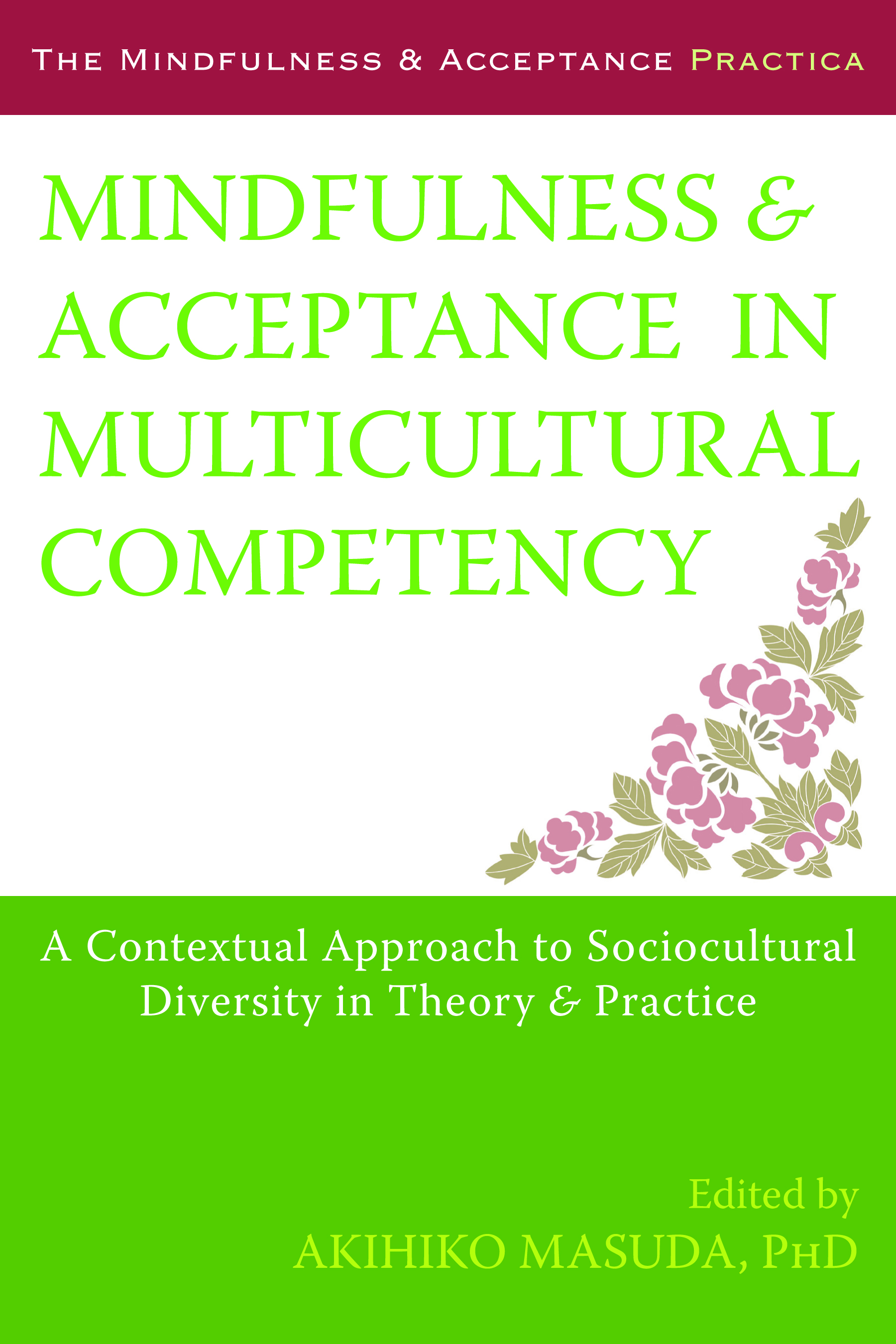 Mindfulness and Acceptance in Multicultural Competency by Akihiko Masudo is part of The Mindfulness and Acceptance Practica series. This groundbreaking volume focuses on a contextual approach to multicultural theory and practice. With the emergence of new cognitive and behavioral therapies that integrate mindfulness and acceptance principles, this book represents a significant contribution to the exploration of how these principles account for culture and diversity, the particular ways in which acceptance and mindfulness-based methods can be adapted culturally through specific evidenced-based approaches, and the application of mindfulness and acceptance to some issues commonly linked to the experience of diversity.
Part I of the book addresses the complexity of multicultural issues with an emphasis on how mindfulness and acceptance principles, which are based on a functional-context perspective, represent a valid alternative to the classic content-based approach (awareness, knowledge and skills) in promoting multicultural competence. As such, the contributors argue that in order to understand and promote cultural competency, there is a need to develop a functional contextualism, which demands an understanding of the moment-by-moment and relational nature of the counseling experience, as well as an acknowledgment that both counselor and client are contextual beings.
Part II of the book focuses on the cultural competency and cultural adaptation of Dialectical Behavior Therapy, Mindfulness-Based Cognitive Therapy, and Acceptance and Commitment Therapy. A central premise of this section is that these approaches are functional, contextual and process-focused, and as such, they facilitate cultural competency. The book presents specific examples of how these therapies can be contextually adapted to the client’s sociocultural background.
Part III of this volume illustrates the use of mindfulness- and acceptance-based principles and interventions in general contexts of multicultural practice and training, as well as in addressing specific issues. The beginning of this section illustrates the cultural adaptation of mindfulness- and acceptance-based approaches for non-English speakers. The authors’ main point is that the adaptation of intervention protocols, rather than simply attending to issues of content, must attend to the functional and contextual reality of the clients. The next part of this section focuses on the use of mindfulness and acceptance principles in multicultural competency training. The authors’ basic premise is that acceptance- and mindfulness-based approaches can reduce responses that interfere with multicultural training and lead to intrinsic motivation for developing multicultural competency. The rest of this section focuses on how mindfulness and acceptance principles and interventions can be used to address specific issues associated with the experience of diversity such as spirituality, prejudice and shame. The contributors’ main ideas reflect the need to emphasize the common ground between prominent spiritual traditions and acceptance- and mindfulness-based therapies, the importance of increasing psychological flexibility, the relevance of focusing on the verbal processes that underlie stigma rather than its content, the importance of promoting intrinsic and prosocial anti-stigma actions, and the need to integrate compassion-based interventions that promote quality of life.
As a whole, this book represents a valuable addition to the classic content-based approaches to building multicultural competency. Mindfulness and acceptance principles are highlighted as useful tools in the process of understanding and conceptualizing cultural issues. Mindfulness- and acceptance-based approaches are examined based on their cultural competency as well as their great potential for multicultural adaptation. Finally, mindfulness and acceptance principles and interventions are presented as significant resources for facilitating change in the context of issues that are relevant to specific minorities.
In general, the authors succeed in illustrating the enhancing role that mindfulness- and commitment-based principles and interventions have in the process of conceptualizing and developing cultural competency. Their demonstration of the adaptability of specific approaches is valuable but somewhat limited, mostly due to the low availability of research and experience related to the implementation of these approaches with diverse populations. In my opinion, this volume’s greatest contribution is its illustration, with specific case examples, of the groundbreaking potential that mindfulness- and commitment-based principles and interventions have in the change process of those affected by issues such as stigma, discrimination and prejudice.
Reviewed by: Raul Machuca, Barry University, Miami Shores, FL.
Masuda, A. (Ed.). (2014). Mindfulness and acceptance in multicultural competency. Oakland, CA: New Harbinger.
https://tpcwordpress.azurewebsites.net