Oct 15, 2014 | Article, Volume 3 - Issue 3
Wilma J. Henry
The purpose of this article is to assist mental health counselors and student affairs practitioners to gain a better understanding of the challenges 21st century Black college women may face in their attempt to develop intimate heterosexual relationships with Black men. Consequently, higher education leaders have the opportunity to support Black women in their quest to establish a healthy identity by providing educational opportunities within co-curricular and academic contexts to meet the needs of this unique population of students. The implementation of culturally relevant interactive workshops, case studies, and conversations focused on the positive contributions and value of Black women may aid them as they wrestle with relationship issues during the crucial process of developing a salubrious evolving identity. It is imperative that college counselors and student affairs professionals strive to augment appropriate multicultural awareness, knowledge and skills necessary to effectively assist Black women grappling with relationship issues as they move through the process of identity development.
Keywords: Black women, intimate relationships, heterosexual relationships, Black men, identity development
Most students choose to attend college in order to earn an academic degree, while others view the experience as an opportunity to identify a potential spouse for starting a family (Pew Research Center, 2010). Unfortunately, many 21st century Black college women face a myriad of problems when seeking a compatible mate. Some of the challenges these women encounter when attempting to develop intimate heterosexual relationships with Black men relate to the gender gap (i.e., gender ratio imbalance) that exists between Black women and Black men in college (Cuyjet, 2006). Because of this disparity, Black women grapple with issues such as the quest for a male partner with equal educational status, sexually related health risks, conflicts with interracial dating, and questions concerning dating significantly younger or older men (Henry, 2008). These types of issues can be quite daunting for young Black college women born into oppressive societal conditions and stigmatized with the burden of racism, sexism, and classism (Henry, Butler, & West, 2012). Unfortunately, these women may have little or no knowledge regarding the circumstances of their devalued status, nor the appropriate coping skills to survive the negative effects of their devaluation (Henry, 2008). Thus, some Black women may make poor dating decisions that lead to low self-esteem, negative self-efficacy, dysfunctional intimate relationships, academic failure, and an overall unhealthy identity, as well as lifelong physical and psychological health challenges (Hughes & Howard-Hamilton, 2003).
Women from other cultural groups also may face some of the same types of concerns and issues as Black women in the process of finding a mate; however, Black women in college are particularly challenged in the process of finding a mate because they have endured a long history of racism, sexism, and classism. This situation has perpetuated the educational gender gap, and strained intimate relationships between Black men and women. In fact, some researchers contend that the stress that exists in “Black love” relationships is primarily because of political, social, and economic oppression in America (Alexander-Floyd & Simien, 2006; Hill, 2005; hooks, 2001; Waters & Conaway, 2007). Thus, it is important to consider these phenomena when discussing Black love relationships among college students, because of their salient and intersecting influences on the identity development of Black men and women in this country. This article explores issues young Black college women face when seeking long-term intimate relationships with Black men during their college years.
Theoretical Framework
Identity development is a complex phenomenon because of both internal and external factors in the lives of individuals. According to Chickering and Reisser (1993), the college years are a critical time when young adults not only struggle with newfound freedom, but also must navigate the developmental trajectories of identity formation. The concept of identity has been defined as a set of qualities and/or characteristics that express who and what an individual is and desires to become (Cross, 1971). Schuh, Jones, Harper, and Associates (2011) described identity as a foundation from which a person’s image of self is derived.
Researchers studying women’s identity development have emphasized the significance of establishing intimacy and interpersonal relationships in the process of identity formation (Blackhurst, 1995; Chickering, 1969; Josselson, 1987, 1996; Taub & McEwen, 1991). Additionally, studies investigating intimate relationships between Black women and Black men have called attention to the effects of race, gender, and social class as constructs that influence their intimate interactions (Hill, 2005; hooks, 2001; Hughes & Howard-Hamilton, 2003). Inasmuch as the interplay of these constructs intertwines to influence identity development, it could be surmised that the dating decisions of Black women are influenced in part by their experiences at particular stages of racial and gender identity formation (Henry, 2008).
Racial Identity Development
Cross’ (1971) Black identity development model has been widely used as a framework to help contextualize the process of racial identity formation (Evans, Forney, & Guido-DiBrito, 1998). Cross contends that as Blacks move toward the development of a sound racial identity, they must reframe their sense of self from perspectives rooted in the dominant White culture to attitudes and beliefs based on their own Black cultural standpoint (Evans, Forney, & Guido-DiBrito, 1998). This is anchored in a series of racial identity stages: pre-encounter, encounter, immersion-emersion, and internalization (Cross, 1971). Thus, it seems that the dating decisions of Black women and men are influenced by their worldview at a certain stage of racial identity formation (Henry, 2008).
Womanist Identity Development
Janet Helms’ (1990) womanist identity development theory has been widely used in discussing the concerns and issues regarding women of color (Johnson, 2003). Helms’ model describes the process of identity formation according to the experiences of women as they move from an external, societal definition of womanhood to an internal, personally salient definition of womanhood. Helms’ theory parallels that of Cross’ (1971) Black identity development model and suggests that women move through the same four developmental stages that Cross proposed.
During the pre-encounter stage, women conform to societal views about gender and tend to display characteristics of gendered stereotypes (Helms, 1990). In the second stage, encounter, as a result of new information and experiences, the woman begins to question accepted values and beliefs (Helms). It is during this stage that a heightened sense of womanhood is developed. The immersion-emersion stage involves the idealization of women and the rejection of male-supremacist views of women in order to find a positive self-affirmation of womanhood (Helms). At the fourth and final stage, internalization, a positive definition of womanhood has emerged, which is based upon the woman’s own beliefs and values; the shared experiences of other women are valued as a source of information concerning the role of women, and there is conscious rejection of external definitions of womanhood (Helms, 1995).
The process of identity development among Black college women may significantly impact their dating decisions. For example, a woman in the pre-encounter stage may make very different dating decisions than a woman in the internalization stage. Within this context, the discussion that follows details the many challenges Black women face during their quest to date as they progress through college.
Many 21st century Black college women that are interested in finding a Black mate of similar academic status are not optimistic about their future for dating, marriage, and family (Henry, 2008). A review of relevant literature reveals several challenges that influence the dating decisions of Black women in college.
The Black Educational Gender Gap
While the total enrollment of minorities has been increasing, there are twice as many Black women attending college as men (“Census,” 2005). According to the National Center for Education Statistics (2007), females are enrolled in undergraduate institutions at higher rates than males across all racial and ethnic groups; however, the gender gap is largest among Blacks. A study conducted by the American Council on Education on the status of low-income minority students in higher education revealed that “among all ethnic groups except African Americans, as income increased the gender gap disappeared” (Bronstein, 2000, p. 4a). The Journal of Blacks in Higher Education (“Black women students,” 2006) noted that Black females make up 64% of the Black undergraduate student population on college and university campuses across the country. This trend is expected to continue as Black females are predicted to increase their college enrollment at a higher rate than Black males (Marklein, 2005; National Center for Education Statistics, 2007; Zamani, 2003). Unfortunately the campus dating scene for Black college students is grossly unbalanced (Cuyjet, 2006) and is projected to worsen.
As a result of the gender disparity on contemporary college campuses, Black women who aspire to find compatible, college-educated Black males are experiencing greater difficulty than women from other racial and ethnic groups (Offner, 2002). Black women generally outnumber Black men 60% to 40% on college campuses around the country (Foston, 2004). Even women that enroll at historically Black colleges and universities (HBCUs) with hopes of being in an environment where there are many Black college men do not find that their luck is any better (Henderson, 2006). According to Foston (2004) at Smith University, a small HBCU in Charlotte, North Carolina, in 2004 the enrollment of Black students was approximately 58% women and 42% men. At Florida A&M University in Tallahassee, Florida, the Black enrollment was approximately 58.5% women and 41.5% men. HBCUs with a higher ratio between women and men included Clark Atlanta University and Fisk University, both with a ratio of 70% women to 30% men (Foston, 2004). Similarly, Broussard (2006) purported that a significant percentage (39%) of Black college women would be left without a college-educated male partner if all the Black men in college were in a committed relationship with a Black woman. This suggests that many young, Black, college-educated women have a low probability of dating and marrying Black men of equal educational status (Furstenburg, 2001).
Reasons for the Black educational gender gap. A variety of factors related to race and socioeconomic status have been cited to explain why there are fewer Black men in college than Black women (Bronstein, 2000). Some of these factors include societal stigmatization and stereotyping, which often result in the disproportionate tracking of Black males in early grade school (Blake & Darling, 1994); under preparedness among many Black males that manage to graduate from high school (Townsend Walker, 2012); and high rates of violent deaths and incarceration among Black men (Swanson, Cunningham, & Spencer, 2003).
Ballard (2002) contends that Black males have been discouraged from earning a college degree by negative experiences they may have encountered in secondary school. For example, the disproportionate educational tracking (grouping students according to their academic abilities in classes categorized as approaching basic, honors or college prep) of Black males in elementary school has negatively affected their self-concept as well as their current and future achievement (Blake & Darling, 1994; Townsend Walker, 2012). In essence, because of educational tracking and the widespread underlying assumption that Black males cannot achieve academically, many of them graduate from high school lacking the academic skills, motivation or desire to pursue higher education. Additionally, as Murphy (2004) noted, “in the 15–30 age bracket, Black men have a mortality rate that is twice that of Black women” (p. 125). He attributes this to the fact that homicide and suicide are among the top three causes of death among Black men and that half a million of them are incarcerated. Hence, the large number of Black males who are not college bound directly contributes to the gender ratio imbalance that reduces the dating options of Black women in college and influences their dating decisions.
The Quest for Equal Status Among Mates
Black college women prefer to date men who are similar to them in education, occupation and social status (Henry, 2008). Consistent with the increasing number of women that are earning college degrees, more Black women are earning higher salaries than some of their Black male counterparts (“Census,” 2005), which makes it even more difficult to find a Black male partner of equal education, economic or social status (Furstenburg, 2001). Consequently, some 21st century Black women choose to remain single or postpone marriage until they can find a suitable Black male partner (Cuyjet, 2006; Henderson, 2006; Kitwana, 2002; Porter & Bronzaft, 1995). This dating decision may create undue stress for the Black woman due to family pressures and societal expectations regarding the importance of marriage (Henry, 2008). In addition, women who remain single may be left to contend with the negative characterizations of unmarried women in our society (e.g., old maid, spinster).
Sexually Related Health Risks
Many Black college women attempt to secure a long-term relationship with Black men by participating in promiscuous, risky sexual behavior (Foreman, 2003). Some of these behaviors include men having multiple female sex partners and women complying with men’s desire not to use a condom during sexual intercourse, which have increased the risk of HIV/AIDS among women and men on college campuses (Foreman). In fact, some students at HBCUs attribute the increasing number of Black women in college infected with HIV/AIDS to the gender ratio imbalance (Ferguson, Quinn, Eng, & Sandelowski, 2006).
The literature cautions Black women in particular to be aware of various reproductive health issues that exist within their cultural group (Ferguson et al., 2006). For example, during 2005, 66% of 9,708 Black women ages 15–39 were diagnosed with HIV/AIDS (Centers for Disease Control, 2007); in fact, HIV/AIDS has been reported as the number one cause of death among Black women ages 25–34 (Bullock, 2003). The rate of chlamydia among Black females is seven times higher than that among White females, and the rate of gonorrhea in Black women is nearly 20 times greater than that among White women (Jones, 2005).
Interracial Dating
Another way some Black women choose to address the gender ratio imbalance issue is to date and marry interracially. Because of the lack of college-educated Black males, Black females are dating outside of their race more than ever before (Hughes, 2003). Some Black women in interracial relationships have indicated that they were initially attracted to their White spouses because they could not find a Black mate of comparable social status and income level (Stanley, 2011). A study conducted by Knox, Zusman, Buffington, and Hemphill (2000) regarding the interracial dating attitudes among college students revealed that Blacks were twice as likely as Whites to report openness to involvement in an interracial relationship.
Much of the research regarding Black women’s dating preferences indicates that many do not desire to date outside of their race (Stanley, 2011). Black women who have observed immediate family members in devoted, long-lasting relationships seek that same type of commitment in relationships from men within their own race (Williams, 2006). It may be that these women wish to preserve their culture by producing a future generation of Black children. Thus, they hold firmly to the ideal of dating or marrying within their own race. Some Black women choose not to date interracially due to fear of opposition from their own family members, the family members of their racially dissimilar partner, and the Black community. Historically, there is a societal expectation that Black women should choose mates within their own racial group. These types of interpersonal challenges tend to create a great deal of stress in interracial relationships (Ortega, 2002).
Black men seem to be a bit more comfortable in crossing the color lines than Black women when it comes to dating and marriage. Banks and Gatlin (2005) reported that 13% of Black men are in interracial marriages, and census data revealed that 73% of all Black/White marriages are Black men with White women (Pew Research Center, 2006). As a result, Black women often find themselves competing for the attention of Black men who are already a limited pool of suitable mates. When Black men choose to date interracially, Black women are left feeling inadequate, particularly about their appearance (Stanley, 2011). Constant feelings of inadequacy may lead some Black females to adopt uncharacteristic behaviors, such as remaining in physically or emotionally abusive relationships with Black men.
Dating Younger Men
With the diminishing choices of mates for Black women in college, some have chosen to date much younger men (Henry, 2008). This phenomenon was first introduced into popular culture by Terri McMillan’s (1996) book How Stella Got Her Groove Back, which depicted McMillan’s real-life love encounter with a younger man while vacationing in Jamaica. McMillan’s plot has become a reality for many Black women. Several women who were asked to share their views on dating in an Ebony magazine article stated that they preferred to date younger men because these men were more vibrant (“The Stella thing,” 1998.) The article also indicated that because many Black men are incarcerated, married, gay, or dating interracially, Black women do not have many options; therefore, dating younger men has become an attractive alternative. It appears that some Black women are dispelling the notion that marrying an older Black man equates to social status, financial security and marital bliss. Similarly, Gilbert (2003) contends that many older women and younger men relationships among African American couples seem to work out well, with the most important factor in these relationships not being age, but rather compatibility. Many Black women in college who decide to engage in a love relationship with a younger man may endure potential hostility from family members, friends and the Black community in general.
Discussion
Dating for Black college women not only creates challenges in terms of finding a compatible Black mate, but also in finding and accepting one’s true self. Because of the educational gender gap, many Black women in college who are seeking long-term relationships with Black men believe that they must cater to the whims and wishes of men. According to Helms’ (1990) womanist identity development theory, young Black women in college who have not yet developed a healthy, internally based, positive definition of womanhood may make detrimental dating decisions. However, women who have progressed to the final stage of Helms’ model, internalization, may make better dating decisions, which are grounded in a positive self-identity. These women may have the courage to remain single, abstain from risky sexual behavior, date interracially, or date younger Black men. If Black women are supported in forming a positive self-concept, they may avoid making poor decisions as they seek intimacy in hopes of dating, marrying, and having a family; thus they will be less likely to experience poor long-term psychological and physical health.
Implications for Mental Health Counselors
Mental health professionals on college campuses are uniquely positioned to assist Black women in achieving a positive mature identity regardless of the challenges they may face in attempting to establish long-term intimate relationships with Black men. It is important for mental health counselors to be knowledgeable about the concerns, issues and needs of this unique population (Constantine & Greer, 2003). Although many Black women experience difficulties in adjusting to or dealing with college life, Constantine and Greer noted that they seek counseling for issues related to their personal dating dilemmas more often than is expected. In an article by Gabriel (2010), relationship concerns were listed as one of the most reported issues presented by ethnic minority counseling center clients on college campuses. This suggests that college counselors need the awareness, knowledge and skills necessary to effectively assist Black women grappling with relationship issues.
By studying and applying identity development models that illuminate the various stages of development that Black women encounter, counselors may begin to understand the dating struggles experienced by Black college women. For example, it is important for counselors to be aware of Cross’ (1971) Black identity development model and Helms’ (1990) womanist identity development theory, respectively, and to understand how race and gender oppression may influence Black college women’s ability to move successfully toward a positive and healthy self-identity. Clearly, an individual with a salubrious self-concept would be more likely to make good dating decisions.
Based on Cross’ (1971) identity development model, counselors may encounter a Black college woman who passed through the immersion stage and is in the process of emersion, taking on characteristics and behaviors of another race. Here it is critical for counselors to understand that the woman may be in denial as the emersion characteristics are antithetical to what the woman feels are appropriate behaviors for her race. Using Helms’ (1990) womanist identity theory, a Black college woman may be in search of a positive self-affirming definition of womanhood. Here it is critical for the counselor to understand the stage the client is in to support her appropriately.
Counselors must not only adopt a culturally relevant framework, but also must be aware of culturally appropriate counseling techniques in order to better serve Black college women (Bradley & Sanders Lipford, 2003). Chief among the strategies to assist Black women in achieving a healthy self-concept is a need for women-centered networks of emotional support (Williams, 2005) that provide Black women with “a place to describe their experiences among persons like themselves” (Howard-Hamilton, 2003, p. 25). According to Helms’ (1990) model, Black college women may use these encounters with other Black women to identify, question and reject the pervasive negative stereotypes that influence their self-concept. Group interventions such as “sistercircles” often provide Black college women with powerful support networks (Hughes & Howard-Hamilton, 2003, p. 101) that may assist them in making healthier dating decisions. These circles involve sharing experiences and discussing coping strategies and may be especially useful on predominantly White campuses, where the issues of Black women tend to be overlooked or marginalized at the periphery of campus life.
Implications for Student Affairs Professionals
Student affairs professionals who are well versed in student development theory also are uniquely positioned to assist Black college women in establishing healthy identities as they search for opportunities to engage in intimate dating relationships with Black college men. By providing Black college women with challenging, yet supportive educational opportunities within a variety of co-curricular and academic contexts, student affairs professionals can assist these women in reaping the psychosocial benefits of being involved in healthy intimate relationships and help them develop a positive sense of self. For example, interactive workshops, case studies, and conversations centered on the contributions and values of Black women may aid in positive identity development among young Black women in college. Based upon Helms’ (1990) womanist identity development model, the ability of these women to form positive identities may strengthen their self-concept and thus enhance the probability of them engaging in healthy intimate relationships.
In addition, student affairs programming should be structured to challenge (and support) Black college women to confront the wide array of “microaggressive” indignities (i.e., racist and sexist attitudes and behaviors) they encounter in their daily campus experiences (Howard-Hamilton, 2003, p. 23). These types of programs may help Black college women who are in Helms’ (1990) encounter stage explore and reformulate the dimensions of their self-concept, which are externally based.
Furthermore, student affairs professionals that are charged with facilitating leadership courses and co-curricular workshops who work to illuminate the strengths and values of Black women might be able to assist Black college women in establishing a healthy identity as they contend with a wide variety of difficult dating decisions. “Sistah to Sistah” programs facilitated by Black female faculty in conjunction with student affairs personnel may provide a forum in which Black college women can come to value the experiences of women like themselves and connect with these women to form a variety of deep interpersonal relationships. Helms (1990) cited the establishment and maintenance of relationships with other women as central in the process of constructing a positive, internally based definition of womanhood. By providing a combination of culturally relevant programs and activities, the process of Black women’s identity development may be improved and the quality of their college dating experiences enhanced.
References
Alexander-Floyd, N. G., & Simien, E. M. (2006). Revisiting “what’s in a name?”: Exploring the contours of Africana womanist thought. Frontiers: A Journal of Women Studies, 27, 67–89.
Ballard, S. (2002, September 16). Why Black women more than Black men are getting an education. Jet, 102(13), 12–16.
Banks, R. R., & Gatlin, S. J. (2005). African-American intimacy: The racial gap in marriage. Michigan Journal of Race & Law, 11, 1–131.
Blackhurst, A. B. (1995). The relationship between gender and student outcomes in a freshman orientation course. Journal of the Freshman Year Experience, 7, 63–80.
Black women students far outnumber black men at the nation’s highest-ranked universities. (2006). The Journal of Blacks in Higher Education, 51, 26–28. Retrieved from http://www.jbhe.com/news_views/51_gendergap_universities.html
Blake, W., & Darling, C. (1994). The dilemmas of the African American male. Journal of Black Studies, 24, 402–415. doi:10.1177/002193479402400403
Bradley, C., & Sanders Lipford, J. -A. (2003). Contextual counseling with clients of color: A “sista” intervention for African American female college students. Journal of College Counseling, 6, 187–191. doi: 10.1002/j.2161-1882.2003.tb00239.x
Bronstein, A. (2000). Are male students in short supply, or is this ‘crisis’ exaggerated? The Chronicle of Higher Education, 47(10), A4. Retrieved from http://chronicle.com/free/v47/i10/10a04701.htm
Broussard, D. A. (2006). The effects of race, gender, and self-esteem on college students’ interracial dating. Retrieved from Missouri Western State University Web site: http://clearinghouse.missouriwestern.edu/manuscripts/314.asp
Bullock, L. (2003, December). The explosive health crisis that no one talks about. Ebony, 59(2), 136–140. Retrieved from http://go.galegroup.com/ps/i.do?id=GALE%7CA110962916&v=2.1&u=gree35277&it=r&p=ITOF&sw=w&asid=d225f5ed67b4bada6c3c6e890d399b6d
Census: College-educated white women earning less. (2005, March). USA Today. Retrieved from http://www.usatoday.com/news/bythenumbers/2005-03-28-income-education_x.htm
Centers for Disease Control. (2007). HIV/AIDs Surveillance Report, 2005, Vol. 17. Atlanta, GA: US Department of Health and Human Services.. Retrieved from http://www.cdc.gov/hiv/topics/surveillance/resources/reports/2005report/
Chickering, A. W. (1969). Education and identity. San Francisco, CA: Jossey-Bass.
Chickering, A. W., & Reisser, L. (1993). Education and identity (2nd ed.). San Francisco, CA: Jossey-Bass.
Constantine, M., & Greer, T. (2003). Personal, academic, and career counseling of African American women in college settings [Special Issue: Meeting the needs of African American women]. New Directions for Student Services, 2003(104), 41–51.
Cross, W. E. Jr. (1971). Negro-to-Black conversion experience: Toward a psychology of Black liberation. Black World, 20(9), 13–27.
Cuyjet, M. J. (2006). African American college men: Twenty-first century issues and concerns. In M. J. Cuyjet & Associates (Eds.), African American men in college (pp. 3–23). San Francisco, CA: Jossey-Bass.
Evans, N. J., Forney, D. S., & Guido-DiBrito, F. (1998). Student development in college: Theory, research, and practice. San Francisco: Jossey-Bass.
Ferguson, Y. O., Quinn, S. C., Eng, E., & Sandelowski, M. (2006). The gender ratio imbalance and its relationship to risk of HIV/AIDS among African American women at historically Black colleges and universities. AIDS Care, 18, 323–331. doi: 10.1080/09540120500162122
Foreman, F. (2003). Intimate risk: Sexual risk behavior among African American college women. Journal of Black Studies, 33, 637–653. doi:10.1177/0021934703033005006
Foston, N. (2004, September). Campus dilemma: Coping with acute male shortage. Ebony, 59(11), 128–134.
Furstenburg, F. F. Jr. (2001). The fading dream: Prospects for marriage in the inner city. In E. Anderson & D. S. Massey (Eds.), Problem of the century: Racial stratification in the United States (pp. 224–246). New York, NY: Russell Sage Foundation.
Gabriel, T. (2010, December 19). Mental health needs seen growing at colleges. The New York Times. Retrieved from http://www.nytimes.com/2010/12/20/health/20campus.html?pagewanted=all
Gilbert, M. (2003, March 1). Older women, younger men. Ebony, 58(5), 142–146.
Helms, J. E. (1990). Black and white racial identity: Theory, research, and practice. New York, NY: Greenwood Press.
Helms, J. E. (1995). An update of Helms’ White and people of color racial identity models. In J. G. Ponterotto, J. M. Casas, L. A. Suzuki, & C. M. Alexander (Eds.), Handbook of Multicultural Counseling (pp. 181–198). Thousand Oaks, CA: Sage.
Henderson, S. (2006, September 1). The college woman’s guide to dating. Ebony, 61(11), 104–108.
Henry, W. J. (2008). Black female millennial college students: Dating dilemmas and identity development. Multicultural Education, 16(2), 17–21.
Henry, W. J., Butler, D. M., & West, N. M. (2012). Things are not as rosy as they seem: Psychosocial issues of contemporary black college women. Journal of College Student Retention: Research Theory & Practice, 13, 137–153. doi: 10.2190/CS.13.2.a
Hill, S. A. (2005). Black intimacies: A gender perspective on families and relationships. Walnut Creek, CA: AltaMira Press.
hooks, b. (2001). Salvation: Black people and love. New York, NY: Harper Collins.
Howard-Hamilton, M. F. (2003). Theoretical frameworks for African American women [Special Issue: Meeting the needs of African American women]. New directions for student services, 2003(104), 19–27. doi: 10.1002/ss.104
Hughes, R. L., & Howard-Hamilton, M. F. (2003). Insights: Emphasizing issues that affect African American women [Special Issue: Meeting the needs of African American women]. New directions for student services, 2003(104), 95–104. doi: 10.1002/ss.110
Hughes, Z. (2003, May 1). Why some sisters date whites & ‘others.’ Ebony, 58(7), 55–57.
Johnson, D. E. (2003). Racial identity, womanist identity, and issues impacting first-year African American college women at a predominantly White university: A quantitative and qualitative study (Doctoral dissertation, North Carolina State University). Retrieved from http://repository.lib.ncsu.edu/ir/bitstream/1840.16/5912/1/etd.pdf
Jones, M. (2005, October 1). Taking a look at reproductive health. Ebony, 60(12), 160–163.
Josselson, R. (1987). Finding herself: Pathways to identity development in women. San Francisco, CA: Jossey-Bass.
Josselson, R. (1996). Revising herself: The story of women’s identity from college to midlife. New York, NY: Oxford University Press.
Kitwana, B. (2002). The hip hop generation: Young blacks and the crisis in African-American culture. New York, NY: BasicCivitas.
Knox, D., Zusman, M. E., Buffington, C., & Hemphill, G. (2000). Interracial dating attitudes among college students. College Student Journal, 34, 69–71.
Marklein, M. B. (2005, October 19). College gender gap widens: 57% are women. USA Today. Retrieved from http://usatoday30.usatoday.com/news/education/2005-10-19-male-college-cover_x.htm
McMillan, T. (1996). How Stella got her groove back. New York, NY: Viking.
Murphy, P. F. (2004). Feminism and masculinities. New York, NY: Oxford University.
National Center for Education Statistics. (2007). Status and trends in the education of racial and ethnic minorities. Washington, D.C.: U.S. Department of Education.
Offner, P. (2002, March 1). What’s love got to do with it? The Washington Monthly, 34(3), 15–19.
Ortega, J. M. (2002). The ties that bind: The relationship between cultural sharing, ethnic identity, and relationship satisfaction for same and mixed-ethnicity dating couples. Unpublished manuscript, University of California Los Angeles, Los Angeles, California. Retrieved from http://www.learningace.com/doc/1853941/cff482969054cf3b76467eff742b75c0/jennyortega
Pew Research Center, A Social Trends Report (2006, March 14). Guess who’s coming to dinner: 22% of Americans have a relative in a mixed-race marriage. Retrieved from http://www.pewsocialtrends.org/files/2010/10/Interracial.pdf
Pew Research Center, A Social & Demographic Trends Report (2010, November 18). The decline of marriage and rise of new families. Retrieved from http://www.pewsocialtrends.org/2010/11/18/the-decline-of-marriage-and-rise-of-new-families/
Porter, M. M., & Bronzaft, A. L. (1995). Do the future plans of educated Black women include Black mates? The Journal of Negro Education, 64, 162–170.
Schuh, J. H., Jones, S. R., Harper, S. R., & Associates (Eds.). (2011). Student services: A handbook for the profession (5th ed.). San Francisco, CA: Jossey-Bass.
Stanley, A. (2011, December 10). Black, female and single. The New York Times. Retrieved from http://www.nytimes.com/2011/12/11/opinion/sunday/black-and-female-the-marriage-question.html?pagewanted=all&_r=0
Swanson, D. P., Cunningham, M., & Spencer, M. B. (2003). Black males’ structural conditions, achievement patterns, normative needs, and “opportunities.” Urban Education, 38(5), 608–633. doi: 10.1177/0042085903256218
Taub, D. J., & McEwen, M. K. (1991). Patterns of development of autonomy and mature interpersonal relationships in black and white undergraduate women. Journal of College Student Development, 32, 502–508.
The Stella thing: Older women, younger men. Does it work? (1998, October 1). Ebony, 53(12), 164–167.
Townsend Walker, B. L. (2012). Teacher education and African American males: Deconstructing pathways from the schoolhouse to the “big house.” Teacher Education and Special Education, 35, 320–332. doi: 10.1177/0888406412461158
Waters, K., & Conaway, C. B. (Eds.). (2007). Black women’s intellectual traditions: Speaking their minds. Lebanon, NH: University of Vermont Press.
Williams, C. B. (2005). Counseling African American Women: Multiple Identities–Multiple Constraints. Journal of Counseling & Development, 83, 278–283.
Williams, K. (2006, October 8). Singled out. Washington Post. Retrieved from http://www.washingtonpost.com/wp-dyn/content/article/2006/10/07/AR2006100701070.html
Zamani, E. M. (2003). African American women in higher education [Special Issue: Meeting the needs of African American women]. New Directions for Student Services, 2003(104), 5–18. doi: 10.1002/ss.103
Wilma J. Henry is an Associate Professor at the University of South Florida. Correspondence can be addressed to Wilma J. Henry, University of South Florida, 4202 E. Fowler Ave., EDU 105, Tampa, FL 33620, whenry@usf.edu.
Oct 9, 2014 | Article, Volume 2 - Issue 3
Melissa Ng Lee Yen Abdullah, See Ching Mey
This study identified the fundamental lifestyles adopted by a university community in Malaysia. Rapid growth and expansion of higher education in Malaysia is inevitable as the country moves from a production-based economy to one that is innovative and knowledge-based, requiring the development of a highly skilled and knowledgeable workforce. Research universities in Malaysia are leading the way in the generation of intellectual property and wealth for the country, as well as enhancing the quality of life of its people. A case study approach found that the university community’s lifestyle is focused on recognitions. Implications for university personnel are discussed.
Keywords: Malaysia, higher education, university community, lifestyle, transformation, BeMIS
Higher education is one of the most dynamic and rapidly growing service sectors in many parts of the world
(Kapur & Crowley, 2011 Lee, 2004; Ministry of Higher Education, 2011a; “Transform Higher Education,”
2011 UNESCO, 2005; Varghese, 2009). In fact, the rapid growth and expansion of the higher education sector in Malaysia is inevitable, as the country is currently moving from a production-based economy to one that is innovative and knowledge-based and requires the development of a highly skilled and knowledgeable workforce (Arokiasamy, 2012). The shift toward a knowledge-based economy in the era of globalization also has contributed to the increasing demand for more and better quality graduates (Lee 2004; Varghese 2009). In order for higher education in Malaysia to remain relevant locally and competitive globally, it must undergo transformation (Levin 2001; “Transform Higher Education,” 2011). The push for excellence in research, innovation and commercial activities is particularly crucial to achieve the national agenda in Malaysia. As
a matter of fact, research universities in Malaysia are now leading the way to generate intellectual property and wealth for the country and to enhance the quality of life of the people (Ismail, 2007). With the changing landscape of higher education in Malaysia, local universities have imposed stricter key performance indicators (KPI) targets on the staff (Azizan, Lim, & Loh, 2012). KPI measures the performance of academic and
non-academic staff and also gauges their eligibility for promotion. The pressure to publish research papers, particularly in top-ranked journals, is an important facet of KPIs as it reflects recognition received by academics in local and international arenas. In addition, academic staff are encouraged to work together with industry and the community to leapfrog multidisciplinary knowledge creation to address social, economic, environmental
and health challenges of the nation or region (Gill, 2012). At the same time, student and staff mobility can be promoted via exchange programs and collaboration with international institutions, which is in line with the internationalization policy outlined by the National Higher Education Strategic Plan (PSPTN) in Malaysia
(Ministry of Higher Education Malaysia, 2011b). This implies that engagement with the local and international community through mobility, research and outreach activities are crucial.
Fundamental Lifestyle
Fundamental lifestyle is a way to segment people into groups based on three things: opinions, attitudes and activities (Harcar, Kaynak, & Kucukemiroglu 2004). As such, it measures peoples’ activities in terms of how they spend their time, interests, where they place importance in their immediate surroundings, and their views of themselves and the world which may differ according to socio-demographic factors (Plummer, 1974). According to Khan (2006), there are four main characteristic lifestyles:
• a group phenomenon that influences society
• influence on all life activities
• implies a central life interest
• affected by social changes in society
Studies have shown that lifestyle affects the performance of over 80% of employees in organizations (Robertson, 2012) and is a factor that should not be overlooked. Lifestyle can be divided into specific dimensions based on recognizable behaviors (Wells & Tigert, 1971). According to the Center for Credentialing and Education (2009), there are four types of fundamental lifestyles, namely (1) recognition, (2) introspection, (3) extroversion, and (4) introversion (see Figure 1). These lifestyles can be identified through one’s focus and preferred internal/external activities.
Recognition Lifestyle
People with a recognition lifestyle set clear goals, focus on achieving targeted recognition, and prefer external activity. They place importance on external stimulus and believe that recognition will follow suit when performance expectations are met. The recognition may come in the form of a pay raise, awards, promotion, and performance opportunities. These people also prefer external environments such as social activities with a high profile.
Introspection Lifestyle
People with an introspection lifestyle focus on internal activities such as clarifying personal goals and roles, self-reflection, motivation, and spiritual drive. They tend to look inward and constantly think about personal thoughts and feelings (Sedikides, Horton, & Gregg, 2007). They are capable of working independently and engage in high-level cognitive activities and are easily recognized as thinkers.
Extroverted Lifestyle
People with an extroverted lifestyle focus on external activities and rely on being in the company of other people. Extroverted individuals tend to be active, gregarious, impulsive and fond of excitement. They like socialization and perceive it as a source of motivation. As such, a small social network may lead to psychological problems (Grainge, Brugha, & Spiers, 2000). People with such lifestyles also do not often focus on specific external stimuli such as tangible rewards.
Introverted Lifestyle
People with an introverted lifestyle focus on internal activities and prefer to work on their own without relying on the company of others. Hence, a lack of large social networks may be of less concern (Grainge et al.,
2000). People with such a lifestyle also do not often depend on internal processes such as clarifying personal
goals and roles, self-reflection, motivation and spiritual matters.
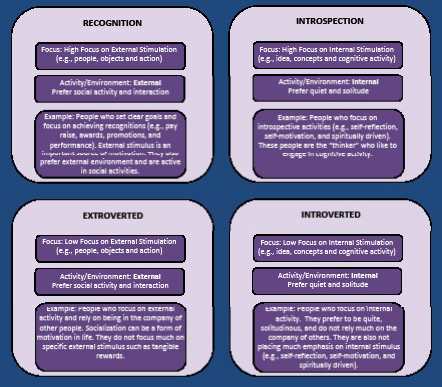
Figure 1. Descriptors of Lifestyles (Source: Adapted from the Center for Credentialing and Education, 2009).
Lifestyles in University Communities
Currently there is a lack of literature on the fundamental lifestyles of university communities during institutional transformations. Transformation measures undertaken in higher education in Malaysia aim to foster the development of academic and institutional excellence so that higher education institutions (HEIs) can fulfill their roles in meeting the nation’s developmental needs and build its stature both at home and
internationally (Ministry of Higher Education Malaysia, 2011b). Stricter KPIs are being imposed on university staff (Azizan, et al., 2012). The pressure to publish research papers, particularly in top-ranked journals, is an important facet of KPIs as it reflects recognition received by academics in local and international arenas. It is, however, unclear to what extent recognition (such as the push for publication and emphasis on KPIs) plays a role in shaping the lifestyle of the university community in Malaysia. Literature reviews show that emphasis
on external stimuli may create an unhealthy culture as “everyone is rushing to publish papers to meet the KPI… they want to be recognized internationally” and published in top-ranked journals (Azizan, et al., 2012, p.1). For this reason, empirical studies are needed to explore the types of lifestyles adopted by university communities. Investigations also need to examine the variation that may exist among the different categories of university
communities, namely higher administrators, academics, administrative officers, support staff, postgraduates and undergraduates. Such data are vital in helping HEIs keep track of staff and students’ development during higher education transformation. Based on the findings, strategic planning at the institutional level can be implemented accordingly. To fill in the literature gap, this study aims to identify the lifestyle of the university community
as a whole and also describe the lifestyle adopted by the different categories of the community. The research objectives were (1) to identify the lifestyle of the university community, and to (2) describe the lifestyle of administrators, academics, administrative officers, support staff, postgraduates and undergraduates.
Methodology
An exploratory case study method was used to conduct the investigation at a research-intensive university in Malaysia. Based on a list of staff and students at this institution, 520 targeted participants were randomly chosen as shown in Table 1. Official invitation letters, general information about the research and consent forms were sent out to all targeted participants.
Table 1
Participants in the Study
|
Participants |
|
| Categories |
Targeted |
F
|
|
% |
| Higher Administrators |
40
|
39
|
|
11.27 |
| Academic Staff |
100
|
59
|
|
17.05 |
| Administrative Officers |
100
|
38
|
|
10.98 |
| Support Staff |
100
|
68
|
|
19.65 |
| Postgraduate Students |
100
|
80
|
|
23.12 |
| Undergraduate Students |
100
|
62
|
|
17.91 |
| Total |
520
|
346 |
|
100.00 |
A total of 346 respondents voluntarily agreed to participate in this study; 39 higher administrators, 59 academic staff, 38 administrative officers, 68 support staff, 80 postgraduate students and 62 undergraduate students.
The Behavioral Management Information System (BeMIS), an online assessment and reporting tool, was used as the instrument to identify the lifestyle of the university community. The underlying instrument includes the Adjective Check List (ACL), which comprises of 300 adjectives commonly used to describe
traits that a person subscribed to and these traits can be grouped into four major lifestyles, namely recognition, introspection, introverted or extroverted (Gough & Heirbrum; 1980, 1983, 2010; Measurement and Planned Development, 2010).The validity of the instrument is well established in the literature and has been adopted
in nearly 1,000 research reports (Essentials, 2010). The reliability of the instrument was pilot tested and
established before the study began. Results showed that the satisfactory reliability with Cronbach’s alpha values ranged from 0.74 to 0.97. The BeMIS system is capable of plotting lifestyle into a four-quadrant graph (Center for Credentialing and Education, 2009). The report presents the participants’ real- and preferred-self lifestyle. Real-self refers to one’s current lifestyle while the preferred-self indicates the person’s desired lifestyle.
The data collection was completed via an online system. Each participant was provided with a password to access the BeMIS website. As such, the participants could provide responses and submit them online. The data were analyzed using BeMIS proprietary software and the results are presented as standard scores. The acceptable ranges of scores range from 40 to 60. Any score that exceeds 70 or is less than 30 is considered too extreme and reflects dissatisfaction with life (Gough & Heilbrun, 2010).
Results and Discussion
The results of this study are presented and discussed according to the two main objectives of the study, which were to identify the lifestyle of the university community as a whole and to describe the lifestyle adopted by the different subgroups of the university community.
Lifestyle of the University Community
The four-quadrant graph reveals that the university community’s lifestyle (real-self) is at the recognition quadrant whereby recognitions such as pay raises, awards, promotions and performance opportunities are very much the focus of life. The university community’s preferred lifestyle indicates that they seek higher recognition. There are indications that the community’s focus may be moving towards the introspection
quadrant (see Figure 2). As a whole, the university community is likely to set clear goals and focus on achieving targeted recognitions. Their external lifestyle also suggests that the community is currently active in social and community activities.
The scatter plot in Figure 2 demonstrates that there are variations in lifestyle adopted by the university community. Most of the respondents’ scores are within the acceptable range of 40–60, with a few notable outliers. To further examine the findings, there are needs to examine the lifestyles of the university community according to the six subgroups of participants; higher administrator, academics, administrative officers, support staff, postgraduates and undergraduates.
Lifestyle of Higher Administrators
The four-quadrant graph shows that as a whole the higher administrators’ real-self lifestyle is within the recognition quadrant (see Figure 3). Their focus on recognition is slightly above the score of 60, indicating an emphasis on recognition. Recognition may come in the form of pay raises, awards, promotions and performance opportunities. Nevertheless, the higher administrators are sociable and likely to have high profiles among the university community. Higher administrators’ focus on recognition seems to be lower in the preferred lifestyle which indicates they prefer to lower their focus on recognitions.
The scatter plot in Figure 3 demonstrates that even though there are variations in the lifestyle of higher administrators, their scores are still within the acceptable range of 40–60, except for a few outliers located at the recognition and introversion quadrants. These outliers indicate that a small number of the higher
administrators may be focusing too much on recognition. This could potentially cause dissatisfaction in life if their expectations are not met (Gough & Heilbrun, 2010). One of the higher administrator’s scores is considered extreme in introverted behavior, implying that this individual prefers to work alone, does not often self-reflect or self-motivate, and is not keen on social activities.
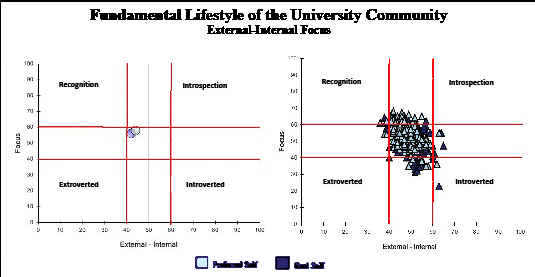
Figure 2. Fundamental Lifestyle of the University Community
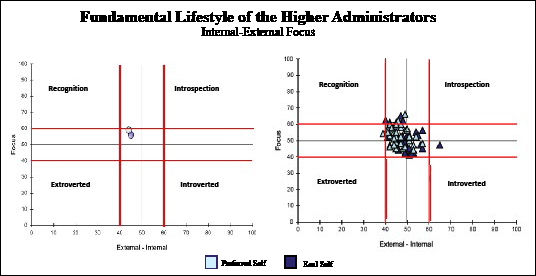
Figure 3. Lifestyle of Higher Administrators
Lifestyle of Academics
The four-quadrant graph shows that as a whole, the academics’ lifestyles, both real and preferred-self, are located at the recognition quadrant (see Figure 4). They are likely to set clear goals and focus on achieving recognitions like pay raises, awards, promotions and performance opportunities. Their emphasis on recognitions is still within the acceptable range of 40–60 and is unlikely to cause any negative impact on psychosocial wellbeing (Gough & Heilbrun, 2010). In addition, academics’ focus on an external lifestyle suggests they are active in social and community activities.
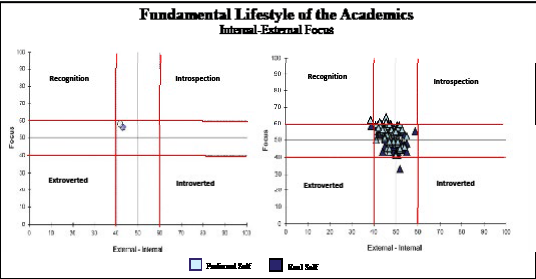
Figure 4. Lifestyle of Academics
The scatter plot in Figure 4 further demonstrates that even though academics may adopt different lifestyles, their scores are within the acceptable range of 40–60 (except for a few notable outliers).
Their extreme scores are found in the recognition and introverted quadrants. These outliers indicate that a small number of academics are focusing too much on recognition, which could potentially cause dissatisfaction in life if their expectations are not met (Gough & Heilbrun, 2010). One of the academic staff is extreme in introverted behavior suggesting that this professor prefers to work by himself, is not keen on social and community activities, and is often not engaging in introspective activities such as self-reflection, self- motivation and spirituality.
Lifestyles of Administrative Officers
The four-quadrant graph shows that as a whole the administrative officers’ real and preferred lifestyle is located at the recognition quadrant (Figure 5). Their focus on external stimuli suggests that recognitions such as pay raises, awards, promotions and performance opportunities are important sources of motivation. Their emphasis on recognitions is still within the acceptable range of 40–60, thus it is unlikely to cause negative impact (Gough & Heilbrun, 2010). Figure 5 also reveals that the officers’ lifestyle is rather external in nature.
In other words, they engage more in external activities and rely on being in the company of other people. Nevertheless, their preferred lifestyle indicates that they wish for lesser external activity.
Figure 5 shows that the administrative officers’ lifestyle distribution scattered in four different lifestyle categories. Generally, the scores for all four different lifestyles are within the acceptable range of 40–60, except for a few outliers found in the recognition and introversion quadrants. These outliers indicate that a small number of administrative staff are focusing too much on recognition which could potentially cause dissatisfaction in life if their expectations are not met (Gough & Heilbrun, 2010). One of the administrative
officers is extremely introverted in his or her lifestyle, suggesting that the officer likes to work by himself, is not keen on social or community activities, and is not much involved in self-reflection or self-motivation.
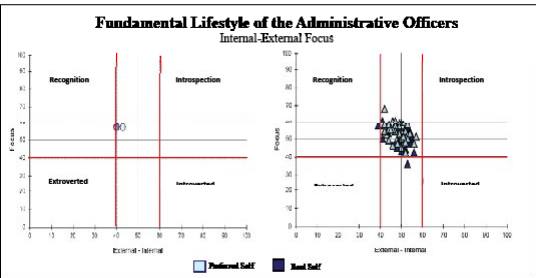
Figure 5. Lifestyle of Administrative Officers
Lifestyles of Support Staff
The four-quadrant graph shows that as a whole, the support staff’s real and preferred lifestyle is within the recognition quadrant (Figure 6). Nevertheless, the support staff appear to be active in social activities and seem to prefer higher level recognition.
The scatter plot in Figure 6 reveals that most of the support staff’s scores are within the acceptable range of 40–60, except for a few outliers located at the recognition, introspection and introverted quadrants. These outliers indicate that a small number of support staff are focusing too much on recognition which could potentially cause dissatisfaction in life if their expectations are not met (Gough & Heilbrun, 2010). Support staff with rather extreme introversion and introspection behaviors are those who prefer to work by themselves and do not like to socialize or engage in introspective activities (e.g., self-reflect).
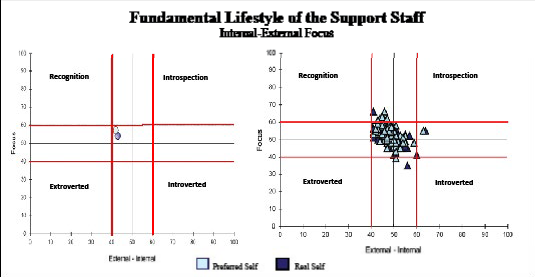
Figure 6. Lifestyle of Support Staff
Lifestyles of Postgraduate Students
The four-quadrant graph shows that as a whole the fundamental lifestyle of the postgraduate students falls into the recognition quadrant (Figure 7). The findings suggest that academic achievement, awards and recognition are important sources of motivation for the majority of students at the postgraduate level. In fact, they prefer higher recognition, as indicated by their preferred self-scores.
Figure 7 also reveals that the score distributions recorded by the postgraduate students clustered around the acceptable range of 40–60 with a slight tilt toward the introverted quadrant. A high number of postgraduate students with introverted behavior may suggest that the students tend to work in silos when seeking recognition, and students with extreme scores are not actively socializing with others. In fact, they also do not engage
much in introspective activities (e.g., self-reflection). Such a scenario may not be considered as positive in that
postgraduate students are expected to be learners who engage actively in thinking and research activities.
Lifestyles of Undergraduate Students
The four-quadrant graph shows that as a whole the undergraduate students’ lifestyle (both real- and preferred-self) is within the recognition quadrant (Figure 8).The findings suggest that academic achievement, awards and other forms of recognition are very important for the majority of undergraduate students.
The scatter plot in Figure 8 reveals that most undergraduate students’ scores clustered around the acceptable range of 40–60; however, a number of the students’ scores tilted toward the introverted quadrant. This
result shows that some undergraduate students are introverted in their lifestyle and do not engage much in
introspective activities (e.g., self-reflection).
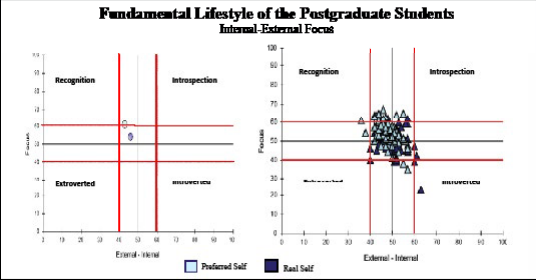
Figure 7. Lifestyle of Postgraduate Students
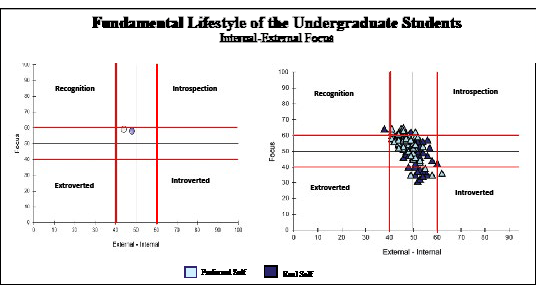
Figure 8. Lifestyle of Undergraduate Students
Summary and Conclusion
The lifestyles of the university subgroups are summarized in Figure 9. The findings reveal that the distribution of scores for three groups of participants, namely support staff, postgraduate students and undergraduate students, tilt more toward the introverted quadrant. Their inclination toward introverted behaviors seems to be higher than those holding administrative and academic positions such as administrative officers, academics and higher administrators.
In conclusion, recognitions such as pay raises, awards and promotion are very much the focus of
the university community. Past studies have indicated that recognition has a significant impact on one’s performance. It is an external stimulus to achieve a targeted goal (Ali & Ahmad, 2009; Deci, 1971; Gomez- Mejia & Balkin, 1992). Therefore, the pay system can be utilized as a mechanism to direct employees toward achieving the organization’s strategic objectives (Gomez-Mejia & Balkin, 1992). In fact, employees’ job satisfaction is significantly related to recognitions like pay raise and promotion (Ali & Ahmed, 2009). Ch’ng, Chong, and Nakesvari (2010) found that the job satisfaction of lecturers in Malaysia is related to salary and promotion opportunities. Since the appraisal and promotions system at local HEIs are based on KPIs (Azizan et al., 2012), the university staff can strategically align their goals toward achieving the institution’s targets. The implementation of KPIs can indeed create a new mindset among academic and non-academic staff (Kaur,
2012), particularly when the focus of the university community is on recognitions. In other words, it is possible to move the university community as a concerted force to attain the institution’s KPIs.
Even though recognitions can be a positive external stimulus to directly enhance the job performance of members of the university community, overemphasis on recognitions can result in dissatisfaction among staff and students if expectations regarding recognitions are not met (Gough & Heilbrun, 2010). In fact, the pressure to publish research papers, particularly in top-ranked journals, and the push to place Malaysian universities among the top 100 worldwide have caused concerns among academia (Lim & Kulasagaran, 2012). However, academia is more than publishing in journals; teaching and learning are equally crucial. Academics play
a central role in stimulating intellectual discussions and mentoring students. They must have passion and genuine interest in teaching as well as conducting research activities, and not just be driven by KPIs to achieve recognition. In order to do so, academic staff must possess internal motivation such as interests and the passion to teach, conduct research, disseminate knowledge and create innovations.
In addition, this study found that the university community prefers an external lifestyle. They are active in social and community activities, which is in line with the institution’s move toward industry and community engagement. For instance, research and consultation projects aim to fulfill societal needs. The external lifestyle also contributes to collaborative research and industrial and community engagement. Even so, there are still members of the university who are extremely introverted in their lifestyles. They prefer to work and study in silos, not becoming active in social and community activities, apart from not looking much into their inner-
self in order to self-reflect, self-motivate and self-improve. This situation is more pertinent among support staff, postgraduate and undergraduate students. These findings are not encouraging, particularly among the postgraduate students, as they are expected to be active and engaging learners.
Finally, the university should take measures to address the development of its staff. Support services need to be made available for those who feel isolated and have more introverted behaviors. Mental health support systems and counseling services also are crucial to sustain the well-being of the university community during institutional transformations.
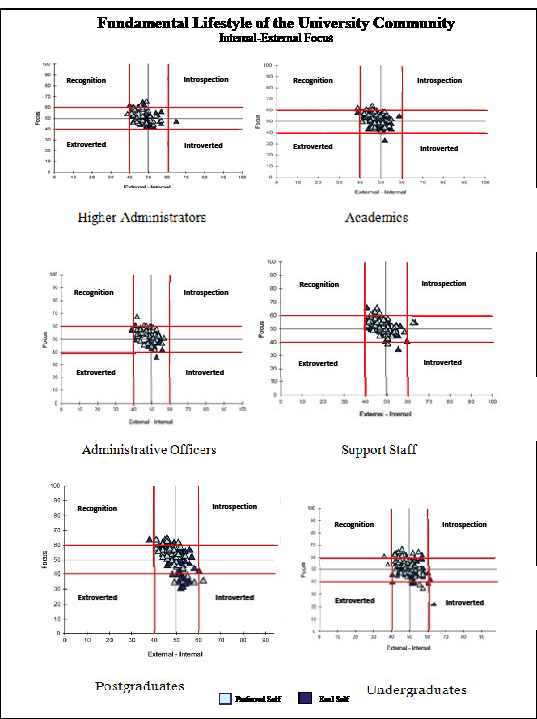
Figure 9. Lifestyles across the Subgroups of the University Community
References
Ali, R., & Ahmad, M. S. (2009). The impact of reward and recognition programs on employee’s motivation and satisfaction a co-relational study. International Review of Business Research, 5, 270–279.
Arokiasamy, A. R. (2012, June 4). The impact of globalisation on higher education in Malaysia. Retrieved from http://www.nyu.edu/classes/keefer/waoe/aroka.pdf
Azizan, H., Lim, R., & Loh, J. (2012, November 30). The KPI dilemma, The Star Online. Retrieved from
http://thestar.com.my/news/story.asp?sec=focus&file=/2010/9/26/focus/7105830
Center for Credentialing and Education. (2009). The BeMIS Personality Report for Sample Client. Greensboro, NC: Author.
Ch’ng, H. K., Chong, W. K., & Nakesvari. (2010). The satisfaction level of Penang private college lecturers.
International Journal of Trade, Economics and Finance, 1, 168–172.
Deci, E. L. (1971). Effects of externally mediated rewards on intrinsic motivation. Journal of Personality and
Social Psychology, 18, 105–115.
onesourcehealthcareers.com/1/122/files/TheAdjectiveChecklist.pdf
Gomez-Mejia, L. R., & Balkin, D. B. (1992). Determinants of faculty pay: An agency theory perspective.
Academy of Management Journal, 35, 921–955.
Gough, H. G., & Heibrum, A. B. (2010, February 28). Assess psychological traits with a full sphere of
descriptive. Retrieved fromhttp://www.mindgarden.com/products/figures/aclresearch.htmphy
Gough, H. G., & Heilbrun, A. B. (1983). The adjective check list manual: 1983 Edition. Palo Alto, CA: Consulting Psychologists Press.
Gough, H. G., & Heilbrun, A. B. (1980). The adjective Check list manual: 1980 Edition. Palo Alto, CA: Consulting Psychologists Press.
Grainge, M. J., Brugha, T. S., & Spiers, N. (2000). Social support, personality and depressive symptoms over
7 years: The health and lifestyle cohort. Social Psychiatry and Psychiatric Epidemiology, 35, 366–374. Gill, S. K. (2012, June 5). Transforming higher education through social responsibility and sustainability
across the Asian Region. Retrieved from http://www.oecd.org/dataoecd/56/36/47123532.pdf
Harcar, T., Kaynak, E., & Kucukemiroglu, O. (2004). Life style orientation of us and Canadian consumers: Are region-centric standardized marketing strategies feasible. Asia Pacific Journal of Marketing and Logistic, 20, 433–454.
Ismail, A. (2007, December). Malaysia issues on research, development, and commercialization. Paper presentation at the Regional Higher Education Conference: Strategic Choices for Higher Education Reform, Kuala Lumpur, Malaysia.
Kapur, D., & Crowley, M. (2011, August 12). Beyond the ABCs: Higher education and developing countries.
Center for Global Development. Retrieved from http://www.scribd.com/doc/23944913/Higher- Education-and-Developing-Countries
Khan, M. (2006). Consumer behaviour and advertising management. New Delhi, India: New Age
International.
Kaur, S. (2012, November 30). Playing a numbers game. Retrieved from http://thestar.com.my/education/
story.asp?file=/2009/9/6/education/4643997
Lee, J. K. (2004, August 17). Globalization and Higher Education: A South Korean Perspective. Retrieved from http://globalization.icaap.org/content/v4.1/lee.html
Levin, J. S. (2001). Public Policy, Community Colleges, and the Path to Globalization, Higher Education, 42
(2), 237–261.
Lim, R., & Kulasagaran, P. (2012, November 30). Push for rankings stirs trouble. The Star, Retrieved from
http://thestar.com.my/education/story.asp?file=/2011/8/28 /education/9383292&sec=education
Measurement and Planned Development. (2010, 19 April). Fundamental Lifestyles. Retrieved from http://www.personalitycheckup.com/html/example.html
Ministry of Higher Education. (2011a). The national higher education strategic plan: Beyond 2020. Putrajaya, Malaysia: Author.
Ministry of Higher Education. (2011b). Internationalisation policy for higher education Malaysia 2011.
Putrajaya, Malaysia: Author.
Plummer, J. T. (1974). The concept and application of life style segmentation. Journal of Marketing, 38, 33–37. Robertson, P. (2012, May 16). Lifestyle affects work for over 80% of employees. Retrieved from
www.covermagazine.co.uk/…/lifestyle-affects-80-employees
Sedikides, C., Horton, R. S., & Gregg, A. P. (2007). The why’s the limit: curtailing self-enhancement with explanatory introspection. Journal of Personality, 7, 783–824. (doi:10.1111/j.1467-6494.2007.00457.x).
Transform Higher Education to Produce Globally Competitive Workforce. (2011, August 15). Retrieved from http://www.bernama.com/bernama/v3/news_lite.php?id=513166
UNESCO. (2005). Towards knowledge societies. Paris, France: Author.
Varghese, N. V. (2009) (Ed.). Higher education reforms: Institutional restructuring in Asia. Paris, France: International Institute for Educational Planning.
Wells, W. D., & Tigert, D. J. (1971). Activities, interests and opinions. Journal of Advertising Research, 11,
27–35.
Melissa Ng Lee Yen Abdullah is a Senior Lecturer and See Ching Mey is Deputy Vice-Chancellor at the Universiti Sains Malaysia. Correspondence can be addressed to 1180 USM, Pulau Pinang, Malaysia, melissa@usm.my. Acknowledgement: The authors would like to acknowledge the financial support from RU Grant (1001/PGURU/816144) and also the assistance received from Dr. Daniel R. Collins and Dr. J. Scott Hinkle, as well as the contribution of all the AURA team members, in conducting this study.
Oct 9, 2014 | Article, Volume 2 - Issue 3
Jeffrey S. Lawley
The use of technology in counseling practice is constantly expanding, offering new tools for communication and record-keeping. These tools come with significant legal and ethical risks for counselors as well as counselor educators and supervisors. Rules from HIPAA and HITECH are discussed in relation to counselor practice. Guidelines for electronic records and communication are suggested.
Keywords: counselor education, ethical risks, supervision, technology, electronic records
In April 2005, the Security Rule of the Health Insurance Portability and Accountability Act (HIPAA; 2007) went into effect for all health care providers. New security standards (which specifically address protection of access to medical records, as opposed to privacy standards which address issues related to sharing of medical records with other entities)
are now enforced for any professional that handles electronic Protected Health Information (ePHI), including professional counselors. Some aspects of the impact of HIPAA on individuals who are practicing as independent clinicians have been addressed previously (See Benefield, Ashkanazi,& Rozensky, 2006, and Brendel & Bryan, 2004 for examples). However, many discussions of HIPAA have been aimed at other types of practitioners.
HIPAA’s rules have since been amended in a number of ways by the Health Information Technology for Economic and Clinical Health (HITECH) act, which was passed in 2009 and went into effect in February 2010. HITECH (2009) makes changes to some HIPAA rules regarding electronic security and access to ePHI. In comparison to discussions of other technological issues regarding counseling, such as online counseling (Richards, D., 2009; Rummel & Joyce, 2010), electronic security is a relatively new and sparse area in the counseling literature. The shifts in law regarding ePHI have direct effects on the way that some current counseling practices, such as e-mail interactions with clients (McDaniel, 2003), must be pursued. The question of practical implications of changing laws is made more complex by the fact that many
of these rules are written with large organizations or medical practices in mind. This can leave the individual or small group practitioner without the resources of larger practices feeling overwhelmed. Regardless, counselors are required to be aware of not only important aspects of the HIPAA security rule, but also the ways in which it is amended by HITECH. Awareness of laws regarding practice and the use of technology is part of the American Counseling Association’s (ACA;
2005) ethical guidelines regarding limitations to confidentiality and privacy in the counseling process. Counselors may wish to discuss limitations specific to electronic medical records as part of this process (Richards, M., 2009).
ePHI is defined as any Protected Health Information (PHI) that is stored on any form of electronic media, or which
is transmitted in any electronic form (e.g., fax or Internet). This would include scanned records or correspondence that
is written on a computer and then printed (Freeny, 2007). This does not include ePHI in educational records, which falls separately under the Family Educational Rights and Privacy Act (HIPAA, 2007). The security rule requires that medical professionals take measures to keep ePHI confidential and to protect it from disclosure. Additionally, counselors are
to safeguard ePHI from any “reasonably anticipated threats or hazards to the security or integrity of such information” (HIPAA, 2007, §164.306 (a) (2)).
Poorly maintained ePHI systems are a significant legal and ethical risk for counselors for a variety of reasons. This risk involves a breadth of information typically kept by counselors, including reports, case notes, billing materials, correspondence, personal notes, and research kept on electronic devices including computers, smartphones, and other electronic devices (particular issues related to smartphones and similar devices are discussed below). This is due to the expanded definition of protected health information (PHI) that HIPAA creates—virtually anything that could be traced back to a client that confirms their treatment. HIPAA defines PHI as material in any format that “relates the past, present, or future physical or mental health or condition of an individual” (HIPAA, 2007, §160.103(2)[definition of individually identifiable health information]). It also covers information that is involved in payment for these services. In order to
be categorized as ePHI, the information must be used to identify an individual—that is, de-identified information is not covered under this definition.
HIPAA includes requirements for both physical and electronic safeguarding of ePHI (or computers that store ePHI). Physical security includes access to devices on which information is kept. Tools and procedures related to physical security involving access to records will probably be familiar to most counselors. Typically, this refers to basic practices such as antivirus software and other technical practices, but additionally refers to specific access and data management practices as discussed below. Concerns related to electronic security are somewhat more complex and come with
broader implications. For example, there is little information to help counselors determine what counts as a “reasonably anticipated” (HIPAA, 2007, §164.306 (a)(2)) electronic threat.
Note that there are other areas where HIPAA may affect mental health practice in ways that may conflict with generally
accepted standards of practice or ethical guidelines, such as the fact that communication for continuity-of-care or insurance billing purposes no longer legally requires a release. This discussion falls out of the area of focus of this article, which is on the specific effects of the security rule on counseling practice. (A general discussion of HIPAA issues affecting counselors can be found in Freeburg & McCaughan, 2008).
Ethics, Law and Client Files
Counselors will be happy to learn that there are few significant conflicts between counseling ethics (ACA, 2005) and law in regards to ePHI. Differences are typically found when ethics codes within the mental health profession do not address issues that are addressed by HIPAA and HITECH. For example, general guidelines for the protection of client records are discussed in the most recent ethics code of the American Counseling Association (ACA, 2005). However, these guidelines focus more on a general need to keep confidentiality and possible reasons for breaking confidentiality. The code does not suggest specific guidelines for keeping electronic records, but only notes that “records are kept in
a secure location and that only authorized persons have access to records” (ACA, 2005, Standard B.6.a). No specific measures regarding ways to manage confidentiality, security or privacy of ePHI are offered. HIPAA and HITECH lay out a number of details in addition to this general rule.
Data Backups
One primary concern not applicable to paper records is the legal requirement to keep an easily accessible, but equally secure and encrypted, backup of all ePHI (HIPAA, 2007, §164.308, (7)(ii)(a): an entity must “establish and implement procedures to create and maintain retrievable exact copies of electronic protected health information”). Since this guideline is meant as part of a disaster recovery plan, assuming loss of all data in a counselor’s office, this backup may often be kept offsite. That is, an additional secure location outside of the office is now necessary. With this rule and the advent of nominally secure and easily accessible cloud backup services, the variables defining a “secure location” have changed significantly since HIPAA was established.
Counselors may be tempted to use an online backup service as an offsite backup, and can be aided by provisions of HIPAA and HITECH in making a choice between an offsite physical backup in an additional secure location and the use of an online backup service. Under HIPAA and HITECH, the appropriateness of online backup can be somewhat murky. Separate encryption of data on the local computer (as required by HITECH, see below) before sending the data over an encrypted connection to an online service may alleviate this concern. Before using any cloud backup solution, counselors
should determine whether the company meets a brief checklist of requirements (see Table 1). There are a number of online backup services, marketed towards healthcare professionals, which describe themselves as “HIPAA-compliant.” However, this does not have a technical meaning—there is no certification for HIPAA compliance regarding client data backup services. It is the responsibility of the counselor or designated individual in a group practice to ensure that online backup meets HIPAA and HITECH requirements.
Table 1
Quick Checklist for Online Backup
HIPAA and HITECH require the counselor to be able to access accurate and current copies of all ePHI at any time, even in
the event of a disaster that destroys copies located in a counselor’s office. Some forms of cloud storage may be an option
if they meet the following minimum requirements, which can typically be ascertained by reading a site’s terms of service:
• Data is monitored for changes and backed up immediately
• Client-side software can be set up in such a way that unauthorized individuals cannot access data
• Data is transmitted over an encrypted connection (e.g., https connections)
• Documentation of physically secure storage; some services have multiple backup locations
• Data cannot be accessed by staff at storage site under any circumstances, including a court order
• Data is encrypted before transmission with at least 256-bit encryption (e.g., encryption is automatically performed client-side by the client software). Alternatively, data can be encrypted manually by the counselor before backup
• (optional) Two-factor authentication (requiring a USB key or other secondary “token” to access archived data)
Most popular cloud storage services advertise secure online backup with varying levels of encryption. However, these services are not all created equally and in many cases their process does not meet minimum standards. While transmission is typically encrypted as required by HIPAA, information stored by these services is not necessarily secure. Information may be encrypted at a physically secure site, but some services do have the technical ability to access any ePHI that is stored with them. For example, the terms of service at Dropbox, a popular backup and syncing service, state that:
We may disclose to parties outside Dropbox files stored in your Dropbox and information about you that
we collect when we have a good faith belief that disclosure is reasonably necessary to (a) comply with
a law, regulation or compulsory legal request; (b) protect the safety of any person from death or serious bodily injury; (c) prevent fraud or abuse of Dropbox or its users; or (d) to protect Dropbox’s property rights. If we provide your Dropbox files to a law enforcement agency as set forth above, we will remove Dropbox’s encryption from the files before providing them to law enforcement. However, Dropbox will not be able to decrypt any files that you encrypted prior to storing them on Dropbox (Dropbox, 2011, section 3, para 4).
This means that someone other than the counselor or a designated individual could access ePHI. For example, if a counselor is involved in a lawsuit, a court order could cause the online storage company to disclose unencrypted ePHI without input from the counselor. However, as noted, they are not able to decrypt any information that the counselor encrypts before backing up, as suggested by HITECH. In most cases, counselors must ensure that data is encrypted before being sent to any such service. Counselors also are cautioned to pay close attention to the privacy policies at any backup service that they might use; many are less specific than the example above but still allow for the possibility of decrypting and releasing data with a court order.
Counselors also should note that there are other backup services that offer what is called user or client-side encryption. ePHI is encrypted before it leaves the counselor’s computer, and no individual at the physical storage site can access the information. This protects the counselor, as they cannot provide any information about data that they are storing for the counselor. It is important to note that this does not mean that information on the counselor’s own computer is encrypted.
Communication of Client Information
HIPAA also addresses the transmission of ePHI via electronic methods such as e-mail. The law states that medical professionals must have some sort of measure to “guard against unauthorized access to electronic protected health information that is being transmitted over an electronic communications network” (HIPAA, 2007, § 164.312(e) (1)) such as the Internet. Similar language regarding secure electronic communication is found in the ACA ethics code. It is important for counselors to be aware of this requirement, as communication with clients via e-mail or other online
communication is likely to become more common for general communication as well as therapeutic tasks. As an example, McDaniel (2003) discusses the benefits of having clients e-mail weekly journals to their clinicians. This work was published before the HIPAA security rule went into effect and the general idea is certainly no less useful today. However, the online transmission of identifiable material directly related to clinical work certainly falls under the legal guidelines discussed here. While in most cases clients are clearly giving permission for counselors to correspond via e-mail or by other means such as videoconferencing or online chat (Haberstroh et al., 2008), the laws regarding secure electronic transmission still apply. It is important to note that the counselor is not liable for encryption or safety of material on
the receiving end of the transmission (HITECH). This problem could be solved by using an e-mail service that forces encryption before transmission, an option available through most e-mail services. As indicated in the ACA ethics code,
if online communication is utilized by a counselor, they should indicate the limitations of this method of communication in regards to the possible insecurity of online communication and encourage the client to take similar precautions when sending messages to the counselor.
Loss of Data or Involuntary Breaches of Confidentiality
One aspect of the care of ePHI that is not completely addressed by HIPAA or the most recent ethical codes is what should happen when ePHI is accessed inappropriately. For example, there is no specific guideline in the ACA ethics code indicating that clients should be notified when their files are accessed. It is up to the individual counselor to determine what to do if a client’s paper file is stolen. HITECH has changed this in regards to ePHI, however. The law requires medical professionals to have a specific plan in place to notify affected clients in the case of a breach of unprotected (e.g., unencrypted) electronic information—and to immediately notify the Secretary of Health and Human Services (HHS) if
the breach involves more than 500 individual clients. At first glance this may seem like a large number, especially for an individual in private practice. However, any practicing individual who has used electronic records for some time will have at least this many case files over the lengthy period (often at least seven years) in which documentation may be kept. This means that if an unprotected backup of ePHI is stolen, the counselor is responsible for notifying every individual whose identity may be compromised within 60 days. There are no ethical or legal requirements for disclosure after the loss of encrypted data, leaving it to the counselor to choose whom to notify.
Case Notes and Assessment Data
Another important ethical question that presents itself regarding ePHI involves unique types of medical information that are typically handled by counselors. Counselors may handle some types of information that have differing practical and legal status than “traditional” medical records, including case notes and testing material. Case notes have historically enjoyed nearly absolute privacy protection in the United States (Mosher & Swire, 2002) and are specifically addressed
in HIPAA. They continue to retain expanded protection under current law, requiring a separate release when they are accessible at all (see Hixson & Hunt-Unruh, 2008). These include the type of separate notes that some counselors keep separately from the patient file and specific to the counseling process. They include observations, inferences and conceptualizations of the client; however, typical case notes including such information as diagnosis, prognosis, and changes in symptoms, etc. are not covered under this expanded protection (HIPAA, 2007).
The case of assessment records, particularly raw data, is somewhat murkier. The general idea is that data may be misused or misinterpreted by individuals who are not trained in interpretation of test data, in addition to concerns about
the security of test instruments themselves (Committee on Legal Issues, 2006). Given the historical view of the fields of psychology (Committee on Legal Issues, 1996) and the current view of counseling (ACA, 2005) on the security of test data, particularly raw data, one might expect assessment data to be separated in a manner similar to case notes in regards to release of the information. However, rules in HIPAA regarding test data state that a client can choose to sign their entire medical record (sans case notes) to any third party (HIPAA, 2007). While HIPAA allows the medical professional to exclude certain information based on client safety, or if the counselor obtained the information under separate release from another practice, possible misuse of test data is not an acceptable reason to exclude portions of a counselor’s
record (Erard, 2004). There are no stipulations in HITECH that change this. However, ACA’s 2005 ethics code is clear in its statement that “[test] data are released only to persons recognized by counselors as qualified to interpret the data” (Standard E.4). This is the most significant difference between the ACA ethics code and current law.
Online assessment and treatment is another activity that counselors may not have considered when reviewing the impact of law on their practice. A growing number of therapists, for example, are using online tools for various tasks such as career assessment (Gysbers, Heppner, & Johnston, 2009), and are starting to pursue online counseling activities (Haberstroh et al., 2008). This information is typically stored on computers that belong to the test owner, not the counselor, and the counselor is not directly responsible for information on these machines. However, counselors have an ethical responsibility to ensure the integrity of the website that a client may use for such an assessment. The ACA ethics
code specifically addresses this issue by stating that counselors should be aware of the limitations of online activities and
share this information with the client. It also discusses guidelines for supervision of online activities (ACA, 2005). This is a relatively new area of practice that is not covered by HIPAA or the more recent HITECH. However, the same care should be taken with any information downloaded from these sites as with any other ePHI.
A Note About Smartphones
It also is important to note that as “alternative” (and easily lost) computing devices such as smartphones and tablet computers become more common, counselors are likely to use these to monitor and keep client records as well. Most cloud storage systems offer mobile applications for smartphones, or have websites that may be accessed by smartphones. Additionally, there are a number of smartphone tools designed to assess symptoms or help a client keep a journal. As a part of informed consent in treatment, clients should be reminded of the risk of keeping such information on their phone. At the current time, it is not advisable to use smartphones or tablet devices to access ePHI unless it is being accessed
over a secure network and then deleted (e.g., information is accessed through a local network or virtual private network). Often, information such as this may be cached on the device and accessible if the device is stolen or lost. Counselors also should be encouraged to utilize a passcode on these devices, as required under the rules regarding computer access under HITECH.
Finally, counselors should take care to monitor the security of any messaging that they use on their phone. While
secure e-mail can be configured on most smartphones, there is no way to secure a text message and clients must be informed of this risk if text messaging is used as a form of communication between counselor and client. (For good examples of situations where text messaging may be a productive tool in counseling, see Agyapong, Farren, & McLoughlin, 2011, and Suffoletto, Callaway, Kristan, Kraemer, & Clark, 2012).
Practice Guidelines
Access Policies and Documentation
Counselors are responsible for a number of procedural issues regarding “live” practice. The organization is required to have a designated individual who is responsible for ensuring the practice meets legal guidelines regarding records as well as other issues. In solo practices, this would mean the individual counselor. In group practices, this person needs to
be readily identifiable and does not have to be a licensed individual, or someone who is an active counselor in the practice. The practice also must have a manual of procedures regarding such things as password policies, access policies, standards regarding computer security, instructions for encryption and storage of files, and documentation that everyone in the office has been kept up to date on these policies. This is not an exhaustive list, but indicative of the types of information that
need to be covered and readily available in the case of an audit. “Case notes” also are required for this list of procedures,
documenting changes to these policies as they are made (HIPAA, 2007).
Not only must counselors have general physical safeguards in place, there must be policies specific to physical access
to any computers that can access or modify records. Controlled access to individual machines is required, including user-specific logins with passwords and automated logoff in case an individual leaves their desk and forgets to log off. Counselors should be encouraged in particular to pay close attention to their password policies (see Proctor, Lien, Vu, Schultz, & Salvendy, 2002).
Ideally, in small group practices each individual will have their own computer which is only accessible using their personal login. If more than one counselor uses a computer, the counselor must be able to show that individuals who should not be able to access certain information are not able to do so. For example, in many situations graduate counseling students might access services through a college counseling center. If some of their peers work at this site, steps would need to be taken to ensure that they do not have access to these files. In another case, in many areas with less access to counseling services, an individual with a close relationship to one counselor may be seeing another individual in the practice. Depending on the nature of a practice’s electronic records, keeping a separate individual paper file may be
easier than modifying ePHI procedures to account for this type of issue. Another alternative might be to keep a file on a
counselor’s individual computer, if records are kept on a central storage device or server.
Encryption
Although not specifically addressed by ethical standards, encryption of electronic files is encouraged by relevant law. This concerns not only local files, but also offsite backups. According to HIPAA, an electronic file had to be kept in such a way that it was not able to be modified by unauthorized individuals. This could be interpreted as encryption, but controlled access to computers technically counted as this type of protection. HITECH, however, encourages medical professionals
to encrypt all local data. In addition to the required notification discussed above, fines of up to $50,000 (per incident) have been instated for loss of client data. As noted, notification of clients or the department of HHS is not legally required for the loss of adequately encrypted data, and it is up to the counselor to create a policy regarding notification to clients of
loss of encrypted data. The current ACA ethics code does not specifically address encryption or backup of ePHI.
Additional HITECH Practice Guidelines
There are other changes in HITECH that will affect counseling practice that are not specifically related to the use of electronic records. HIPAA and HITECH also have guidelines regarding what are labeled as “business associates.” Counselors may occasionally share information regarding clients with other individuals or agencies in order to assist with such activities as billing or collections. This information is part of a client’s PHI. As such, it is the responsibility of the counselor to create a contract with this “business associate” that includes language stating that the associate also will maintain HITECH-compliant security (similar to HIPAA, but including rules regarding encryption, etc.) related to any
information that the counselor shares with this agency. The counselor is presumably, but not specifically, also responsible for ensuring that the other agency has some awareness of security requirements for ePHI. The counselor is not, however, responsible for monitoring this other agency and is not responsible for data lost by this other agency (HIPAA, 2007; HITECH, 2009).
HITECH has made some changes in regards to the provision of records to the client and to insurance companies. Clients must be provided with a complete copy of their records upon request at “reasonable” cost—if the counselor charges any amount for release of records, ePHI must be shared with only a reasonable cost of labor. Clients also have the right to records about the sharing of records with other entities for up to three years. This means that in addition to typical record-keeping, counselors also must keep some sort of receipt or other notes indicating exactly what information has been shared with others, such as providers or insurance companies.
Finally, while this was an existing ethical requirement (ACA, 2005), counselors are now legally allowed to share only the minimum necessary amount of information in order to meet the needs of the other agency or individual who is requesting the information. For example, records shared with another entity such as an insurance company should involve only the information necessary for the insurance company to be able to appropriately bill for services. HITECH clarifies
that the counselor is the individual who is allowed to make the determination of the minimum amount of necessary information. The counselor might find it helpful to have a few treatment summary templates for sharing with other entities such as schools, where all of the information in a child’s file is not necessarily relevant to the other entity. Additionally, counselors may, at the client’s request, withhold treatment information from insurance companies if the client pays out
of pocket for services. For example, if the client wishes that their insurance company or employer not know about their treatment for a specific issue (e.g., substance abuse), the counselor may see the client at any rate they choose and keep this information secure (HITECH, 2009).
Summary and Implications for Professional Counselors
While most counselors are at this point aware of changes necessary to remain in compliance with the HIPAA security
and privacy rules, HITECH has changed some aspects of practice again, in some cases significantly. Of particular impact for counselors are rules involving encryption, fines for loss of unencrypted data and changes in rules regarding communication with other individuals involved in a client’s care. It is notable that rules regarding ePHI are in many ways more restrictive than those involving management of traditional paper files, requiring encryption, offsite backups and other safeguards that were not even possible with paper. However, it can be argued that ePHI carries significantly more risk of loss than traditional paper records, as it is much easier to obtain large amounts of information off of an unguarded computer than from a file cabinet. It also is important to note that as of yet, aside from a few prominent cases involving the loss of data, there is little or no case law regarding the specifics of HIPAA implementation—that is, even the best guides are not yet able to state the best way to do this “right.” For example, there are no specific encryption standards, although there are industry standards that can be used as a rough guide. Significant implications for counselors are summarized in Table 2.
Table 2
Significant Implications for Counselors, Counselor Educators, and Supervisors
HITECH, the cloud, and electronic records modify the meaning of technological competence in counseling in many ways.
Below are some significant practical implications for practice and training in counseling:
• Continuing education programs and graduate coursework need to address ePHI and the differences between requirements for electronic and paper records; even counselors who do not utilize electronic records likely utilize electronic communication with clients
• Awareness of technological issues, such as the limitations of cloud backup, strong password generation, and the basics of how encryption works, is crucial for counselors
• Counselors need to be able to explain to clients the limitations of electronic communication and include any relevant limitations on their statements of practice and other informed consent materials
• Mobile technology such as SMS (text messaging) is coming into greater use in counseling, but ethical and legal guidelines for these methods do not yet exist. SMS in particular may not technically meet legal requirements but is utilized with good effect in recent research (Aguilera & Muñoz, 2011)
• If counselors use smartphone apps in their practice, they need to be able to explain ways to keep clients’
smartphones secure (e.g., instructing a client in how to create a PIN lock on an iPhone or iPod).
• Existing ethical guidelines need to specifically address electronic tools that are used in counseling
• “Current best practice” in technology changes much faster than in counseling. Limiting one’s exposure to changes in technology to an occasional CE program is not advisable.
• Supervisors have added responsibility, as they can be seen as the best way to propagate this information
• Counselors may find it helpful to seek out a dependable “technology supervisor” with whom they can
consult on issues related to technology
There appear to be few conflicts between the new law and the current ACA ethics code. In fact, the law addresses
some things that the current ethics code does not. The next revision of the ethics code would do well to cover some issues related to electronic communication and record-keeping in addition to its guidelines on the use of online counseling services and tools. Counselors would benefit from guidelines regarding whom to notify in the case of data loss, and may be well advised to pursue encryption of any ePHI that they handle within their practice. Counselors also would benefit from guidelines regarding awareness of current issues regarding electronic security, such as good password policies and the use of “smart” handheld devices for data access. Guidelines regarding the backup of ePHI may be of assistance to counselors who are attempting to utilize online services.
Finally, CACREP (2009) guidelines for counselor training include the need of counselor educators to show that they are teaching their students about the ways that technology is changing counseling. Discussion of issues regarding ePHI should be clearly evident in training programs, specifically in ethics courses, practica, and internship. For counselor educators, these points may be easiest to integrate into existing ethics courses. While these discussions are often centered on the use of online tools as described in the current ethics code, the growing use of ePHI in the medical and mental health communities may be the most important change that technology has yet brought to the field.
References
Aguilera, A., & Muñoz, R. F. (2011). Text messaging as an adjunct to CBT in low-income populations: A usability and feasibility pilot study. Professional Psychology: Research and Practice, 42, 472–478. doi:10.1037/a0025499
Agyapong, V. I. O., Farren, C. K., & McLoughlin, D. M. (2011). Mobile phone text message interventions in psychiatry—
What are the possibilities? Current Psychiatry Reviews, 7, 50–56.
American Counseling Association (2005). ACA code of ethics. Alexandria, VA: Author.
Benefield, H., Ashkanazi, G., & Rozensky, R. H. (2006). Communication and records: HIPAA issues when working in
health care settings. Professional Psychology: Research and Practice, 37, 273–277.
Brendel, R. W., & Bryan, E. (2004). HIPAA for psychiatrists. Harvard Review of Psychiatry, 12, 177–183.
Committee on Legal Issues. (1996). Strategies for private practitioners coping with subpoenas or compelled testimony for client records or test data. Professional Psychology: Research and Practice, 27, 245–251.
Committee on Legal Issues. (2006). Strategies for private practitioners coping with subpoenas or compelled testimony for client records or test data. Professional Psychology: Research and Practice, 37, 215–222.
Council for Accreditation of Counseling and Related Educational Programs. (2009). CACREP 2009 standards. Retrieved from http://www.cacrep.org/
Dropbox. (2011, July). Dropbox privacy policy. Retrieved from http://www.dropbox.com/privacy
Erard, R. E. (2004). Release of test data under the 2002 ethics code and the HIPAA privacy rule: A raw deal or just a half- baked idea? Journal of Personality Assessment, 82, 23–30.
Freeburg, M., & McCaughan, A. (2008). HIPAA for dummies: A practitioner’s guide. In G. R. Walz, J. C. Bleuer, & R. K.
Yep (Eds.), Compelling counseling interventions: Celebrating VISTAS’ fifth anniversary (pp. 305–312). Alexandria, VA: American Counseling Association.
Freeny, M. (2007). Whatever happened to clinical privacy? Annals of the American Psychotherapy Association, 10, 13–17. Gysbers, N. C., Heppner, M. J., & Johnston, J. A. (2009). Career counseling: Contexts, processes, and techniques (3rd
ed.). Alexandria, VA: American Counseling Association.
Haberstroh, S., Parr, G., Bradley, L., Morgan-Fleming, B., & Gee, R. (2008). Facilitating online counseling: perspectives from counselors in training. Journal of Counseling and Development, 86, 460–470.
Health Information Technology for Economic and Clinical Health (HITECH) Act, 42 U.S.C. §§300jj et seq.; §§17901 et seq. (2009).
Health Insurance Portability and Accountability Act, 45 C.F.R. § 164 (2007). Retrieved from http://www.access.gpo.gov/nara/cfr/waisidx_07/45cfr164_07.html
Hixson, R., & Hunt-Unruh, D. (2008). Demystifying HIPAA. Annals of the American Psychotherapy Association,
11, 10–14.
McDaniel, S. H. (2003). E-mail communication as an adjunct to systemic psychotherapy. Journal of Systemic Therapies,
22, 4–13.
Mosher, P. W., & Swire, P. P. (2002). The legal and ethical implications of Jaffee v. Redmond and the HIPAA medical privacy rule for psychotherapy and general psychiatry. Psychiatric Clinics of North America, 25, 575–584.
Proctor, R. W., Lien, M. -C., Vu, K. -P., Schultz, E. E., & Salvendy, G. (2002). Improving computer security for
authentication of users: Influence of protective password restrictions. Behavior Research Methods, Instruments,
& Computers, 34, 163–169.
Richards, D. (2009). Features and benefits of online counseling: Trinity College online mental health community. British
Journal of Guidance and Counseling, 37, 231–242.
Richards, M. M. (2009). Electronic medical records: Confidentiality issues in the time of HIPAA. Professional
Psychology: Research and Practice, 40, 550–556.
Rummell, C. M., & Joyce, N. R. (2010). “So wat do u want to wrk on 2day?”: The ethical implications of online counseling. Ethics & Behavior, 20, 482–496.
Suffoletto, B., Callaway, C., Kristan, J., Kraemer, K., & Clark, D. B. (2012). Text-message-based drinking assessments and brief interventions for young adults discharged from the emergency department. Alcoholism: Clinical and Experimental Research, 26, 552–560.
Jeffrey S. Lawley is an Assistant Professor at Louisiana State University-Shreveport. Correspondence can be addressed to Jeffrey S. Lawley, Louisiana State University-Shreveport, 1 University Place, BE Building 348, Shreveport, LA 71115, jslawley@gmail.com.
Oct 8, 2014 | Article, Volume 2 - Issue 3
Martha Nodar
Growing up in a thwarted relationship with a father perceived as lacking in meeting the basic nurturing needs of the father-son relationship disrupts a boy’s normative development and may leave him fixated in a regressive state. This also impacts the mother-son relationship. This paper uncovers obscure layers of the male psyche and argues that a regressive state renders the grown man highly susceptible to developing narcissistic tendencies in adulthood. These tendencies are likely to affect interpersonal relationships including impotence and sexual performance with women. Implications for psychodynamic counseling and clinical supervision are discussed.
Keywords: narcissistic tendencies, father-son relationship, impotence, psychodynamic counseling, clinical supervision
Holmes (1999) submits that the quality of the parent-child relationship tends to be the template by which the realm of other relationships would fall. The father-son dynamic in particular appears to have an impact on the relationships boys develop with themselves and others, including their adult male-female relationships (Goss, 2006; Herzog, 2001; Jacobs,
1977). Extensive research on this subject led Herzog (2001) to contend that the quality of the relationship a father or a
father figure may develop with his children is crucial in the children’s developmental landscape. Herzog (2001) coined
the term “father-hunger” to explicitly depict a child’s yearning for his or her father’s nurturing (p.21). Herzog (2001) adds that father hunger “is an affective state experienced when the father is felt to be absent” (p. 51). While Herzog concedes that this yearning for a father’s availability applies to both sons and daughters, he suggests this sense of longing is far more prevalent with and processed differently by boys. A plausible explanation may be found in how girls experience
their relationship with their fathers as separate from the one they have with their mothers—which is not the case with boys
(Gauthier, 2010).
Following Freud’s earlier arguments, Gauthier (2010) proposes that boys expect to be rescued by their fathers from what they perceive to be their mothers’ propensity toward engulfment, but they (the fathers) also lead the boys “back to mother, at a new relational level” (p. 116). This new relational level proposed by Gauthier should distinguish the mother’s self from her son’s self. It should be noted that girls do not need their fathers to rescue them from their mothers as they innately want to identify with them (Hall, 1954).
Gauthier (2010) extends Herzog’s (2001) arguments on father-hunger and argues that father-hunger in boys not only includes the quality of the relationship a son may have with his father, but also encompasses the relationship a boy perceives to be between his mother and his father as a couple, as well as his own place in the triad: father-son-mother. Moreover, a boy whose father or father figure is consistently absent (physically, emotionally, or both) is more likely
to perceive his mother as the responsible agent for his father’s absence, which would in turn impact the mother-son relationship (Gauthier, 2010).
In his successive work, Herzog (2010) came to recognize this phenomenon—how boys react to the relationship of parents together as a couple—and added this dynamic to his repertoire as “a father-hunger and a father-and-mother- together hunger” (p. 112). Although a father-and-mother-together hunger may be experienced by both boys and girls, it appears to have the most impact on boys’ development. The father-and-mother-together hunger refers to an emotional yearning for the metaphorical union of both parents and the fusion of the parents with the child (enmeshment). In
other words, with the help of fathers, mothers learn to appreciate their sons’ right to their own perspectives, which
may be different than their own. When fathers fail to help their sons separate from their mothers, boys tend to develop enmeshment with both parents (Gauthier, 2010). Enmeshment can be explained by the notion that clinging is typically a reaction to perceived distancing from a significant other.
Boys who have father-hunger tend to unconsciously enmesh with both parents as a couple perceiving their fathers as unavailable and their mothers as engulfing. Herzog (2010) suggests that how this “parental alliance” is perceived by boys plays a major role in the child’s “optimal development . . . of the concept of the self” (p. 111). The concept of the self refers to the level of differentiation children may develop with separate feelings and thoughts from those of their parents (Kerr & Bowen, 1988). Differentiation of the self exists on a continuum with the authentic self at one end of the spectrum and the grandiose (pseudo) self at the other end (Kerr & Bowen, 1988).
Father-Hunger Scale
Perrin, Baker, Romelus, Jones, and Heesacker (2009) measured the impact of father-hunger in young adults and assessed the validity and reliability of Baker’s (2000) Father-Hunger Scale by recruiting two different groups of participants, male and female college students. Their findings led Perrin and colleagues to deem the Father-Hunger Scale with a high level of construct validity and as an effective tool to assess the degree of father-hunger in an individual. Furthermore, the researchers concluded that the “Father Hunger Scale provides an empirical basis from which researchers can investigate the role that may be played by one’s psychological longing for a greater connection with a father” as it relates to one’s overall functioning (Perrin et al., 2009, p. 323).
In addition, grounded in his clinical work, Herzog (2001, 2009, 2010) found a correlation between father-hunger in boys and a propensity to develop narcissistic tendencies observed in adulthood as a defense mechanism to earlier unmet needs. Narcissism refers to the tendency for feelings of grandiosity and “is exemplified by the devaluation of others
and the idealization of oneself” (Luchner, Moser, Mirsalimi, & Jones, 2008, p. 2). Idealization of oneself is grounded in pseudo self-esteem versus genuine self-esteem. Someone with pseudo self-esteem has a propensity toward bestowing upon oneself attributes that may not be consistent with reality. Although both males and females may develop narcissistic tendencies as the result of father-hunger, Herzog (2010), Gauthier (2010), and Goss (2006) claim that there is a higher susceptibility and propensity for males to develop narcissistic characteristics in comparison to females. They speculate that the triggering point for this phenomenon (narcissistic tendencies) may be rooted in how boys process and experience father-hunger (intrapsychic phenomenon and fusion with parents), which may have lifetime effects. Feeling entitled to receive endless admiration from others as an adult is an example of a narcissistic tendency generated to compensate for having felt unloved during childhood. A man who holds unmet dependency needs (unfulfilled nurturing) is likely to be enmeshed with his family of origin and has a poorly differentiated self in contrast to having an authentic self (Kerr & Bowen, 1988).
For instance, a man who may be primarily driven by his unacknowledged and unmet dependency needs related to his family-of-origin may be unconsciously prompted to choose a profession or a mate likely to be approved by his family as the primary criteria while ignoring his own heart. Going against both the spoken and unspoken family rules may not be perceived as safe because it may threaten the status quo and may render the man feeling emotionally, if not physically, isolated from his family-of-origin. This is an example of enmeshment—a blur of boundaries between oneself and another person. This creates a gap within the grown man between wanting to please his family and ignoring his own feelings and thoughts, thus creating an internal vacuum that tends to be filled by narcissistic tendencies.
When being genuine does not produce the acceptance one needs from one’s family, there is a tendency toward
artificially generating a self that is perceived to be better than others in a futile attempt to increase the chances one would
feel accepted (Solomon, 1989). Pseudo self is the result of earlier narcissistic injuries. Narcissistic injuries refer to the losses and disappointments experienced or perceived at an early age, such as the loss of unmet expectations, approval, or unfulfilled dreams (Viorst, 1986). And, yet, Viorst suggests these are necessary losses that are called upon to be
reconciled in adulthood to achieve personal growth. Some men are not willing to accept the vulnerability that comes with experiencing losses. Viorst (1986) emphasizes that losses are inevitable and constitute “the course of a normal life” (p.
61).
Unhealthy compensation for the vulnerability to experiencing losses may involve certain behavioral patterns, such as feeling one is always right and others are always wrong; the inability to feel empathy for others, and feeling entitled to receiving admiration from others even when others are perceived as defective compared to oneself (Kealy & Rasmussen,
2012; Solomon, 1989). Narcissistic tendencies (pseudo self-esteem) are likely to prevent the development of an authentic self (genuine self-esteem) (Kerr & Bowen, 1988). Kerr and Bowen designed the Differentiation of Self Scale to assess where one falls in the differentiation of self spectrum, between genuine and pseudo self.
Differentiation of Self Scale
Jankowski and Hooper (2012) retested the efficacy of the Differentiation of Self Inventory (DSI; Skowron & Friedlander, 1998) using 749 male and female college students whose average age was 21, representing different ethnic backgrounds. Jankowski and Hooper found evidence of both construct and divergent validity in the concept of differentiation. Those who rate the lowest in the differentiation scale are more likely to develop a fragile self, have narcissistic tendencies, and engage in maladaptive coping strategies (Kerr & Bowen, 1988). Examples of maladaptive coping strategies include extreme self-centeredness, pervasive feelings of grandiosity, lack of empathy for others, and
blaming someone else for one’s own struggles in an effort to diffuse feelings of inadequacy, loss and rage (Jacobs, 1977).
Narcissistic Tendencies
To the extent that maladaptive coping strategies may be intended to protect one’s fragile self by diminishing others in the process, it is more likely that they would fall under the realm of pathological narcissistic tendencies (Solomon, 1989). Solomon suggests that narcissism exists in a continuum ranging from a natural, innate drive to look after one’s own self- preservation at one end of the spectrum to a pathological demand for admiration from others at any cost at the other end. It is the narcissism found toward this pervasive end of the spectrum that is considered pathological and tends to bring havoc to both intrapersonal and interpersonal relationships (Jacobs, 1977). Jacobs believes that pathological narcissistic tendencies coupled with a tendency to view one’s mother as a powerful figure capable of interfering in the relationship between a son and his father are the underpinning variables mediating secondary male impotence. Jacobs examines how this dynamic impacts the sexual relationship between a man and his significant female partner.
The Impotent King Syndrome
While some of the factors triggering primary male impotence may be the man’s age, illnesses, substance abuse or medications, secondary impotence is believed to be most likely triggered by psychological variables, such as feelings of inadequacy, revenge and grandiose self-concept (Jacobs, 1977). Jacobs has come up with the term impotent king to describe a man with psychic impotence whose narcissistic tendencies may be keeping him from emotional and sexual
maturity. Jacobs attributes the dilemma of psychic impotence to motivation in maintaining “sexual immaturity” (p. 97).
A man may secretly want to remain a child to recapture what he thinks he lost in his childhood—his uniqueness and own
sense of self-value (Jacobs, 1977).
Grounded in his clinical experience, Jacobs (1977) submits that the impotent king is typically involved in a “dominant- submissive relationship” with his female sexual partner—placing the man in the dominant role during coitus (p. 101). Fixated in a regressive state, he is now trying to recapture the powerlessness he felt growing up. While very concerned with his own needs, sexual and otherwise, the impotent king tends to disregard his partner’s needs. A woman needs to feel she is important to her man; that he is committed to the relationship. Blaming his secondary impotence on her takes a toll on her emotionally. In an effort to compensate for her unmet emotional needs she may cling to him, much like he may
cling to his parents’ approval.
Her clinging and compensatory over-functioning reminds him of his perceived engulfing mother. A man cannot
make love to his mother; thus, he develops impotence. Except that instead of focusing in his own issues with impotence, he turns his attention to his female partner, his wife in most instances, and blames her for it, paralleling the way he
might have blamed his mother for his father’s absence. Whereas the impotent king tends to be passive-dependent, he unconsciously pairs up with a woman who may be aggressive-dependent and have motherly overtones (Jacobs, 1977). He selects a woman with these characteristics because she reminds him of his mother, and at the same time, he resents her for the same reason (Jacobs, 1977).
No doubt, the impotent king may be aware of his female partner’s sexual needs. Thus, his impotence “may serve as an oblique outlet for the husband’s covert hostility triggered by the wife’s dominance” (Jacobs, 1977, p. 101). Riveting with metaphors, the bedroom becomes a torture chamber: his unconscious payoff is to diffuse responsibility for erectile dysfunction with his sexual partner and thus, blame her for his inability to perform. He punishes her for his own unresolved and unacknowledged dependency issues with his family-of-origin. Covered with rage, the impotent king syndrome depicts a man who covertly blames his mother for keeping his father away, and then overtly blames his female partner for reminding him of his mother: “These men perceive women as invasive and insatiable” (p. 99). The impotent king views women as insatiable because that is how he most likely experiences his own need for nurturing. The explicit rage against his female partner is actually a cover-up for the hidden rage he feels toward himself. He despises himself for his own human vulnerability. Viorst (1986) suggests this vulnerability to rage is “relentless” (p. 61).
Feelings of Rage
Jacobs (1977) suggests that “secondary impotence occurs within the context of the husband’s narcissistic rage elicited by their wives’ unwillingness to pay continued tribute to them” (p. 100). In his studies, Goss (2006) uncovered that feelings of rage are a welcome relief to the feelings of inner emptiness these men experience. Goss suggests this is most
likely the result of the detachment from the authentic self (differentiated self). This rage may be either clearly expressed or superficially withheld while manifested through acts of passive-aggression, such as seducing a woman and then having an unconscious desire to frustrate her sexually and blame her for his impotence (Goss, 2006).
Drawing from a similar paradigm as Jacobs’ (1977), Karpman (1933) referred to the phenomenon of psychic impotence as “sexual neuroses” (p. 275) and argued that sexual neuroses are manifestations of the emotional disturbance of the personality through the sexual organ, but these manifestations have very little to do with sex or sexual organs
per se and more to do with interpersonal relationships. Karpman posited that psychic impotence not only refers to the inability to attain or maintain an erection, but also to the inability to derive any physical or psychological satisfaction after reaching orgasm. Mostly detached from conscious awareness, the inability to perform in the bedroom may bring these men to counseling seeking relief for their sexual impotence. Jacobs (1977) cites scholars who report a high failure
rate in counseling these men with sex therapy, and suggests that “a refinement in the treatment techniques may reduce the failure rate in the future” (p. 97). In agreement with Jacobs, and based on their recent study Kealy and Rasmussen (2012) recommend applying the psychodynamic counseling approach to treat “narcissistic vulnerability” (p. 358). Kealy and Rasmussen assert this approach “would add to the understanding of narcissistic phenomena” (p. 357).
Psychodynamic Counseling
Kealy and Rasmussen (2012) emphasize that clients suffering from narcissistic vulnerabilities are a challenge
to clinicians because of their strong resistance to mourning their losses. With that in mind, Herzog (2009) proposes that helping these men calls for careful consideration of the counselor’s gender to facilitate identification. Ideally, a reenactment needs to take place in the therapeutic session with the male client projecting the feelings toward his (living or deceased) father onto a male counselor. A male counselor oriented in psychodynamic counseling would be most helpful
in triggering the client’s transference and tapping into his resistance (Herzog, 2009). In contrast with other counseling approaches, in psychodynamic counseling both transference and resistance are not only expected, but embraced. Transference requires a well-trained practitioner who would not give up in the face of a challenge and would continue to
work with the client’s expected resistance (Hill, 2011). Goss (2006) adds that through the transference process, the client would have the opportunity to experience his internal feelings of emptiness at a conscious level—which is an obstacle to him developing an authentic self. They have maintained their real feelings of early loss through the fragile self.
Psychodynamic counseling is about raising the client’s self-awareness and interpreting the client’s narrative by extracting meaning from the patterns and themes evolving from the narrative. In sum, psychodynamic counseling is the result of a well-educated guess based on the integration of the client’s history, the client’s response to the history, and the counselor’s clinical experience, training and knowledge. It is highly recommended that psychodynamic-oriented
counselors go through counseling themselves before counseling clients (Holmes, 1999). In psychodynamic counseling the question is not whether the past is infringing upon the present, but rather, to what extent. In the case of the impotent king, the issue to analyze is the man’s motivation for maintaining his resistance to vulnerability.
What is his outcome or payoff? It is conceived that during counseling the client is driven to protect himself from the anxiety triggered by intimacy (emotional and physical) (Jacobs, 1977; Kealy & Rasmussen, 2012). Resistance is the fuel behind the transference (Gabbard, 2009). There would be no transference if the client would be willing to speak directly rather than project those feelings and thoughts they deem unacceptable onto the counselor. Transference is a
psychological phenomenon that may occur during counseling sessions when clients react to the counselor’s interpretation of events. Psychodynamic-oriented counselors act as detectives, listening with accurate, empathic understanding, looking for clues, and detecting themes and patterns (Holmes, 1999). They submit their interpretation to their clients as a guess
or conjecture, not as solid fact, but rather inviting the client to fill in the gaps (Holmes, 1999). Nevertheless, clients may resist, which lets the counselors know they are on the right track to illuminating the core issue that brings them to counseling.
Rooted in education, the psychodynamic counseling approach offers a road map to unresolved issues that begin and end with the quality of the counselor-client relationship (Holmes, 1999). Hartmann (2009) suggests that part of the counseling approach must include guiding the client to learn how to view himself “excluded from the parental relationship” (p. 2336). Unacknowledged early wounds create a discontinuity of “ordinary growth,” which leads
to arrested development or acting out of a regressive state, such as withholding nurturing feelings from his wife to compensate for the deficits he feels he experienced growing up (Goss, 2006, p. 685). Emotional growth is necessary to develop a differentiation of the self that is separate from one’s parents (Kerr & Bowen, 1988).
The counseling goal is to help these men grow up emotionally. Attempting to address this phenomenon, Herzog (2001) suggests that working through this emotional separation from the parents means the “unraveling and reconstruction of the past as it is encountered in the present” (p. 2). Encouraging the client to do an autopsy with the counselor about his family dynamics may be a way of engaging his cooperation towards his own recovery. Bringing the material in the unconscious to conscious awareness is the tenet of psychodynamic counseling. Goss (2006) insists that the challenge for counselors is not only to have the client acknowledge and grieve the loss of a perfect father or an ideal mother, but also to prevent the
client from undoing the work achieved in one counseling session by returning to his fictitious self in the following session.
Implications for Counselors
In addition to the obvious challenges counselors face with some men who may harbor narcissistic vulnerabilities, Kealy and Rasmussen (2012) emphasize that clinicians are not exempt from narcissistic tendencies themselves, either overt or covert, which may be triggered during counseling sessions. As aforementioned, the psychodynamic counseling model recommends for counselors using this approach to go through counseling themselves before counseling their clients. Those counselors who might not engage in genuine self-awareness may unconsciously prevent their clients from engaging in transference during sessions, such as avoiding confrontations or “refusing to address the enactments” most likely because they may be unconsciously seeking approval or admiration from their clients (Luchner et al., 2008, p. 5). This desire for approval may be related to the supervisees’ narcissistic vulnerabilities, which may go undetected in some instances during supervision (Luchner et al., 2008).
Clinical Supervision
Pearson (2006) calls for supervisors to be “skilled practitioners” (p. 250) and integrate their major roles (teacher, counselor and consultant). This encompasses a combination of sharing information with supervisees regarding theory, indicating to supervisees how they may be reacting to their clients’ narrative, and assessing the efficacy of the supervisees’ strategies with their clients. For example, the supervisee’s tendency to rescue their clients and prevent them from expressing their most difficult feelings should be addressed during supervision. Pearson acknowledges this is not an easy task for supervisors who are either solely instructional-oriented or consulting-oriented. Pearson insists that “applying a psychotherapy-driven approach in supervision incorporates the best of both models [the instruction-oriented model and
the consulting-oriented model]” for the supervisee (p. 247). The psychodynamic-oriented supervision model is one of the supervision approaches, among others, that is consistent with Pearson’s integrated model of supervision (teacher, counselor and consultant).
Conclusion
Experiencing losses is part of living. Unacknowledged disappointments may lead to narcissistic vulnerability—the compulsive use of maladaptive defenses in a futile attempt to disguise the painful experience of loss. But the pain does not go away. Instead, resistance to grieving losses fosters more pain and isolation from oneself and others. When some men neither acknowledge nor begin to grieve their early losses, they increase the likelihood of remaining in a regressive developmental stage that includes sexual immaturity. As the result, children may be neglected; mothers may be perceived as the culprit to one’s inner conflicts, and female partners may be experienced as responsible for secondary impotence. The payoff for these men’s denial is quite attractive—to distract themselves from recognizing their wounds and their responsibility to heal their wounds. This secondary gain—the distraction to their vulnerability—may be difficult to resist
and may show up in counseling in the form of transference. Appreciating and using transference in the counseling session
for the client’s benefit remains the tenet of the psychodynamic counseling approach.
Implications for counselors include their committed efforts to be aware of their own unresolved issues, to grieve their losses, and to become comfortable with the dynamics involved in transference. It has been said that counselors cannot take their clients where they have never been.
The implication for supervisors is to stay focused and detect resistance among supervisees in exploring the supervisee’s issues and their tendency to bring those issues to the counseling session. This resistance may be either explicit or implicit. It is only through working on their own recovery that counselors may guide their clients through their respective journeys to mental health.
References
Baker, J. (2000). The importance of finding one’s voice: Father-hunger, self-silencing, and eating disorders (Unpublished doctoral dissertation). University of Florida, Gainesville.
Gabbard, G. (2009). Transference and countertransference: Developments in the treatment of narcissistic personality disorder. Psychiatric Annals, 39, 129–136.
Gauthier, M. (2010). Comment on Herzog’s “fathers and play.” Canadian Journal of Psychoanalysis, 18, 113–118. Goss, P. (2006). Discontinuities in the male psyche: Waiting, deadness and disembodiment. Archetypal and clinical
approaches. Journal of Analytical Psychology, 51, 681–699.
Hall, C. (1954). A primer of Freudian psychology. New York, NY: World Publishing.
Hartmann, U. (2009). Sigmund Freud and his impact on our understanding of male sexual dysfunction. Journal of Sexual
Medicine, 6, 2332–2339.
Herzog, J. (2001). Father hunger: Explorations with adults and children. Hillsdale, NJ: Analytic Press. Herzog, J. (2009). Father hunger and narcissistic deformation. Psychiatric Annals, 39, 156–163.
Herzog, J. (2010). Fathers and play. Canadian Journal of Psychoanalysis, 18, 106–112.
Hill, C. (2011). The analyst as father: Remembering and repeating—In hope of working through. International Journal of Applied Psychoanalytic Studies, 8, 4–22.
Holmes, J. (1999). The relationship in psychodynamic counseling. In Feltham, C. (Ed.), Understanding the counseling relationship (pp. 33-54). Thousand Oaks, CA: Sage.
Jacobs, L. (1977). The impotent king: Secondary impotence refractory to brief sex therapy. American Journal of
Psychotherapy, 31, 97–104.
Jankowski, P., & Hooper, L. (2012). Differentiation of self: A validation study of the Bowen theory construct. Couple and Family Psychology: Research and Practice, 1, 226–243.
Karpman, B. (1933). Psychic impotence. The Psychoanalytic Review, 20, 274–303.
Kealy, D., & Rasmussen, B. (2012). Veiled and vulnerable: The other side of grandiose narcissism. Clinical Social Work,
40, 356–365.
Kerr, M., & Bowen, J. (1988). Family evaluation. New York, NY: W.W. Norton.
Luchner, A., Moser, C., Mirsalimi, H., & Jones, R. (2008). Maintaining boundaries in psychotherapy: Covert narcissistic personality characteristics and psychotherapists. Psychotherapy: Theory, Research, Practice, Training, 45, 1–14.
Pearson, Q. (2006). Psychotherapy-driven supervision: Integrating counseling theories into role-based supervision.
Journal of Mental Health Counseling, 28, 241–252.
Perrin, P., Baker, J., Romelus, A., Jones, K., & Heesacker, M. (2009). Development, validation, and confirmatory factor
analysis of the father hunger scale. Psychology of Men & Masculinity, 10, 314–327.
Skowron, E., & Friedlander, M. (1998). The differentiation of self-inventory: Development and initial validation.
Journal of Counseling Psychology, 45, 235–246.
Solomon, M. (1989). Narcissism and intimacy. New York, NY: W.W. Norton. Viorst, J. (1986). Necessary losses. New York, NY: Simon & Schuster.
Martha Nodar is a graduate counseling student at Mercer University. Correspondence can be addressed to 3001 Mercer
University Drive, Atlanta, Georgia 30341, martha.a.nodar@live.mercer.edu.
Oct 8, 2014 | Article, Volume 2 - Issue 3
Corrine Sackett, Gerard Lawson, Penny L. Burge
Researchers examined the experiences of a counseling session from the perspectives of counselors-in- training (CITs) and clients. Post-session phenomenological interviews were conducted to elicit participants’ meaningful experiences, and the analysis revealed both similarities and differences. Researchers found the following themes most meaningful for CITs: Counseling Relationship, Insight, Immediacy, Goals, Emotion, Nonverbals, Transference and Countertransference, and CIT Negotiating the Counseling Process and their Role. Themes of meaningful experiences that emerged for clients include: Counseling Relationship, Insight, Immediacy, Goals, Emotion, and Reflections on Counseling. Implications for counselor education and supervision are described.
Keywords: counseling process, counselors-in-training, supervision, counselor educator, counselor education, insight
Researchers have demonstrated empirically that counseling is effective (Nelson & Neufeldt, 1996), yet we still know relatively little about the counseling process (Paulson, Everall, & Stuart, 2001). The counseling process consists of at least a counselor and a client, each with their own unique perspective on the counseling relationship and what is happening of significance (Elliott & James, 1989); thus, it is important to elicit and consider each perspective to gain a whole picture of the counseling process (Blow et al., 2009; Elliott & James, 1989; Llewelyn,
1988; Sells, Smith, & Moon, 1996). Comparisons between counselor and client perspectives allows for a more thorough evaluation of the counseling process, yet few researchers have taken this on (Sells et al., 1996). Elliott and Sharpiro (1992) called for an examination of in-session subjective experience, and for a comparison of significant
in-session events among multiple perspectives. Recognizing discrepancies in counselors’ and clients’ experiences
of the counseling process may allow counselors to build stronger alliances (Elliott & Shapiro, 1992) and to provide counseling that is more effective by using participant experiences as a guide (Elliott & James, 1989; Singer, 2005).
Counseling is a dynamic process to investigate, consisting of interrelated and systemic entities of client variables, counselor variables, and what is happening between them (Henkelman & Paulson, 2006). If we hear directly from clients about their experiences in counseling, we can better understand the process (Blow et al., 2009; Elliott
& James, 1989) and better prepare counselors to be effective (Elliott & James, 1989; Singer, 2005). Since each participant has his or her own view of the counseling relationship and process, each perspective is important in understanding what is happening of substance (Paulson et al., 2001). Rather than one objective reality, there are multiple realities based on experience, presenting a need to hear from multiple perspectives (Sells et al., 1996). In the current study the authors examine what is meaningful to participants in counseling, and what is similar or different in those perceptions for counselors-in-training and clients.
Empirical Research on Participant Perceptions in Counseling
Historically, researchers examined the counseling process from the lens of the counselor, however more recently many researchers have studied client perceptions of counseling (Bowman & Marshall, 2000; Henkelman & Paulson,
2006; Paulson et al., 2001), and some researchers have explored the counseling process more holistically by eliciting client and counselor perceptions and by comparing these perceptions (Llewelyn, 1988). Martin and Stelmaczonek (1988) found, through post-session interviews for eight- or fourteen-session treatment, that clients and counselors identified the same occurrences as most important in counseling, and were only slightly different in their ranking of these occurrences. The most important occurrences for both clients and counselors were the expression of insight, providing personally revealing and significant material about self or interpersonal relationships, the expression
of new ways of being or behaving either in session or outside of session, and the description and exploration of feelings. These occurrences are listed in order of importance for clients; the order differs for counselors in that the final two occurrences are reversed in rank.
Lietaer and Neirinck (1986) conducted a study of client and counselor perceptions of client-centered/experiential counseling, using a post session questionnaire of open-ended questions, finding that clients perceive the therapeutic relationship as more helpful than counselors do. Clients specifically report a safe therapeutic relationship with
an empathic, accepting, and involved counselor as helpful in counseling. Clients and counselors agree that self- exploration and experiential insight were the most important aspects in their counseling sessions, with some degree of difference in emphasis.
Llewelyn (1988) and Lietaer (1992) both examined helpful and unhelpful, or hindering, events in counseling. Llewelyn (1988) utilized post-session questionnaires, and termination of therapy questionnaires, while Lietaer (1992) asked clients and counselors, through post-session open-ended questions, to write their perceptions and experiences of what was helpful and hindering in sessions. Llewelyn (1988) found that clients most often reported reassurance or relief, and problem solving as helpful, while Lietaer found that clients, twice as often as counselors, identified the counseling relationship as helpful. Counselors, on the other hand, most often reported events where clients gained cognitive and affective insight as helpful (Llewelyn, 1988), and self-exploration (Lietaer, 1992). As
for unhelpful, or hindering events, clients in Llewelyn’s study reported events related to disappointment as unhelpful,
whereas events related to misdirection were unhelpful for counselors. Counselors in Lietaer’s study identified lack of empathy, avoidance of the here-and-now of the relationship, lack of congruence, and a “flight to rationality” in both themselves and clients as hindering events in session. Clients identified either too much or too little happening in session as hindering. Clients and counselors agreed that useless self-exploration and resistance were hindering
in session (Lietaer, 1992). Notably, Lietaer (1992) discovered that many participants, twice as many clients than counselors, chose not to answer the question of what is hindering in session. This finding may indicate that clients experience fewer hindering occurrences in session than counselors, or it may support the idea that clients are hesitant to criticize counselors, which has been reported by Elliott and James (1989) and Thompson and Hill (1991).
Relatedly, Sells et al. (1996) interviewed clients and counselors on effective and ineffective moments over the course of counseling. Clients identified goal setting, rapport and counselor empathic qualities as important. Clients identified the following as ineffective in counseling: when counselors have their own agenda, when counselors do not understand or address the problem, unclear goals and direction, and lack of continuity of sessions. Effective
moments from the counselors’ perspective resulted in one theme, specific therapist techniques that were beneficial to the client, which includes techniques such as contracting, finding solutions or exceptions to the problem, reframing, and unbalancing. In a group interview, all counselors expressed surprise that clients did not identify therapist techniques as important in counseling. Like clients, counselors also identified unclear goals and direction as ineffective. Overall, Sells et al. (1996) found that clients emphasize the counseling alliance more, while counselors emphasize techniques.
This review of literature illustrates a lack of recent research in this area, with relevant studies more than fifteen years old, and a need to know more about the counseling process (Paulson et al., 2001), specifically what is meaningful for participants. In addition, we need current researchers to both elicit participant perspectives of the process (Elliott & James, 1989; Sells et al., 1996) and compare perspectives of significant in-session events (Elliott & Shapiro, 1992), since relevant studies are dated. For the purpose of this study, the term process refers to the interactions and relationship between clients and counselors-in-training. The utilization of counselors-in-
training (CITs), rather than experienced counselors, had yet to be explored, and has produced worthwhile fodder for discussion for counselor educators and supervisors. More specifically, with awareness of similarities and differences between client and CIT perspectives, counselor educators and supervisors can better prepare CITs to build strong alliances and work effectively with clients. Therefore, the purpose of this study was to describe the experiences of CITs and clients in the counseling process and answer the following two research questions: (a) What do CITs and clients experience as most meaningful in counseling? and (b) What are the similarities and differences of what CITs and clients experience as meaningful in counseling? The results of this study will inform counselors, counselor educators, and supervisors about what is meaningful to participants in counseling and where clients and CITs are congruent and incongruent in their perceptions.
Method
The research questions were answered through the qualitative tradition of phenomenology by analysis of in-depth interviews. Phenomenology was chosen for the assumption that multiple realities exist and are relevant, as well as
a way to describe the meaning of participant experiences in counseling (Hays & Wood, 2011). Qualitative research is ideal for examining participant experiences in counseling, given the considerable similarities between qualitative research and counseling, such as identifying themes and patterns and attempting to understand the participant’s
or client’s experience (Singer, 2005). In addition, qualitative research allows for the process of making meaning of those participant experiences. As Kline (2003) asserts, “In brief, it [qualitative research] offers a contextually sensitive approach that gives voice to the persons who are researched” (p. 83). Researchers conducted data collection and analysis separately for CITs and clients, in order to examine each unique perspective, and to look for similarities and differences among the two. The single session unit, in the form of one counseling session, was used in this study, which allows for examining within-session events and session impact (Elliott & James, 1989), and
for participants to reflect on their most recent session, leading to more in-depth results and better understanding of experiences than if participants were reflecting on an entire course of counseling (Mehr, Ladany, & Caskie, 2010). In addition, significance sampling is used, which is the examination of units that have significant meaning to the client and counselor, or therapeutic impact (Elliott & James, 1989). Rather than looking at session impact from what is helpful or hindering, the authors approach session impact with what is meaningful in session, as illustrated by Mahrer and Boulet (1999), “The emphasis is on whatever touches you as something impressive happening here
rather than relying on your theory, your knowledge, and your being on the lookout for particular kinds of traditional significant in-session changes” (p.1484). For the purposes of this study, meaningful experiences in a counseling session are specific to each participant, and are defined as experiences that are important, significant, or moving to the participant. Meaningful experiences may be cognitive, emotional, relational or behavioral in nature.
Participants
Participants in this study consisted of CITs and clients from a counselor education training clinic at a satellite center for a large mid-Atlantic public university. The CITs were master’s degree students in a counselor education program and were completing their practicum experience in the clinic at the time of the study. Practicum students wholly staff this training clinic. The clients in the study were students enrolled in a Human Services Associates Degree program at a local community college. Human subjects research approval was obtained from the Institutional Review Board at the institution where the study was conducted, followed by participant solicitation and the
informed consent process. The practicum class consisted of 14 students, all of which were approached for this study. The resulting sample consisted of 12 CIT-client dyads, totaling 24 participants, including 12 CITs and 12 clients.
The CITs ranged in age from 22 to 29, with an average age of 23, and included 10 White females, one Hispanic female, and one White male. The clients ranged in age from 18 to 40, with an average age of 25, and included eight White females, and four White males. Participants were given a five-dollar gift card to a coffee shop as a token of appreciation for participating in the study.
Data Collection
Data were collected following each dyad’s second counseling session. The second session was chosen because in our experience with this particular clinic, many clients come to three sessions, meaning the third session would often be the closing session. As described earlier, the researchers gathered data at a single point in time. For some, the counseling relationship is well developed by the second session, while for others this is too short of a time frame to have developed trust. The first author (CS) conducted interviews with each client immediately following the session and then with CITs. Interviews were conducted in private rooms that were in the same building and on the same
floor, but separate from the clinic. Interviews were audio-taped and transcribed. A demographic questionnaire was completed by each participant and included name, gender, age, ethnicity, e-mail address, and a pseudonym chosen by the participant. Following the description from Patton (2002), interviews had a standardized framework, which
allowed for structure and for follow-up exploration when desired, creating a conversation around the interview topic. Interview questions were consistent for each group and targeted what participants believed was most meaningful in that particular counseling session. Interview protocol was slightly different for clients and CITs; the client protocol contained a few additional questions at the beginning related to the client’s goals and expectations for counseling. Interview protocol can be seen in Appendix A for CITs, and in Appendix B for clients. An example question from
the CIT and client protocol is: What stood out for you in today’s session? Which of those things stood out the most for you? Clients were assured that their answers to interview questions would not be used in evaluation of the
CIT. Interviews ranged from 10–45 minutes in length. The average interview length was between 20–30 minutes. Although the interview protocol was consistent across interviews, they varied in length and depth depending on the participant, the amount of time they had available, and their willingness to elaborate on their answers.
Data Analysis
A constant comparative method described by Anfara, Brown, and Mangione (2002) was used in analyzing the data. This method consists of a first iteration of assigning open codes, in the form of emergent words or phrases, from reading the data broadly and noticing regularities and what stands out among participant interviews, and a second iteration of comparison within and between codes in order to combine codes into categories and identify themes. This system of analysis provides a way to make sense of large amounts of data by first organizing it into manageable parts, and then identifying patterns and themes. Iterations for client and CIT interviews were completed separately, which resulted in themes for clients and themes for CITs.
Research Credibility and Rigor
As suggested by Anfara et al. (2002), several methods were used in this study to establish credibility and demonstrate rigor. Member checks were implemented through e-mail and allowed each participant to review their coded interview transcript and make comments or ask questions of the researcher. No one availed himself or herself of the opportunity to make comments or ask questions. To ensure the ongoing practice of reflexivity, peer debriefing and a community of practice served as forums for discussion for issues that arose throughout the data collection and analysis processes. Finally, the researcher detailed the steps of the research process in an audit trail.
In qualitative research, the researcher is the tool; how the first author (CS) was positioned in this study was a point of continual examination, and is stated here to give the reader an idea of the lens through which this data was gathered and filtered. At the time of this study, CS was a doctoral candidate in the same counselor education
program as the master’s students in the study. She had been practicing in the counseling profession for eight years post-master’s, and is licensed as a Marriage and Family Therapist. CS was keenly aware when interviewing the client participants of the differences between an interviewing relationship and a therapeutic relationship. Following
Seidman’s (2006) distinction between the two relationships and their goals, the first author was present with the participant to learn, rather than to treat. In addition, CS served as a clinical supervisor of counseling students in this master’s program for three years. Thus, she also was cognizant of the differences between an interviewing relationship and a supervisory one. CS purposefully had no teaching or supervisory contact with this cohort of master’s students prior to the study and had only met them as a group on two occasions. She relied heavily on colleagues in her community of practice for reflexivity work given her position in the study. The second author is an associate professor in this counselor education program, and did know the potential participants in the study.
However, the second author had no knowledge of which students in this cohort chose to participate in the study. The third author is a professor specializing in graduate research, and did not know the participant pool for this study. All data collection and initial analysis for this study was completed by the first author; however, all authors participated in reviewing the code and theme development throughout the analytic process.
Results
Findings from this study resulted in themes for CITs and clients. Eight themes, with many subthemes, emerged for CITs: Counseling Relationship, Insights, Immediacy, Nonverbals, Transference and Counter Transference, Emotion, Goals and CIT Negotiating the Counseling Process and their Role. Six themes emerged from the client participant interviews: Goals, Counseling Relationship (with many subthemes), Insight, Immediacy, Emotion and Reflections on Counseling. The CIT themes are presented first, followed by the client themes. Many of the same themes emerged for clients and CITs, as is shown in Table 1. Nonverbals and Transference and Countertransference were additional themes specific to CITs, and although the final themes shown for CITs and Clients in Table 1 are labeled differently, they seem to parallel each other for the respective perspectives.
Table 1
Themes of Meaningful Experiences
CITs Clients
Counseling Relationship Counseling Relationship
Insight Insight Immediacy Immediacy Goals Goals Emotion Emotion Nonverbals
Transference and Countertransference
CIT Negotiating the Counseling Process and their Role
Reflections on Counseling
CIT Themes: Counseling Relationship
The interview protocol contained a broad question regarding the counseling relationship, prompting the CIT to describe the relationship they have with their client. Therefore, discussion of the relationship was inevitable, however the way participants spoke about the relationship resulted in the various subthemes. The theme of the Counseling Relationship consists of five subthemes describing meaningfulness in the relationship according to CITs including Depth of Connection, Trust, Depth of Understanding, Boundaries, and Collaboration.
Depth of Connection represents CITs’ descriptions of how connected the counselors-in-training are with their clients. Some experienced feeling very connected, while others portrayed their relationship as improving and
building, and still others reflected on not feeling very close with their clients, not having developed much of a relationship yet, or not having really connected. Sarah describes not feeling connected to her client, “It’s definitely not like, well, I don’t feel very connected to him. He feels very guarded, and I feel like I’m pushing him in doing a lot of the work. So, it’s a hard relationship.” When answering a question about what her client might say was most meaningful in the session, Sarah also had this to say about their connection, “I feel like there’s this wall between me and him so, yeah, so I honestly don’t know what part like would stand out for him.” Although these quotes vividly illustrate a lack of connection in this particular counseling relationship, many CITs reported feeling very close and
connected to their clients. Michelle describes her feelings of connection to her client, in spite of the many differences between them:
I mean I feel connected with her. I feel like I can, . . . it’s weird because . . . I’m similar to her in a lot of ways and, you know, gender . . . but also different in age and . . . responsibilities and where we’re at in our lives,
but I seem like I can understand her . . .
Many CITs also described the counseling relationship as meaningful in terms of the quality of trust. The sharing and honesty exhibited by clients was directly related to the trust present in the relationships according to CITs. Some of the sharing included the client admitting that they were sharing information with the CIT that they had never shared with others, sharing information that seemed deep to CITs, and showing emotion. Other examples were of clients sharing that either the CIT or something in the session made them feel uncomfortable. Kerry describes here how the client’s behavior translated to evidence of trust:
Being our second session, and I think a way that kind of signified it, was that she was able to become emotional and let some things out, and I think that kind of let me know that she had somewhat of a trust built up with me.
Other CITs reported clients being guarded in session, not wanting to discuss certain topics, or that they were working on building greater trust. Annie shares here how the trust was building, but not quite at the level she hoped for yet in her relationship with her client:
So, it seemed like at times she was trying to share those with me but she wasn’t quite sure, ready to do it. So, that seemed pretty important for me to kind of recognize and realize that she did seem like she was trying
and that maybe it was difficult.
Trust was a subtheme of the Counseling Relationship that was present in many of the CIT interviews and one that they seemed to place great importance on.
Another prominent subtheme for CITs is Depth of Understanding. CITs spoke to being on the same page as their clients, experiencing moments of clarity with their clients, showing understanding through validation and reflection, obtaining a grasp of the client’s experience, or a lack of these characteristics. Sam describes her experience here of a moment of clarity and understanding between she and her client:
He described it as the noise in his head was quieted and it was just very meaningful, a metaphor that he used, and it was a very meaningful moment for both of us because it was like this connection like he really hit the nail on the head of what he was trying to explain about how he can’t interact with people. And I feel like he accepted that I understood that….
Regarding this same moment, Sam says, “The way I felt was that we were both just, like all the muddy waters were cleared. It was like this perfect moment of communication.”
A few counselors spoke about the relationship in terms of boundaries. They described feeling that the client understood the boundaries of the relationship, the boundaries were clear, or that the two of them were trying to figure out the boundaries. Annie described the meaningfulness of the clear boundaries in this way:
[My client] mentioned that she had talked with a classmate afterwards and they had been discussing their relationship with their counselor and [the classmate] had said that they weren’t really getting a lot out of it because she felt like the counselor was friendly and it felt like a friend relationship. So that felt meaningful to me because it felt like she understood our boundaries and she could kind of respect what my role was and what her role was and she was, while it could be awkward and she was still somewhat in process that she understood those boundaries, and that was meaningful I think.
The fact that this relationship resembles no other relationship that many of the participants have experienced, though they have studied it, is significant as they negotiate what that looks like. It is not a friendship, yet is very intimate in its own way.
Several CITs portrayed their counseling relationship as a collaborative one. CITs described the relationship as equal, collaborative and balanced. Further, in these relationships, mutual respect, mutual investment, and working collaboratively together are pillars. Reflecting on her relationship, one CIT, Susie, had this to say, “I would think that our relationship is equal. I don’t see me in a powerful position. I try to keep it on a level playing field where I don’t offer advice or make anything a power differential session.” It is evident that Susie, and other CITs, valued that they were able to create a non-hierarchical environment for the counseling relationship.
Insights
Meaningful experiences for CITs also included Insights. This theme is made up of three subthemes: Client
Insight; CIT Insight; and Questions, Reflections, or Discussion that led to Insight.
CITs described clients gaining insights or having “ah-ha moments” in session as meaningful and often spoke about this in a way that portrayed feeling honored to be a part of these moments with clients. Kerry was particularly struck by a client’s insight:
and she brought up the relationship with her father, which has been strained for some time and she actually tied some things together where she was able to correlate the insecurities with her father towards her problems with loneliness. So I think that was a big key thing for her…it was awesome for me to see that and…being part of it, and I don’t think I did it, like I don’t think I waved a wand and like she was able to realize this, which was more, it was more beneficial for her to be able to come to the realization.
Many more CITs described instances similar to Kerry’s experience.
Other CITs described their own insights in session as meaningful. Some CITs gathered information from clients and then drew parallels or shed light on areas of which clients were previously unaware. Grace experienced sharing her own insight with her client as powerful in session:
I had insight and I don’t know how I worded it now but it kind of made her cry and I realized that what I said made her cry…I felt like it kind of meant that I hit what she really meant and what she was feeling and that really stood out to me.
Several CITs expressed clients gaining insight following CITs asking pertinent, sometimes difficult questions, making reflections or discussing deep or uncomfortable topics. Annie asked her client a difficult question about how her relationships with men affect her relationship with her son, and describes here that occurrence and the client’s reaction:
At the beginning…we were talking about the resentment that she felt towards men, and I asked her how that relationship impacts her relationship with her son and she really paused and she was like, “I don’t know if
I’m going to come back after three sessions.” [CIT laughter] So I wonder if maybe that could have resonated
because it was something she hadn’t thought of before.
CITs felt proud of prompting or being part of insights for clients and perceived insight as meaningful in session.
Immediacy
Immediacy emerged as a strong theme in CIT interviews. CITs’ experience of Immediacy in session fall into three subthemes: CIT-Initiated or Desire to Initiate, Client-Initiated, and CIT Disclosure of Their Experience of Client.
CIT-Initiated, or Desire to Initiate, includes happenings in session where CITs initiated immediacy with their clients, and moments where they wish they had taken the opportunity to be immediate with clients. Experiences of
Immediacy in this subtheme include processing the here-and-now of the counseling relationship, of the counseling process, and broaching gender differences. CIT Annie describes initiating a conversation with her client about the counseling relationship and how that may have been significant for this particular client:
I just kind of opened it up by saying…”how are you feeling in this room? How is our relationship? Are
you feeling comfortable in our relationship? Are there things that I could do to make that relationship more comfortable for you?” And…I think that because she puts up that intimidation sometimes as a front that that’s probably one of the first times someone has ever said that to her and kind of put the ball in her court and tried to mutually, you know, invest in a relationship.
There also were instances of immediacy that were client initiated. Susan was pleased that her client brought up her discomfort with Susan’s positioning:
I was sitting up close, I’m kind of working on my, where it feels comfortable for me to sit. I scooted up more to the tip of my chair and was leaning towards her and that made her feel really uncomfortable and she felt that she could address me about it, which really I …was, I shouldn’t say flattered by it but I appreciated that she felt that comfortable that she could say, “wow, you’re making me feel really uncomfortable by being that close.”
When clients initiated immediate moments, CITs felt this indicated clients’ trust and comfort level in the counseling relationship.
Still other CITs found it meaningful when they were able to talk with their clients about how they were experiencing them in session. Exhibiting CIT Disclosure of Their Experience of Client, Sue describes both her urge and hesitance with this:
…there was a point at the end when I was able to validate her…but she worries that people don’t value her opinions so I stepped a little outside of my comfort zone and disclosed like, ‘I really am valuing what you’re saying in here’…I have a fear of self-disclosing and it’s just because I don’t have a lot of practice with it so it’s always like am I doing this for the right reasons? Will it be meaningful to her? But in that moment it felt like I needed to tell her…‘in this relationship [I] really value what you’re saying.’ So it was uncomfortable because there’s always that second guessing, is this appropriate? How should I phrase it?
Nonverbals
Many CITs were in tune to the nonverbals exhibited in the room. This theme includes all of the interactions between CITs and clients that are not spoken out loud, including how present CITs and clients were with each other, silent moments, and body language. Presence, or how present CITs and their clients were in the moment with each other, was something some CITs were very in touch with. Alex describes her process with this and her client’s response well:
…when I stopped thinking, what am I supposed to be doing, and just was more myself, it seemed like I was able to do what I was supposed to be doing and then also being myself.
…So, yeah, and I wonder like did he notice I wasn’t being myself? Because when I was, he was definitely more engaged as well so.…Like we started joking and it just seemed like things were actually clicking instead of me doing, ‘uh-huh, uh-huh’ and like up here [in my head] trying to figure out what was going on.
Alex describes what other CITs also experienced, a difference in the counseling process when they and their clients were present and engaged. Nonverbals, specifically how present and engaged CITs and their clients were, silent moments, body language, and other intuitive observations made by CITs were important in CITs’ experiences of what was meaningful.
Emotion
CITs experienced emotion in session, or the lack of emotion in session, as important in the process. For avoiding
or lack of emotion, CITs reflected on their own actions that led the client away from experiencing their emotions
deeper in session, their unsuccessful attempts to explore clients’ feelings, and clients keeping the content at a surface level, rather than emotional. Alex experienced her client’s avoidance of processing emotion:
I think the same thing that’s important is that there are things that he’s not talking about, mainly his feelings, and then when I did ask him I think directly, like “how does smoking make you feel” or “tell me about the anxiety or something,” he went to how does it physically make me feel, which brings up even more to me that whole, “you’re not experiencing emotions very much.”
Many CITs also reflected on the emotional climate in the room and found it important that they elicited emotions from clients, and that their clients and sometimes even the CITs experienced emotions in session. Kerry was struck by a client’s release of emotion in session:
I would absolutely have to say I believe that it was…the release. It was like when she became emotional it was like she was, it was her finally getting a chance to release these things and guessing I think that she kind of had to hold these feelings in for quite some time so being okay with letting them out and I imagine that was probably a great feeling.
It was clear from the interviews that CITs found emotion, or the lack of emotion, as critical in counseling.
Goals
Some CITs experienced goals as a meaningful theme in counseling. Setting goals, making a plan, and assigning homework were important to these CITs. Sue picked up on her client’s desire to be challenged and used this opportunity to challenge the client with a homework assignment that was directly related to the client’s goal of speaking up in class more often:
So there was an opportunity at the end for me to, she said “I want to be challenged, I want my teacher to call on me” and I said, “well, I would like to challenge you to step a little outside of your comfort zone and speak up just one time in class and, you know, if you have time jot down how it felt before and during, after, your thoughts about it”…we kind of concluded that next week we would focus on what that experience was like.
Setting goals is one of the more concrete meaningful happenings in session that appealed to some CITs.
Transference and Counter Transference
CITs dealt with some transference and counter-transference in session as well that stood out to them. Kerry describes the meaningfulness of this in session:
There was some transference there with her issues with her father are really similar to issues I have with mine, so it was something that I was kind of battling myself and so, yeah, it was emotional for both of us.
CITs experienced clients reminding them of people in their own lives, sometimes of parts of themselves, and other times noticed that they were representing someone else for the client.
CIT Negotiating the Counseling Process and their Role
CITs often reflected on their own performance in session, clearly attempting to negotiate the counseling process and their role in it. CITs described how they felt the sessions had gone; how well they felt they performed, and things they wished they would have done differently. They reflected on their own learning process of when to give more time to certain things, when to elicit more from clients, when to step in, what to do when clients want them to have answers, how to be more present, and how to manage their own feelings in session, among other things. Kerry describes the journey of growing as a counselor through this session:
I think today’s session was really important for not only the client, but for me. Like I was telling my supervisor going in that there was a different feeling with this client and I think today I learned that all clients have different feelings, and that I think I finally came to the realization that they’re all unique and all different and to try to fit so many into the same circle if you will, but it’s just impossible. So, I think it was good for me and it was, as much as progress as the client made, I probably made more as a counselor.
Since seeing clients is new to CITs, negotiating the counseling process and their role is at the forefront for them. They receive live supervision that includes a briefing before the session, a mid-session supervision break, and a debriefing with their supervisor immediately following the session as well that accentuates this development.
Client Themes: Counseling Relationship
As was the case in the CIT interviews, clients were asked in the interview protocol about the counseling relationship, making a discussion of the relationship inevitable. The way clients experienced the relationship and what they found meaningful in the relationship is how the subthemes for Counseling Relationship emerged. Clients reflected a great deal on the relationship and many subthemes emerged including: Descriptions, CIT Contributing Characteristics and Behaviors, Depth of Understanding, Trust, and Someone to Talk to and Focus on Self.
Clients portrayed a wide range of Descriptions of their counseling relationships. Some described having trouble even calling it a relationship since it was new, some described the relationship as different or odd, or had difficulty describing the relationship. Others portrayed the relationship as respectful, comfortable, or easy. Heather illustrates here the uniqueness of the counseling relationship:
Really that it’s so odd to have a one-sided relationship almost. I come in and I say all this about myself and don’t know anything about her at all, you know, it’s just so odd. It’s strange to me still.
Other clients were focused on CIT Contributing Characteristics and Behaviors, in how they experienced the counseling relationship. Frank illustrates how he experiences his CIT well here:
My counselor is very open individual. She doesn’t seem to be guarded. She didn’t seem to be judgmental at all. She always greets with a smile, welcomes me into the office, that’s very important. There is, even today, there is still a stigma to seeing a therapist, there’s still a lot of anxiety around going to see a therapist. So when she greets me and invites me into her office with a smile and a truly inviting nature about it, that makes the session go a lot better because it takes a lot of that load off of me right from the get go. You don’t feel
like she’s going to sit and judge you the whole time and she’s very good with eye contact. She doesn’t bore a
hole in your head. [laughter]
Clients expressed many other behaviors and characteristics such as the gender of the CIT, their body language, listening skills, social skills, empathy exhibited, and genuineness that were meaningful to them.
Depth of Understanding was important to clients in how they experienced their relationships with their CITs. Often clients were able to determine whether and how much their CITs seemed to understand them by CITs normalizing clients’ experiences, by their paraphrases and reflections, and by asking for clarifications. Clients could tell whether or not they and their CIT were on the same page, and when their CIT wanted to understand them. Carol’s reflection of her CIT being able to understand her story is a good illustration:
Just that I guess I feel like I’ve never been able to explain it to where somebody understood how I was feeling, but she understood exactly what I was trying to say and how I was feeling…and I guess I’ve never really had that before so that kind of stood out that she even though sometimes I felt like I was just babbling, you know, but she understood. She could bring it in and be like, you know, “this is what I’m hearing” and I go “you know what, yeah”. So I mean, that kind of stood out to me that she just really could understand even if I felt like I was all over the place
Trust was another important element to the counseling relationship for clients. Many clients felt they were revealing, or would be revealing, intimate parts of their lives in session, making trust critical. The depth of sharing was related to the amount of trust clients felt with their CITs. Wanda explains how the trust she feels with her CIT will be crucial in the future work they will do:
I trust her. I feel like I’m going to be able to tell her, you know, there’s other things that I haven’t told her yet that we’re going to probably discuss, and I feel like I’ll be able to tell her that and it’ll be, you know, I don’t feel like she’ll judge me on it. I feel like she’ll listen just from knowing her two sessions. Wow.
Wanda’s “wow” demonstrates her awe of the trust she feels. On the other hand, Heather is not as sure about the trust in her counseling relationship: “I don’t distrust her. I don’t know if I trust her, but I don’t distrust her.” Trust can take some time to develop and some clients felt two sessions was not a sufficient amount of time, while others felt trust immediately with their CIT.
Some clients emphasized that having Someone to Talk to and Focus on Self was important in the counseling relationship. This was unique for these clients and they valued being able to vent and open up to someone that is not in their everyday lives. Ava portrays this well:
It’s nice to have a person to sit there and listen to you and to help you through the issues that you have because you just don’t want to sit down and talk to your friends or someone tell them “oh, I’m alone and I’m unhappy with this and this” because a lot of people don’t, it’s just a comfort thing. You don’t want people to know what your insecurities are in life, your weakness I guess. So it’s nice to have someone that I can talk to and to help me.
The Counseling Relationship was significant for clients and they paid great attention to what CITs did and did not
do, as well as what was between them that contributed to the relationship.
Goals
Many clients experienced goals as very significant in counseling. Clients appreciated having a direction for their sessions and something to work toward, and in some cases, experienced frustration when they did not have this focus or a plan of action. Frank speaks to his need for a plan here:
What seemed most important to me was actually sitting with my counselor and coming up with the homework that I’ll be doing this week. It’s a completely different feeling. It actually felt like rolling up the sleeves and, you know, getting your heads together and coming up with a plan of action and that’s still,
you know, a part of I guess it’s the old Marine in me. You can sit down and do a situation report and start planning that mission the better off you are and that was very important to me to actually sit down and get moving.
It was clear that clients were focused on goals and wanted to use session time to productively work towards their goals.
Insight
An even more prevalent theme for clients than goals was insight. Clients experienced new insight as meaningful in session through their CITs asking questions, reflecting, reframing, and drawing parallels that made them think of things in new ways and come to new realizations. Johnny demonstrates here how a question his CIT asked led to an insight:
The reason why it’s a good question is I don’t think there’s a really good answer for it. It also really just makes you feel like well, it doesn’t really make sense that I think, to allow myself to think that way.
Carol illustrates the impact of insight for her in session:
…I’ll think about it, you know, probably for the rest of the day. I’ve got to just come to terms with everything that happened, you know, in my head or whatever and, yeah, I think it probably is going to make a really big difference so…Because I mean I wasn’t expecting anything out of this, but I’m getting like life-changing stuff out of it, so it’s pretty crazy.
Clients, like Carol, consistently spoke about insight as requiring further thought and reflection, and as expecting it
would sink in more over time, and would impact their lives.
Immediacy
A few clients experienced immediacy as meaningful in session. This included processing the here-and-now of the counseling relationship and the counseling process, broaching gender, and CITs sharing their experience of the client
with them. Carol thought it was important that her CIT invited her to openly talk about her comfort level in their relationship:
I think what I felt like was important, is that she kind of stressed the point that she wants me to feel comfortable. Like, if she makes me uncomfortable or says something that I don’t feel comfortable talking about, that just to let her know, you know…I thought that was important to make me, I think it was important for her to let me know that.
Another client, Heather, had this to say about an immediate moment where her CIT asked how she felt in the room: “It was strange, but it was meaningful. I remembered it.”
Emotion
Some clients focused on emotions exhibited in session as important. Clients felt a variety of emotions in session including the following: nervous, anxious, relaxed, exposed, and vulnerable. Ava, when responding about what her CIT may say was most meaningful in their session, reflected on her vulnerability with him:
I’m hoping opening up the way I did to him. It’s not very often that I can sit down and talk about issues with a parent, your mom and dad, to open up. To be able to cry in front of him and all of that I kind of hope that makes him realize that “this is important to her, that she is talking to me about it” where I don’t really have anybody else I talk to like that.
Reflections on Counseling
Clients had much to say about the counseling process in general, coming together in a theme of reflections on counseling. Some clients had expectations about counseling that were either met or not met. Other clients described how they felt about this session and about counseling in general. Still others described the process as odd or different. Wanda, in reflecting on her experience had this to say:
That this shouldn’t be a one-time thing; that I, you know, I should probably do it again, you know, in about a year or two, you know…It really makes you question yourself and things like that. So that’s important. I think it’s important to realize, you know, what you do and how you affect people around you and I feel like, you know, boy, couldn’t everybody just use that, you know?
Many similarities, as well as some differences, emerged in the themes and subthemes generated of meaningful experiences among CITs and clients in this study. The two perspectives shared the themes Counseling Relationship, Insights, Immediacy, Emotion, and Goals, varying somewhat in the subthemes. Meanwhile, Nonverbals and Transference and Counter Transference were themes specific to the CIT experience. Finally, two themes from the different perspectives, CIT Negotiating the Counseling Process and their Role (CIT theme) and Reflections on Counseling (client theme), seemed to parallel each other.
Discussion
The results of this qualitative study are significant to furthering our understanding of the counseling process with views from both the client and CIT perspectives. Eliciting both client and counselor perspectives have been shown to help broaden our knowledge of the counseling process (Blow et al., 2009; Elliott & James, 1989). Many themes emerged from both participants’ lenses, and reveal some overlap, as well as some differences among CIT and client themes. Llewelyn’s (1988) work shows that some differences in participant perceptions are to be expected, even when counseling has a positive outcome.
All participants were asked about the counseling relationship, and the results add to the depth of what we know about how the relationship is experienced by CITs and clients. Both CITs and clients experienced the counseling relationship as meaningful, which also is supported in the literature (Lietaer, 1992; Lietaer & Neirinck, 1986),
and there were similarities in the aspects of the relationship they each found meaningful. Trust and Depth of Understanding were subthemes for both clients and CITs. Singer (2005), when qualitatively examining clients’ perspectives in counseling, also found that clients valued feeling understood by their counselor.
While both CITs and clients experience the counseling relationship as meaningful, with some similarities, there also are some differences in the aspects of the relationship they emphasized. Subthemes for CITs include Boundaries, Depth of Connection, and Collaboration. On the other hand, different subthemes that emerged for clients include Descriptions, CIT Contributing Characteristics and Behaviors, and Someone to Talk to and Focus on Self. In examining these differences in subthemes among CITs and clients, it is fitting that they would emphasize different aspects of the relationship. For example, it is reasonable that CITs would be aware of and experience boundaries as important in the counseling relationship, while clients may not be in tune with this characteristic. In the training of CITs boundaries are emphasized, and CITs, who are new to practicing, need to be especially vigilant in establishing and maintaining appropriate boundaries. Likewise, it makes sense that clients would emphasize CIT Contributing Characteristics and Behaviors in the relationship, because CITs may not be as focused on what they themselves
are bringing to the relationship to make clients feel comfortable. One of the CIT Contributing Characteristics and Behaviors valued by clients in this study, being non-judgmental, is also supported in the literature by findings of Singer (2005) and Bowman and Marshall (2000). Another CIT characteristic found in this study, genuineness, also was evident in Bowman and Marshall’s findings. Further, having Someone to Talk to and Focus on Self is something that although very important for clients, would not be a factor CITs would be cognizant of necessarily, as this is not their experience of the relationship as CITs.
Both CITs and clients experience Goals, Insight, Emotion, and Immediacy as meaningful in counseling.
These themes are supported in the literature. For example, Martin and Stelmaczonek (1988) found insight and the description or exploration of emotion among the most important occurrences in counseling for both clients and counselors. Llewelyn (1988) found insight to be most helpful from the counselors’ perspective, while problem solving or action related to goals, was most helpful from the clients’ perspective. Sells et al. (1996) also found goals to be among the most effective moments for clients in session, but not for counselors. Rhodes, Hill, Thompson, and Elliott (1994) found that when clients and counselors are able to openly discuss the here-and-now of the counseling relationship, in other words, practice immediacy, the therapeutic bond is strengthened.
Goals, although a theme for both clients and CITs, showed up much more often for clients than for CITs. As noted above, this is consistent with the findings of Llewelyn (1988) and Sells et al. (1996). Clients often thought of setting and reaching goals as the focal point of counseling, and therefore found it meaningful when the focus was on this.
While Insight and Immediacy are also themes for both CITs and clients, a difference lays in how detailed
the breakdown of these experiences were described from each perspective. CITs reflected on insight in terms of whether the insight was their own, what they did to elicit insight, and what was client insight, whereas clients only reflected on their own insight. For the common theme of Immediacy, similarly, CITs were more aware of whether this originated from themselves or their clients, when they wanted to initiate immediate moments, and when they
shared their experience of clients with them. Clients did not experience this level of detail in moments of immediacy. Further, Immediacy was a stronger theme for CITs than for clients, showing up much more in their interviews.
Another common theme, Emotion, was broken down from CITs into experience of emotion in session and avoiding or lack of emotion, while clients only described emotion that was present. It is reasonable that CITs would be looking for deflecting and avoiding emotion from clients, while clients would likely not think of their own absence of emotion.
Nonverbals is a theme for CITs and not for clients. CITs are more focused on nonverbal happenings, as they are trained to attend to this, whereas clients may be experiencing these nonverbals without much awareness of them. Similarly, Transference and Counter-Transference are aspects of counseling that CITs have learned about and are hopefully considering, while clients may not even be aware of these concepts.
The CIT theme of CIT Negotiating the Counseling and their Role, and the client theme of Reflections on
Counseling, although different, seem to be somewhat parallel for the different perspectives. CITs are attempting
to figure out the counseling process with respect to their own role and performance within the process. Meanwhile clients are less likely to reflect on their own performance and role, but more on the process of counseling in general.
Implications
The findings of this study indicate that CITs and clients experience much of the same things as meaningful in session, such as the counseling relationship, goals, insights, immediacy, and emotion. The findings also indicate where CITs and clients differ in their perspectives, such as in meaningful aspects of the counseling relationship,
and the level of importance placed on goals and immediacy (for example goals are more meaningful to clients, and immediacy is more important to CITs). These similarities and differences have implications for practice and for clinical supervision.
It is encouraging to see how much overlap there is in what CITs and clients find meaningful in a counseling session. However, the differences are important to be cognizant of, so that CITs and their supervisors may tend more to the areas that are meaningful to clients. For example, goals are clearly important for many clients, and if goals
are not as meaningful to CITs, they may be missing an opportunity to be productive with their clients. Further, CITs and supervisors would do well to tend to the aspects of the counseling relationship that clients found meaningful,
but were not present for CITs, such as the characteristics and behaviors of CITs that contribute to creating a positive
counseling relationship. Most importantly, the findings indicate a need for CITs to elicit client experiences of the process and to check that against their own experience of the process to see where they match up and where they differ. Supervisors can help CITs see the value in doing this, possibly by even modeling this conversation in supervision between themselves and CITs. Along these lines, the findings indicate a need for live and video
supervision to be sure we are not only hearing the CITs account of the session, and missing an important piece of the picture. Finally, CITs would benefit from reading the results of this study to encourage reflection of their own development, the experiences of other CITs, and of what their clients may be experiencing in counseling.
There are limitations to this study that are important to identify. The sample of CITs and clients who are fulfilling a course requirement create some limitations. There is limited transferability to experienced counselors, the variety of clients they serve, and to the larger field of counseling. In addition, the first author’s role as a doctoral student in the same program the study was conducted is a limitation, and was managed through reflexivity work and with a community of practice. Further, the single session used for data collection in this study is not representative of the entire course of counseling. In particular, collecting data on the second session when the counseling relationship is still new is a limitation. Finally, the data in this study is self-report of participants’ subjective experience, and it is possible that participants have withheld information, or have relayed experiences in a socially desirable light.
Future researchers looking at meaningful events in session within CIT-client pairs, along with the perspective of an observer who is an experienced counselor or supervisor, would help to more holistically understand the counseling process. Observers can pick up on subtleties, unconscious occurrences, and experiences that clients may be less willing to report and of which counselors are unaware (Elliott & James, 1989).
References
Anfara, V. A., Brown, K. M., & Mangione, T. L. (2002). Qualitative analysis on stage: Making the research process more public. Educational Researcher, 31(7), 28–38. doi: 10.3102/0013189X031007028
Blow, A. J., Morrison, N. C., Tamaren, K., Wright, K., Schaafsma, M., & Nadaud, A. (2009). Change processes in couple therapy: An intensive case analysis of one couple using a common factors lens. Journal of Marital and Family Therapy, 35(3), 350–368. doi: 10.1111/j.1752-0606.2009.00122.x
Bowman, L., & Marshall, F. (2000). Client perceptions of couples therapy: Helpful and unhelpful aspects. American
Journal of Family Therapy, 28, 295–310.
Elliott, R., & James, E. (1989). Varieties of client experience in psychotherapy: An analysis of literature. Clinical
Psychology Review, 9, 443–467. doi.org/10.1016/0272-7358(89)90003-2
Elliott, R., & Shapiro, D. A. (1992). Client and therapist analysts of significant events. In S. G. Toukmanian & D.
L. Rennie (Eds.), Psychotherapy process research: Paradigmatic and narrative approaches (pp. 163–186). Newbury Park, CA: Sage.
Hays, D. G., & Wood, C. (2011). Infusing qualitative traditions in counseling research designs. Journal of
Counseling & Development, 89, 288–295. doi: 10.1002/j.1556-6678.2011.tb00091.x
Henkelman, J., & Paulson, B. (2006). The client as expert: Researching hindering experiences in counselling.
Counselling Psychology Quarterly, 19(2), 139–150. doi:
10.1080/09515070600788303
Kline, W. B. (2003). The evolving research tradition in Counselor Education and Supervision. Counselor Education
& Supervision, 43, 82–85. doi: 10.1002/j.1556-6978.2003.tb01832.x
Lietaer, G. (1992). Helping and hindering processes in client-centered/experiential psychotherapy: A content analysis of client and therapist postsession perceptions. In S. G. Toukmanian, & D. L. Rennie (Eds.), Psychotherapy process research: Paradigmatic and narrative approaches (pp.134–162). Newbury Park, CA: Sage.
Lietaer, G., & Neirinck, M. (1986). Client and therapist perceptions of helping processes in client-centered/
experiential psychotherapy. Person-Centered Review, 1, 436–455.
Llewelyn, S. (1988). Psychological psychotherapy as viewed by clients and therapists. British Journal of Clinical
Psychology, 27, 223–237.
Martin, J., & Stelmaczonek, K. (1988). Participants’ identification and recall of important events in counseling.
Journal of Counseling Psychology, 35(4), 385–390. doi: 10.1037/0022-0167.35.4.385
Mahrer, A. R., & Boulet, D. B. (1999). How to do discovery-oriented psychotherapy research. Journal of Clinical Psychology, 55(12), 1481–1493. doi: 10.1002/(SICI)1097-4679(199912)55:12<1481::AID- JCLP6>3.0.CO;2-#
Mehr, K. E., Ladany, N., & Caskie, G. I. L. (2010). Trainee nondisclosure in supervision: What are they not telling you? Counselling and Psychotherapy Research, 10(2), 103–113. doi:
10.1080/14733141003712301
Nelson, M. L., & Neufeldt, S. A. (1996). Building on an empirical foundation: Strategies to enhance good practice.
Journal of Counseling & Development, 74, 609–615. doi:10.1002/j.1556-6676.1996.tb02300.x
Patton, M. Q. (2002). Qualitative research and evaluation methods (3rd ed.). Thousand Oaks, CA: Sage.
Paulson, B. L., Everall, R. D., & Stuart, J. (2001). Client perceptions of hindering experiences in counselling.
Counselling and Psychotherapy Research, 1(1), 53–61. doi:10.1080/14733140112331385258
Rhodes, R., Hill, C. E., Thompson, B. J., & Elliott, R. (1994). Client retrospective recall of resolved and unresolved misunderstanding events. Journal of Counseling Psychology, 41, 473–483. doi: 10.1037/0022-0167.41.4.473
Seidman, I. E. (2006). Interviewing as qualitative research: A guide for researchers in education and the social sciences (3rd ed.). New York, NY: Teachers College Press.
Sells, S. P., Smith, T. E., & Moon, S. (1996). An ethnographic study of client and therapist perceptions of therapy effectiveness in a university-based training clinic. Journal of Marital and Family Therapy, 22, 321–342.
doi: 10.1111/j.1752-0606.1996.tb00209.x
Singer, M. (2005). A twice-told tale: A phenomenological inquiry into clients’ perceptions of therapy. Journal of
Marital and Family Therapy, 31(3), 269–281. doi: 10.1111/j.1752-0606.2005.tb01568.x
Thompson, B. J., & Hill, C. E. (1991). Therapist perceptions of client reactions. Journal of Counseling & Development, 69, 261–265. doi: 10.1002/j.1556-6676.1991.tb01500.
Corrine Sackett is an Assistant Professor at Western Kentucky University. Gerard Lawson, NCC, is an Associate Professor and Penny L. Burge is a Professor, both at Virginia Polytechnic and State University. Correspondence can be addressed to Corrine Sackett, Western Kentucky University, GRH 2019, 1906 College Heights Blvd.,
#11030, Bowling Green, KY 42101, Corrine.sackett@wku.edu.
Appendix A:
Counselor-in-Training Interview Protocol
1. Can you describe the relationship you have with your client?
2. Do you feel counseling has been effective with this client? In what ways?
3. Are you planning to continue past three sessions?
Now I’d like you to think specifically about today’s session . . .
4. Was today’s session similar to session one? How so?
5. Can you tell me about today’s session?
6. How do you feel about today’s session?
When you think about today’s session, I want you to think about what was meaningful to you . . .
7. What stood out for you in today’s session? Which of those things stood out the most for you?
8. What things seemed most important to you? What of those seemed most important?
9. What things felt most meaningful to you in today’s session? Which of those things felt the most meaningful?
10. What do you imagine your client might say was most meaningful in today’s session?
11. Is there anything that you wish would have come up in today’s session that didn’t?
12. Is there anything else that you would like to tell me about today’s session?
13. What is your theoretical orientation?
Appendix B:
Client Interview Protocol
1. What brought you to counseling?
2. What were you hoping to get out of counseling?
3. What are your goals for counseling?
4. Has counseling met your expectations? In what ways?
5. What have you learned through counseling about yourself?
6. Can you describe the relationship you have with your counselor?
Now I’d like you to think specifically about today’s session . . .
7. Was today’s session similar to session one? How so?
8. Can you tell me about today’s session?
9. How do you feel about today’s session?
When you think about today’s session, I want you to think about what was meaningful to you . . .
10. What stood out for you in today’s session? Which of those things stood out the most for you?
11. What things seemed most important to you? What of those seemed most important?
12. What things felt most meaningful to you in today’s session? Which of those things felt the most meaningful?
13. What do you imagine your counselor might say was most meaningful in today’s session?
14. Is there anything that you wish would have come up in today’s session that didn’t?
15. Is there anything else that you would like to tell me about today’s session?